

Event Details
Date : 22 Sep (Tue), 29 Sep (Tue), 6 Oct (Tue) & 5 Nov (Thu) 2026
Time : Varies
Venue : Learning Lab (RRS321, 3/F, Run Run Shaw Building, Main Campus, HKU)
Abstract
Generative Artificial Intelligence (GenAI) is reshaping the landscape of higher education, challenging long-held assumptions about how student learning is demonstrated and assessed. As GenAI tools become increasingly capable of producing sophisticated written, visual, and multimodal outputs, reliance on detection technologies may be insufficient and unsustainable. Emerging discussions have increasingly focused on assessment redesign, encouraging educators to reconsider what they assess, how to make learning processes visible, and how to foster higher-order thinking, authentic application, critical judgement, and responsible AI use through assessment.
Drawing on contemporary assessment frameworks and faculty-led examples of assessment redesign, this series aims to develop educators’ knowledge, skills, and confidence in assessment redesign for a GenAI-enabled world. Participants will critically review their existing assessment tasks and explore practical strategies for designing assessments that make learning visible, support responsible AI use, and maintain academic integrity.
The series includes an interactive workshop introducing frameworks and principles for assessment redesign, a consultation session offering advice and feedback on participants’ assessment plans, and faculty sharing sessions showcasing assessment redesign journeys. Participants will have opportunities to reflect on their own assessment practices and learn from colleagues’ experiences of redesign and implementation.
Learning Outcomes
By the end of this series, participants will be able to:
- Analyse the implications of GenAI capabilities for assessment design and academic integrity;
- Reflect on their existing assessment tasks to identify opportunities for meaningful redesign; and
- Apply concepts and strategies to redesign assessments that support transparent AI use and visible student learning.
[22 Sep 2026] Session 1 : Future-proofing Assessment: Principles and Strategies for Sustainable Design
Date : 22 Sep 2026 (Tue)
Time : 1:00pm – 3:00pm
Venue : Learning Lab (RRS 321 Run Run Shaw Building, Main Campus, HKU)
Speaker : Dr. Jessica To, Lecturer, TALIC, HKU
Abstract
About the Speaker
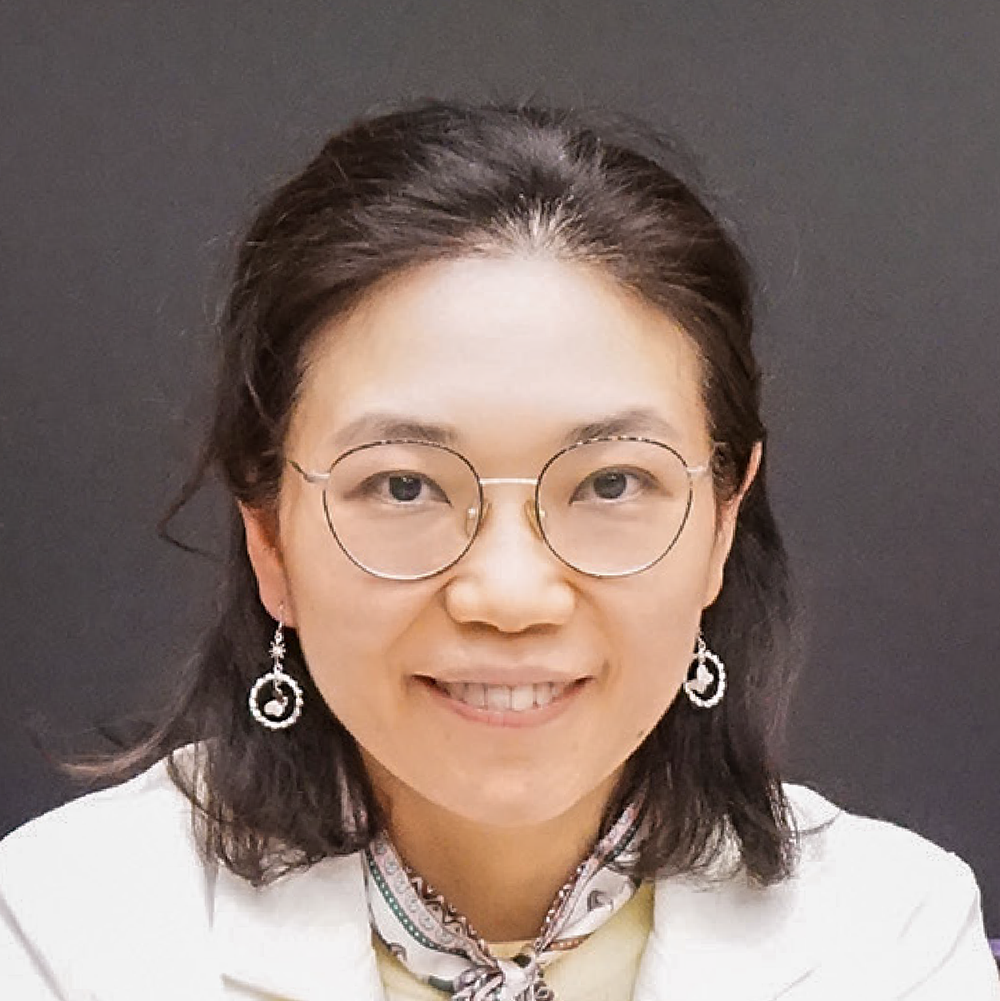
Dr. Jessica To is a Lecturer at TALIC, The University of Hong Kong, and also the founder of the HKU GenAI Community of Practice. Her work focuses on helping educators design meaningful learning, assessment, and feedback experiences in a rapidly evolving AI landscape. She has led educational development and research projects across Hong Kong and Singapore, including a current Teaching Development Grant project exploring the role of GenAI in student-teacher feedback co-creation.
Her expertise lies in higher education pedagogy, assessment for learning, and the pedagogical use of GenAI. Combining scholarly research with practical experience in supporting faculty development, she works closely with educators to rethink assessment and feedback practices for the future of learning. Her research has been published in leading journals such as Assessment & Evaluation in Higher Education, Higher Education Research & Development, and Teaching & Teacher Education.
References
- Chiu, T. K. (2026). Human-Centric Artificial Intelligence Pedagogy (HCAP) framework developed from TPACK through integration of artificial intelligence literacy and competency. Interactive Learning Environments, 1-16. [Link]
- Mishra, P., & Koehler, M. J. (2006). Technological pedagogical content knowledge: A framework for teacher knowledge. Teachers College Record, 108(6), 1017-1054. [Link]
- Perkins, M., Roe, J., & Furze, L. (2025). Reimagining the Artificial Intelligence Assessment Scale (AIAS): A refined framework for educational assessment. Journal of University Teaching and Learning Practice, 22(7), 1-26. [Link]
[29 Sep 2026] Session 2 : Assessment Design Clinic: Exploring Challenges and Possibilities
Date : 29 Sep 2026 (Tue)
Time : 1:00pm – 2:00pm
Venue : Learning Lab (RRS 321 Run Run Shaw Building, Main Campus, HKU)
Consultants :
- Dr. Jessica To, Lecturer, TALIC, HKU
- Mr. Donn Gonda, Lecturer, TALIC, HKU
Abstract
About the Facilitators
Dr. Jessica To is a Lecturer at TALIC, The University of Hong Kong, and also the founder of the HKU GenAI Community of Practice. Her work focuses on helping educators design meaningful learning, assessment, and feedback experiences in a rapidly evolving AI landscape. She has led educational development and research projects across Hong Kong and Singapore, including a current Teaching Development Grant project exploring the role of GenAI in student-teacher feedback co-creation.
Her expertise lies in higher education pedagogy, assessment for learning, and the pedagogical use of GenAI. Combining scholarly research with practical experience in supporting faculty development, she works closely with educators to rethink assessment and feedback practices for the future of learning. Her research has been published in leading journals such as Assessment & Evaluation in Higher Education, Higher Education Research & Development, and Teaching & Teacher Education.
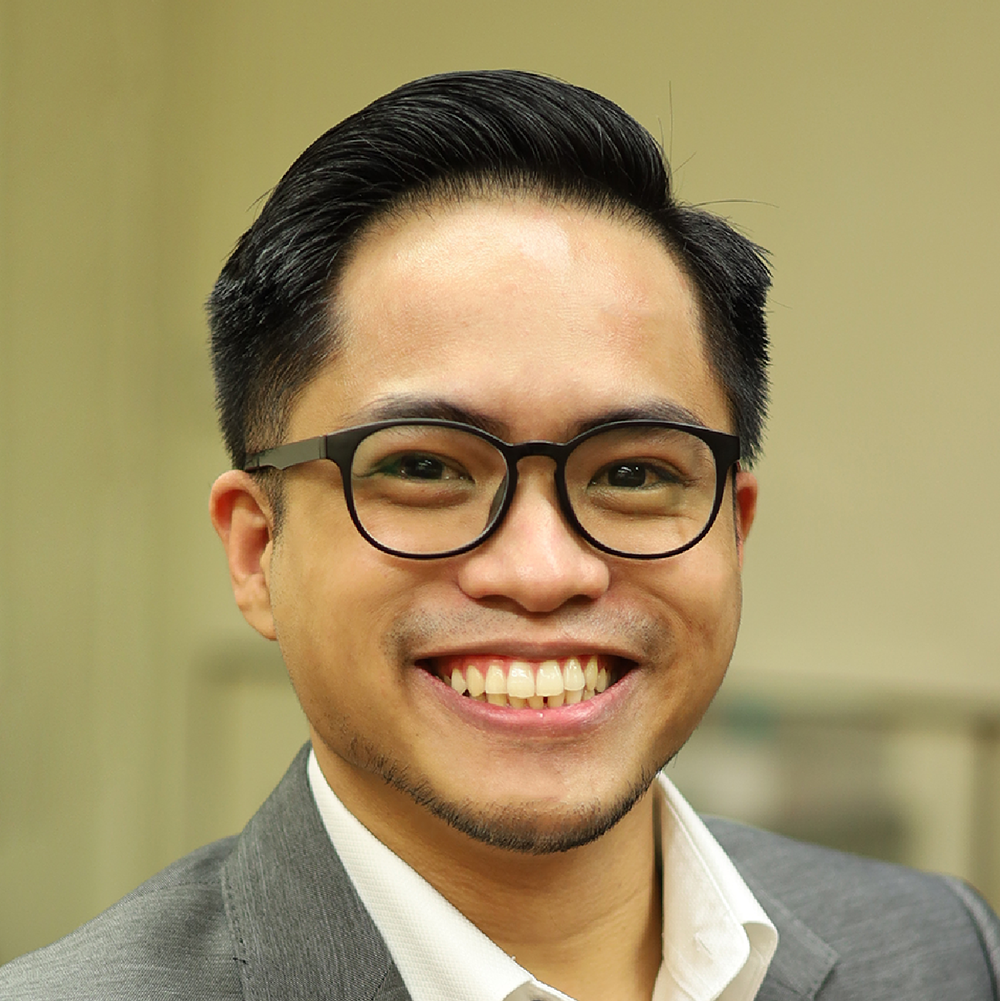
Mr. Donn Gonda is a Lecturer at TALIC, The University of Hong Kong. He is an educator and a learning designer with over a decade of experience from higher education to corporate training. He specialises in designing innovative learning experiences, leveraging emerging technologies, and applying research to evaluate and enhance professional development programs.
Passionate about integrating technology into teaching to improve learner engagement, he has facilitated numerous workshops and seminars on learning design, e-learning strategies, and the future of professional development. His work centres on reimagining how learning can be both purposeful and enjoyable — curating cutting-edge tools and approaches that make education not only practical but inspiring.
[6 Oct 2026] Session 3 : Evolving Assessment Practices in Mathematics: What Works, What Doesn't, and What's Next
Date : 6 Oct 2026 (Tue)
Time : 1:00pm – 1:45pm
Venue : Learning Lab (RRS 321 Run Run Shaw Building, Main Campus, HKU)
Speaker : Prof. Ka Ho Law, Associate Head (Teaching & Learning) and Senior Lecturer (Associate Professor of Teaching), Department of Mathematics, Faculty of Science, HKU
Abstract
Assessment in undergraduate mathematics courses has followed a fairly standard pattern in most parts of the world during most of the time in history: a written final examination supplemented by coursework, typically homework assignments and class tests. During his time as an undergraduate student, the speaker felt that such modes of assessments may not be fully effective in terms of maximising students’ potential for learning. When beginning his teaching career in the pre-AI-era, the speaker tried to introduce measures that could drive students to understand concepts over rote memorisation and mechanical drills, such as open-book examinations and the inclusion of non-standard question types.
The advent of generative AI has arguably left traditional assessments more vulnerable than ever. In this session, the speaker will trace his earlier efforts to reform assessment in mathematics courses, present more recent practices such as oral assessments, reflect candidly on what has and has not worked, and look ahead to possible future developments and challenges.
About the Speaker
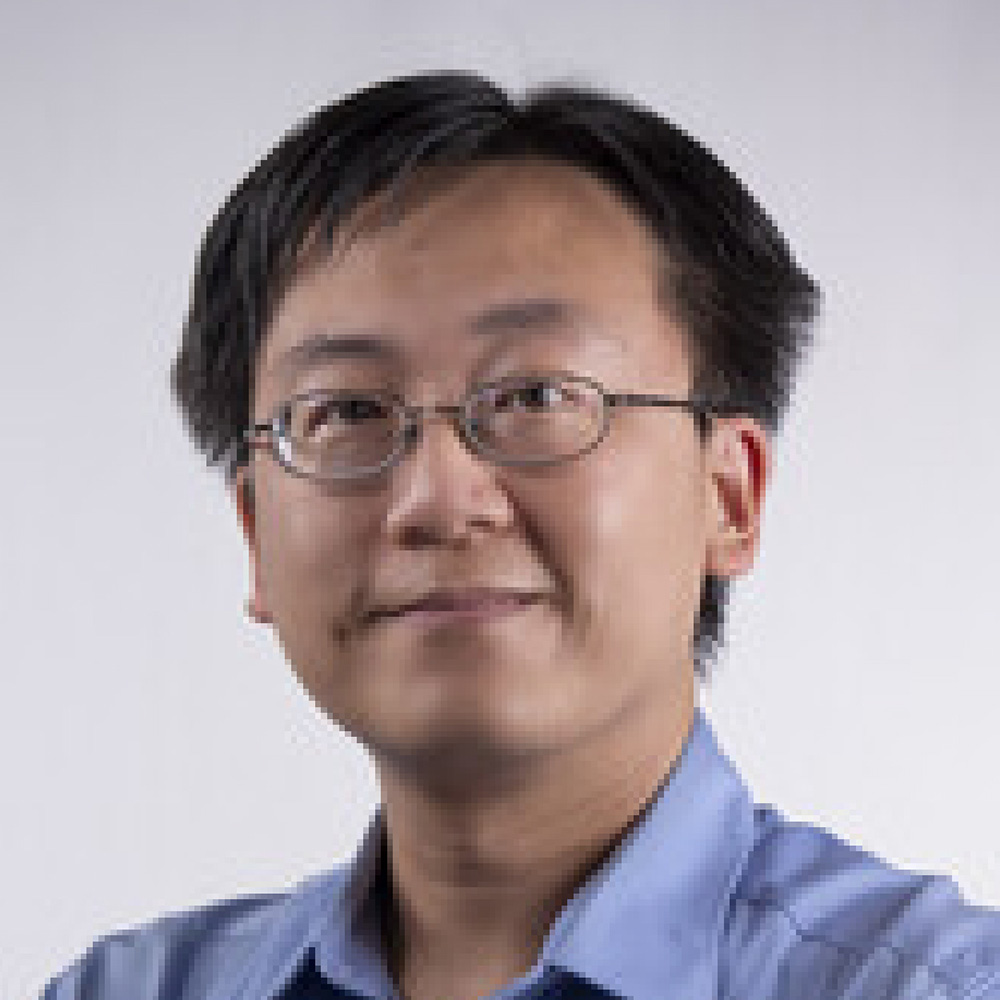
Prof. Ka Ho Law is the Associate Head (Teaching and Learning) and a Senior Lecturer (Associate Professor of Teaching) in the Department of Mathematics, Faculty of Science, The University of Hong Kong. As a Senior Fellow of Advance HE, he has been widely recognised for his contributions to teaching and learning innovation, including receiving the Award for Teaching Excellence 2021-22 from the Faculty of Science, as well as the HKU Outstanding Teaching Award 2024.
Prof. Law has led several teaching development projects which aim at enhancing student learning in mathematics, including initiatives on professional writing in mathematics, automated exercise generation, flipped classroom design, and the production of animated lecture videos to support the learning of abstract mathematical concepts. He is also particularly concerned about how the design of assessment formats might promote the understanding of mathematical concepts.
[5 Nov 2026] Session 4 : Consistency-Weighted Writing: A Pro-AI Approach to University Writing Assessment
Date : 5 Nov 2026 (Thu)
Time : 1:00pm – 2:00pm
Online : Zoom
Speaker : Prof. Patrick Adler, Assistant Professor, Department of Geography, Faculty of Social Sciences, HKU
Abstract
This presentation introduces a pro-AI framework for university writing assignments that rewards responsible AI use and the ability to maintain fluency across contexts. Entitled consistency-weighted writing, it promotes the use of AI as a copilot in traditional writing assignments and rewards students for being able to express their ideas in spontaneous written and oral contexts. The approach was developed for large lectures in HKU’s Common Core Curriculum and the Faculty of Social Sciences, which have traditionally relied on take-home writing assessments and have struggled to ensure that these remain authored by students as LLMs have proliferated. In this approach, students complete similar communication exercises across multiple contexts: written take-home, written in class, recorded video, and in-class debate. Students who demonstrate consistency in quality across contexts are graded more on their higher scoring assignments, while those who do not are graded more on their lowest scoring ones. The approach is designed to encourage AI-assisted writing as practice for live communication, allowing students to benefit from it as a tutor without being able to avoid independent communication altogether.
The session will begin with a few remarks from the perspective of a teacher who uses AI in their own work and has struggled to promote responsible AI use. It continues with examples from HKU classes and closes with advice for how to adopt this approach in other academic settings.
About the Speakers
Ms. Miffy LEUNG
Teaching and Learning Innovation Centre- 3917 8182
- miffylhy@hku.hk