Teaching & Learning Exploration Week 2026



Date : 4 Nov 2026 (Wed)
Time : 1:00pm – 2:00pm
Online : Zoom
Speaker : Dr. Enoch Chan, Lecturer, Bau Institute of Medical and Health Sciences Education and the School of Biomedical Sciences, Li Ka Shing Faculty of Medicine, HKU
Facilitator : Prof. Luke Fryer, Assistant Director, TALIC, HKU
Student feedback is widely recognised as an important mechanism for enhancing teaching and learning. However, many changes arising from student feedback are implemented only for future cohorts, limiting opportunities for current students to experience the impact of their contributions. During a Teaching Exchange Fellowship visit to the University of New South Wales (UNSW), Dr. Enoch Chan explored the UNSW Student Ambassador Programme and its approach to student partnership in educational enhancement.
In this seminar, Dr. Chan will share insights into how student voice can be translated into timely, visible, and meaningful improvements to the learning experience. Drawing on examples from UNSW, he will discuss strategies for engaging students as partners, establishing responsive feedback mechanisms, and fostering a culture in which students can see tangible outcomes from their feedback while they are still taking a course.
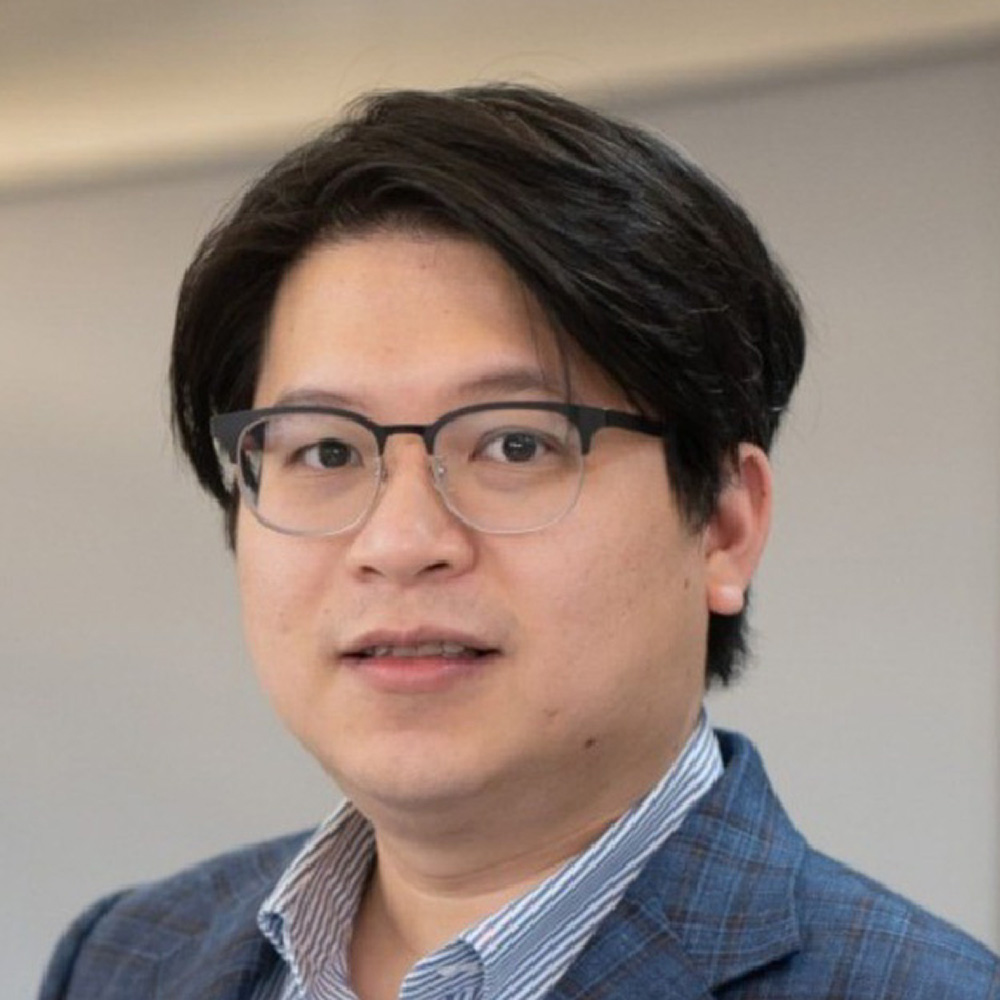

Date : 29 Oct 2026 (Thu)
Time : 12:30pm – 1:30pm
Venue : Learning Lab (RRS 321, 3/F, Run Run Shaw Building, Main Campus, HKU)
Speaker : Prof. Waruna Dissanayaka, Assistant Professor, Applied Oral Sciences and Community Dental Care, Faculty of Dentistry, HKU
Facilitator : Prof. Luke Fryer, Assistant Director, TALIC, HKU
Modern standards in dental education demand cultivating “safe dental practitioners” who are equally equipped with personal regulation, soft skills, and lifelong learning habits. This seminar presents key pedagogical insights gained in the areas of lifelong learning, personal development, and reflective practice from a Teaching Exchange Fellowship at the Faculty of Dentistry, Oral & Craniofacial Sciences (FoDOCS) at King’s College London (KCL), United Kingdom.
Participants will be introduced to the cross-disciplinary “SHELL & Professionalism” module used at KCL FoDOCS, a model designed to support the students’ transition to university and clinical learning, nurturing the early stages of student personal development and their professional identity formation, alongside a discussion of how students actively apply these self-regulation frameworks in preclinical simulation labs (FoCP Module) and in evidence-based dentistry tracks (EBDR Module). The session will also highlight how KCL FoDOCS enforces student engagement and curriculum oversight through comprehensive module handbooks featuring learning outcome mapping, paired with a critical reflective portfolio. Finally, the seminar will outline how KCL FoDOCS’s Feedback Reflection Dashboard (FRD) turns qualitative faculty critiques into trackable learning histories, and how these good practices are being adapted to build reflective practice within an ongoing teaching development project on undergraduate student enrichment at HKU-Dentistry.

Prof. Waruna Dissanayaka is an Assistant Professor in Oral Biosciences and Assistant Dean (Electives & Experiential Learning) at the Faculty of Dentistry, The University of Hong Kong.
In addition to his research and innovation in regenerative dentistry, he is active in dental education. Prof. Dissanayaka leads the International Capstone Experience and the pre-clinical experiential learning component for undergraduate dental students. His commitment to mentorship and teaching innovation excellence was recognized with the HKU-Dentistry Outstanding Teacher Award 2025.

Date : 22 Oct (Thu), 11 Nov (Wed) & 10 Dec (Thu) 2026
Time : Varies
Venue : Varies
Date : 22 October 2026 (Thu)
Time : 12:45pm – 1:45pm
Venue : Learning Lab (RRS 321, 3/F, Run Run Shaw Building, Main Campus, HKU)
Speaker : Prof. Cecilia Chan, Professor, TALIC, HKU
Date : 11 Nov 2026 (Wed)
Time : 5:00pm
Online : Zoom
Speaker : Prof. Cecilia Chan, Professor, TALIC, HKU
Date : 10 Dec 2026 (Thu)
Time : TBC
Venue : Learning Lab (RRS 321, 3/F, Run Run Shaw Building, Main Campus, HKU)
Speaker : TBC
Facilitator : Prof. Cecilia Chan, Professor, TALIC, HKU


Date : Oct – Dec 2026
Venue : Learning Lab (RRS321, 3/F, Run Run Shaw Building, Main Campus, HKU)
Please choose 1 Session:
| Date | Time | |
|---|---|---|
| Session 1 | 12 Oct 2026 (Mon) | 12:00pm – 1:30pm |
| Session 2 | 16 Oct 2026 (Fri) | 12:00pm – 1:30pm |
Venue : Learning Lab (RRS 321 Run Run Shaw Building, Main Campus, HKU)
Facilitator : Dr. Jessica To, Lecturer, TALIC, HKU
Date : 3 Sep 2026 (Thu)
Time : 12:30pm – 1:45pm
Venue : Learning Lab (RRS 321 Run Run Shaw Building, Main Campus, HKU)
Guest Speaker : Ms. Tanya Kempston, PGDE Programme Director and Principal Lecturer, Academic Unit of Language and Literacy Education, Faculty of Education, HKU
Facilitators :
Date : 18 Sep 2026 (Fri)
Time : 12:30pm – 2:00pm
Venue : Learning Lab (RRS 321 Run Run Shaw Building, Main Campus, HKU)
Facilitator : Dr. Lillian Luk, Lecturer, TALIC, HKU
Consultants :
For inquiries, please contact:
For inquiries, please contact:

Date : 8 Oct (Thu), 13 Nov (Fri) & 8 Dec (Tue) 2026
Time : 1:00pm – 1:30pm
Online : Zoom
Presenters :
Understanding the efforts and challenges teachers face when using AI and developing context-aware learning resources, we’ve prepared a collection of readily available AI-assisted teaching and learning activities and recipes for you to integrate and adapt to your own context and setting.
These activities have been co-created with and used by university faculty in real learning scenarios. They’re not proof-of-concept experiments; they are practical support tools already working in classrooms.
Each workshop focuses on one theme and introduces three recipes, including a live demonstration of a featured recipe and the activities. The participants will receive the recipes upon completion of the workshop and are encouraged to adapt, enhance or remix them for their teaching and learning needs.
Date : 8 Oct 2026 (Thu)
Time : 1:00pm – 1:30pm
Online : Zoom
Presenters :
Date : 13 Nov 2026 (Fri)
Time : 1:00pm – 1:30pm
Online : Zoom
Presenters :
The use of generative AI in universities is transitioning from a limited novelty to an essential utility. Institutions now regard AI literacy as a core competency. While human-AI collaboration is encouraged and practiced in academia, students must ensure the originality of their work, utilize reliable sources, and verify the accuracy of their work. Many first-year students often lack the skills to distinguish AI-generated misinformation from credible scholarship, unknowingly building their learning on unreliable foundations. While institutional responses focus predominantly on academic misconduct and detection, a critical gap remains: how do we equip students to critically verify and responsibly engage with AI-generated content?
This seminar addresses that gap by introducing practical strategies and customised AI tools to guide students in source verification and critical AI literacy. Participants will explore methods for in-class integration and out-of-class learning support. The session concludes with a facilitated open discussion where instructors can share challenges and collaboratively explore how to help students develop sustainable critical evaluation practices when engaging with AI.
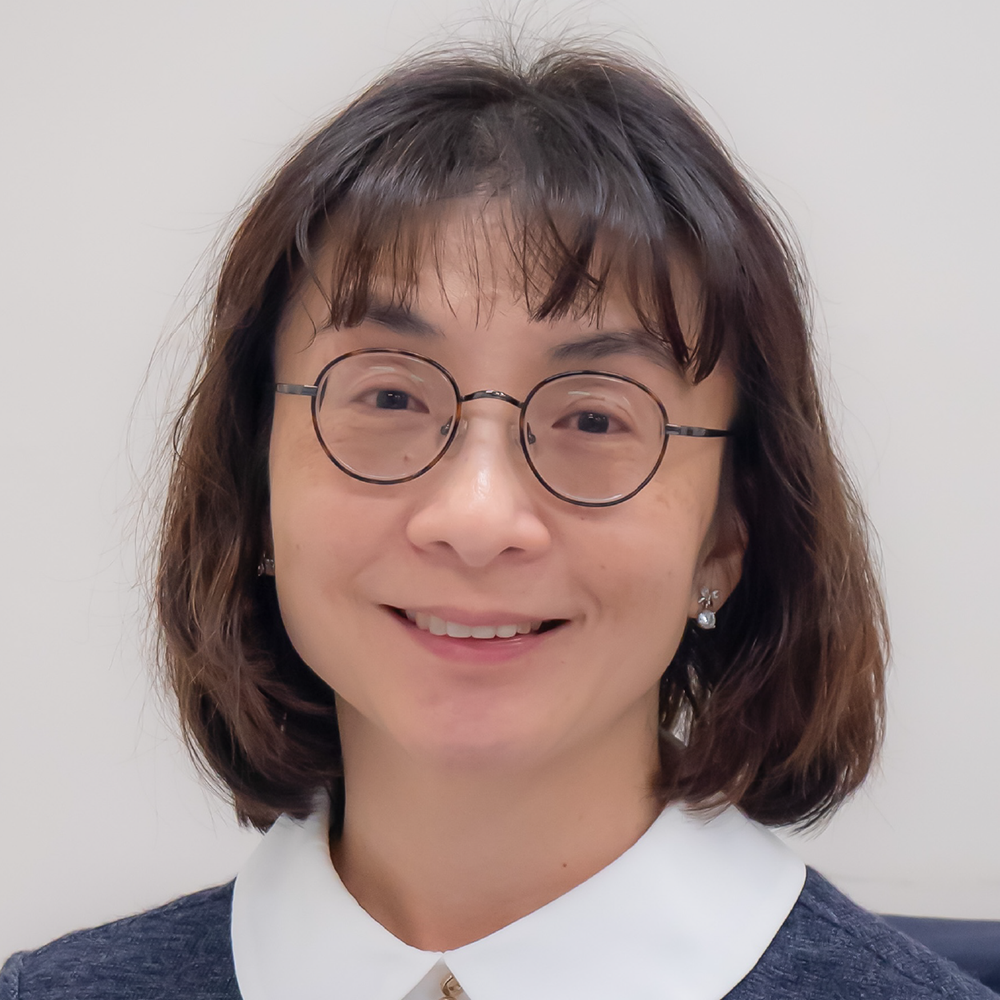
Ms. Ellen Seto is a Senior Instructional Designer at TALIC. She specializes in online course design and collaborates with the university’s faculties and teachers in developing online learning modules. A trailblazer at the university’s MOOCs project, she has played a pivotal role in supporting the creation of 50 global online courses and 20+ SPOCs for blended/flipped learning.
Date : 8 Dec 2026 (Tue)
Time : 1:00pm – 1:30pm
Online : Zoom
Presenters :
AIMPAC is a university-wide online hub that supports students’ development of AI-Powered Multimodal Presentations in the Academic Context (aimpac-caes.hku.hk). At its core is a curated collection of student presentation exemplars spanning diverse disciplines, genres, topics, and contexts. To promote active viewing, AIMPAC offers a range of learning features, including annotations, picture-in-picture (PiP), and interactive activities embedded in videos. Students can respond to videos using instant emoji reactions, generate word clouds, and contribute to comment boards. These features support students’ independent learning while fostering classroom interaction.
AIMPAC enables all HKU teachers across disciplines to create customised course pages to share course videos and presentation exemplars with students and to promote video-based learning using interactive features. Another highlight of AIMPAC is a series of diagram-generation chatbots that support brainstorming, draft planning, presentation storyboard development, and infographic creation.
In this seminar, participants will explore how to incorporate AIMPAC’s learning resources and diagram-generation chatbots into their courses to promote active learning, stimulate classroom discussion, and strengthen students’ AI literacy for academic communication.
Teaching and Learning Innovation Centre

Date : 7 Oct 2026 (Wed)
Time : 3:00pm – 4:30pm
Venue : Learning Lab (RRS 321, 3/F, Run Run Shaw Building, Main Campus, HKU)
Speaker : Prof. Zheng Zhang, Professor, School of Computing & Data Science,HKU; Founder and Chief Scientist, The HKU Shanghai Cross Innovation Lab
Please bring your laptop / notebook computer, a slide deck (with approximately 20 slides), an e-copy of reading, book chapter, or notes, and earphones to the workshop.
You could choose a deck on something you could teach to and share with a colleague outside your field - a seminar introduction, a talk you have given, a hiking trip and animations and all – not all needs to be kept but it will be nice that this is also a fun sharing. Some parents may build PPTs to share with other family members/friends a trip experience, or reading club members sharing their recent books.Teaching works when students ask. In a lecture hall few of them do: putting your hand up stops the room, and most students decide their question is not worth that. The AI-enabled platform “Ark Junior” takes the slides a teacher already has and turns them into a lecture a student can stop at any point to ask a question. Each answer is grounded to course material, and points back to the slide it came from. The Ark Junior does not replace a human-delivered lecture. It is meant as an extension: to lower students’ barrier to ask questions, and to give teachers a wider surface for working out backwards where students are struggling.
In this workshop, participants will first learn about how the Ark Junior operates, and will then leverage this platform to create their lecture and add questions to engage students. They will also play the role of a student to learn each other’s lesson and interact with their slides. The workshop will close with a short discussion of what they would do with the Ark Junior in a live class.
Prof. Zheng Zhang (ZZ) is the Founder and Chief Scientist of The HKU Shanghai Cross Innovation Lab (HKU SH X-Lab), a research institute in Shanghai affiliated with the School of Computing & Data Science at The University of Hong Kong.
He was a Senior Principal Scientist and the Founding Director of the Amazon Web Services Shanghai AI Lab. He was also a Global Network Professor of Computer Science at NYU Shanghai, with affiliated appointments at the Department of Computer Science at the Courant Institute of Mathematical Sciences and the NYU Center for Data Science at NYU’s New York campus. Previously, he founded the System Research Group and served as Principal Researcher and Research Area Manager at Microsoft Research Asia.
He holds a PhD from the University of Illinois at Urbana-Champaign, an MS from the University of Texas at Dallas, and a BS from Fudan University. Zhang was a founder and advisor of several deep learning platforms, including MXNet, MinPy, and most recently DGL, which brings deep learning to graph applications. In 2025, he released LLM4LLM, an open-source self-learning course exploring new AI-era education.
Teaching and Learning Innovation Centre

Date : 30 Sep (Wed), 21 Oct (Wed) & 28 Oct (Wed) 2026
Time : 12:30pm – 1:30pm
Venue : Learning Lab (RRS321, 3/F, Run Run Shaw Building, Main Campus, HKU)
Speaker : Dr. Carson Hung, Lecturer / E-learning Technologist, TALIC, HKU
Date : 30 Sep 2026 (Wed)
Time : 12:30pm – 1:30pm
Venue : Learning Lab (RRS 321 Run Run Shaw Building, Main Campus, HKU)
Speaker : Dr. Carson Hung, Lecturer / E-learning Technologist, TALIC, HKU
VCLLCBot is a chatbot TDLEG project initiated by the School of Chinese. The chatbot offers a range of customisable functions designed to support teaching and learning activities. It is currently integrated into Moodle, allowing teachers to create customised chatbot activities for students to use in class or as self-learning resources.
As a collaborator, TALIC provides support for a cloned version of the platform, tentatively named TALICChatbot, as a pilot initiative for faculties. This first workshop will offer hands-on training on the basic concepts and functions of the chatbot, including agent setup, Moodle integration, and practical usage scenarios. A brief introduction to advanced features will also be provided. More advanced hands-on training will be offered in subsequent workshops.
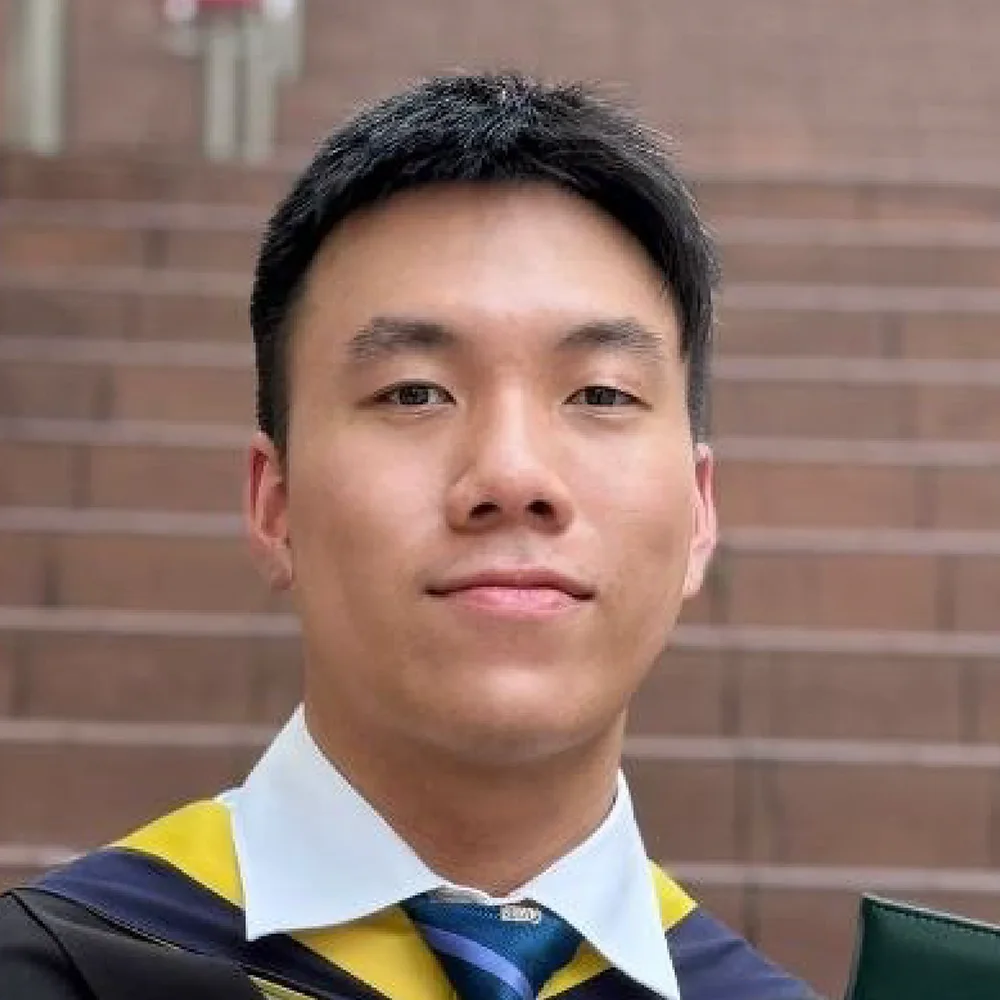
Date : 21 Oct 2026 (Wed)
Time : 12:30pm – 1:30pm
Venue : Learning Lab (RRS 321 Run Run Shaw Building, Main Campus, HKU)
Speaker : Dr. Carson Hung, Lecturer / E-learning Technologist, TALIC, HKU
A hands-on workshop on customising your AI agent in TALIC Chatbot. Build an FAQ-based agent for consistent answers and set up a team of specialist agents behind a single agent. You will also get a quick tour of source citations and the new Knowledge Graph features. New participants are welcome, and no attendance at Workshop 1 is required.
TALIC Chatbot platform (tentative): https://talicchatbot.talic.hku.hk
Date : 28 Oct 2026 (Wed)
Time : 12:30pm – 1:30pm
Venue : Learning Lab (RRS 321 Run Run Shaw Building, Main Campus, HKU)
Speaker : Dr. Carson Hung, Lecturer / E-learning Technologist, TALIC, HKU
Teaching and Learning Innovation Centre

Date : 28 Sep 2026 (Mon)
Time : 12:30pm – 2:00pm
Venue : Learning Lab (RRS 321, 3/F, Run Run Shaw Building, Main Campus, HKU)
Quota : 48
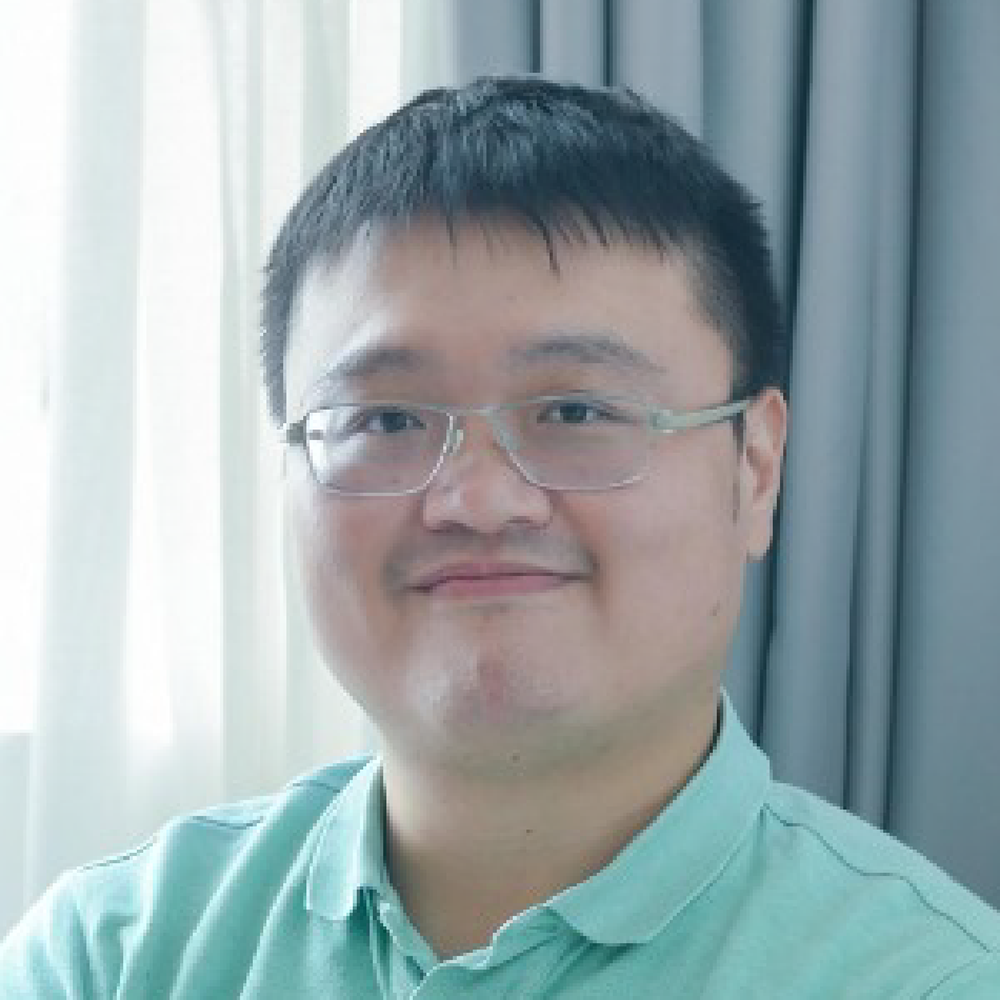
Speaker : Dr. Carson Hung, Lecturer / E-learning Technologist, TALIC, HKU
Content Designer : Ms. Ellen Seto, Senior Lecturer / Senior Instructional Designer, TALIC, HKU
Teaching and Learning Innovation Centre

Date : 24 Sep (Thu), 9 Oct (Fri), 26 Oct (Mon), 10 Nov (Tue), 25 Nov (Wed) & 14 Dec (Mon) 2026
Time : 1:00pm – 2:00pm
Online : Zoom
As Artificial Intelligence (AI) continues to reshape the landscape of higher education, meaningful collaboration between students and staff has become more essential than ever. The SSPxAI Seminar Series aims to explore the synergies between student-staff partnership and AI integration in teaching and learning. Through this seminar series, speakers (including staff and their student partners) will share their experiences of experimentation and explore how collaborative approaches can enrich teaching, learning, and the broader educational experience within an AI-enhanced environment. They will also reflect on the essential knowledge, tools, and collaborative mindsets needed to navigate this evolving landscape.
The series welcomes anyone interested in exploring innovative pedagogical approaches that harness the potential of AI while fostering meaningful human collaboration in the learning process. Across the sessions, participants will engage with diverse perspectives on integrating AI tools into curriculum design, assessment practices, outside-classroom activities, and more. These discussions will be explored through a partnership lens that values the voices and contributions of both students, staff in shaping AI-enhanced learning experiences.
Following each presentation and Q&A session, a virtual Co-Creation Cafe hosted in breakout rooms will provide an informal space for participants to seek advice, exchange ideas, and continue the conversation. Partnership Advocates of the Community of Practice for Student Partnership (CoP-SP) will be available for consultation and support.
| 1:00pm - 1:05pm | Introduction by facilitator |
| 1:05pm -1:30pm | Presentation |
| 1:30pm - 1:40pm | Q&A |
| 1:40pm - 1:55pm | Virtual Co-Creation Café |
| 1:55pm - 2:00pm | Wrap-up, evaluation and next session announcement |
Date : 24 Sep 2026 (Thu)
Time : 1:00pm – 2:00pm
Online : Zoom
Speakers :
The incorporation of AI into higher education has muddied assumptions about knowledge, expertise, and student–educator relationships. Its most underdiscussed consequence is affective: the vulnerability, self-doubt, and fear of failure that emerge when clear answers no longer exist. This session explores what becomes possible when uncertainty is approached as something students and staff navigate together. We examine how cultures of care and productive failure can reframe uncertainty, inspiring the development of our proposed Trio Model, which positions students, educators, and AI as partners in shared learning. Inspired by Cook-Sather’s (2025) notion of generative unknowingness, Brantmeier’s (2013) pedagogy of vulnerability, and Noddings’ (1988) ethic of caring, we reimagine uncertainty as possibility.


Date : 9 Oct 2026 (Fri)
Time : 1:00pm – 2:00pm
Online : Zoom
Speaker :
Dr. Dimple R. Thadani, Senior Lecturer, Department of Management, Marketing and Information Systems, HKBU
Student Partner : Ms. Naina Manoj Ramchandani, Year 2, Bachelor of Arts, Science and Technology in Individualised Major, HKBU


Date : 26 Oct 2026 (Mon)
Time : 1:00pm – 2:00pm
Online : Zoom
Speaker :
Prof. Lukas Liu, Assistant Professor, Faculty of Education, HKU
Student Partner(s): TBC
Date : 10 Nov 2026 (Tue)
Time : 1:00pm – 2:00pm
Online : Zoom
Speakers :
Program leaders
Students
ESG Podcast: From Classroom to Boardroom is a student-led ESG podcast supported by the HKU Climate Ambassador Program and funded by a Teaching Development Grant. Student partners from diverse faculties (Science, Arts, Engineering, Business, Medicine, and Social Science) take the lead as hosts, content researchers, scriptwriters, editors, and social media strategists while program leaders and coordinators provide academic oversight and industry connections.
AI tools are integrated across the production workflow—from AI-powered transcription and content summarisation to automated social media caption generation and distribution. This enhances efficiency while allowing students to focus on developing critical thinking, interviewing, and communicating professional knowledge to the general public. The podcast has produced seven episodes across ESG topics, including food waste (Part 1 & 2), ESG education in universities, ESG reporting and sustainable finance, green risk (Part 1 & 2), biodiversity finance, and sustainable governance, featuring academic and industry leaders. We will share practical insights, challenges, and evidence of student development from this ongoing project.
If you are interested in following our journey, please follow us on:
Instagram : https://www.instagram.com/hku_esgpodcast/
LinkedIn : https://www.linkedin.com/company/esg-podcastt




Date : 25 Nov 2026 (Wed)
Time : 1:00pm – 2:00pm
Online : Zoom
Speaker :
Dr. Chun Kit Sam Hau, Lecturer, Department of Chemistry, CUHK
Chemistry is far more than words and symbols in textbooks; it is deeply embedded in everyday life through the substances and reactions that shape our world. Yet many students perceive chemistry as intimidating and inaccessible. This challenge is particularly acute for learners navigating language barriers, such as those transitioning from non-English medium backgrounds into English medium academic environments. Adapting to new disciplinary knowledge and unfamiliar linguistic conventions can be time-consuming, frustrating, and demotivating, eroding confidence and engagement.
To address these challenges, this project proposes the development of gamified, flashcard-based e-learning materials powered by a Generative AI (GenAI) tutoring system. Grounded in a student partnership model, learners are positioned not merely as end users but as genuine co-creators throughout the project lifecycle. Their learning experiences and feedback shape the platform’s design, ensuring it is pedagogically sound and responsive to the learner community.
The platform will diagnose individual strengths and areas for development and provide targeted language scaffolding. By integrating adaptive practice with game-like elements, the tool aims to foster engagement, support diverse linguistic backgrounds, and promote self-regulated learning to improve conceptual understanding and outcomes in introductory chemistry and related science courses.

Date : 14 Dec 2026 (Mon)
Time : 1:00pm – 2:00pm
Online : Zoom
Speaker :
Prof. Lillian Luk, Assistant Professor, TALIC, HKU
Student Partner:
Ms. Ye Chen, TALIC, HKU
The idea for this study was sparked by a moment in my own teaching practice, when my students shared with me how their peers had become obsessed with running their written work through multiple AI detectors. Their stories were not casual anecdotes; they were expressions of genuine worry, describing classmates who repeatedly checked and re‑checked their assignments out of fear of being falsely accused of using AI. Such conversations prompted me to partner with my student to investigate more deeply how these anxieties shape students’ learning experiences in the AI era.
Generative AI (GenAI) is rapidly becoming embedded in university learning and campus life. However, institutional encouragement for students to “embrace AI” has outpaced the development of clear and consistent policies governing its use (McDonald et al., 2025). This ambiguity, where GenAI is promoted as a tool for productivity while certain uses may constitute academic misconduct, creates uncertainty that can heighten students’ anxiety about using AI. This study investigates how undergraduate students navigate AI-mediated learning environments, focusing on their experiences of AI-related anxiety.
Using survey items informed by Wang and Wang’s (2024) four-dimensional framework of AI anxiety, the study adopted a sequential mixed-methods design. Exploratory factor analysis (EFA) was conducted using survey data from 132 students, followed by confirmatory factor analysis (CFA) from an independent sample of 180 students. Follow-up semi-structured interviews were conducted to provide a deeper understanding of students’ experiences.
The EFA identified four factors: AI learning, AI detection, AI-related threats, and the impact of AI on learning. These factors explained 67.0% of the total variance. The CFA supported an acceptable fit for this four-factor model. Interview findings further showed that students’ AI-related anxiety stemmed not only from the technology itself, but also from uncertainty about institutional criteria and policies for AI use, as well as perceived variations in teachers’ attitudes toward AI.



The University of Hong Kong

Higher Education Research and Development Society of Australasia
Hong Kong Baptist University
The Chinese University of Hong Kong
The Hong Kong Polytechnic University

The Hong Kong University of Science and Technology

Beijing Normal-Hong Kong Baptist University
Lund University

National University of Singapore
Teaching and Learning Innovation Centre

Date : 24 Sep 2026 (Thu)
Time : 12:30pm – 1:30pm
Venue : Learning Lab (RRS 321, 3/F, Run Run Shaw Building, Main Campus, HKU)
Speaker : Prof. Shane Chalmers, Faculty of Law, HKU
Facilitator : Prof. Luke Fryer, Assistant Director, TALIC, HKU


Date : 22 Sep (Tue), 29 Sep (Tue), 6 Oct (Tue) & 5 Nov (Thu) 2026
Time : Varies
Venue : Learning Lab (RRS321, 3/F, Run Run Shaw Building, Main Campus, HKU)
Generative Artificial Intelligence (GenAI) is reshaping the landscape of higher education, challenging long-held assumptions about how student learning is demonstrated and assessed. As GenAI tools become increasingly capable of producing sophisticated written, visual, and multimodal outputs, reliance on detection technologies may be insufficient and unsustainable. Emerging discussions have increasingly focused on assessment redesign, encouraging educators to reconsider what they assess, how to make learning processes visible, and how to foster higher-order thinking, authentic application, critical judgement, and responsible AI use through assessment.
Drawing on contemporary assessment frameworks and faculty-led examples of assessment redesign, this series aims to develop educators’ knowledge, skills, and confidence in assessment redesign for a GenAI-enabled world. Participants will critically review their existing assessment tasks and explore practical strategies for designing assessments that make learning visible, support responsible AI use, and maintain academic integrity.
The series includes an interactive workshop introducing frameworks and principles for assessment redesign, a consultation session offering advice and feedback on participants’ assessment plans, and faculty sharing sessions showcasing assessment redesign journeys. Participants will have opportunities to reflect on their own assessment practices and learn from colleagues’ experiences of redesign and implementation.
By the end of this series, participants will be able to:
Date : 22 Sep 2026 (Tue)
Time : 1:00pm – 3:00pm
Venue : Learning Lab (RRS 321 Run Run Shaw Building, Main Campus, HKU)
Speaker : Dr. Jessica To, Lecturer, TALIC, HKU

Dr. Jessica To is a Lecturer at TALIC, The University of Hong Kong, and also the founder of the HKU GenAI Community of Practice. Her work focuses on helping educators design meaningful learning, assessment, and feedback experiences in a rapidly evolving AI landscape. She has led educational development and research projects across Hong Kong and Singapore, including a current Teaching Development Grant project exploring the role of GenAI in student-teacher feedback co-creation.
Her expertise lies in higher education pedagogy, assessment for learning, and the pedagogical use of GenAI. Combining scholarly research with practical experience in supporting faculty development, she works closely with educators to rethink assessment and feedback practices for the future of learning. Her research has been published in leading journals such as Assessment & Evaluation in Higher Education, Higher Education Research & Development, and Teaching & Teacher Education.
Date : 29 Sep 2026 (Tue)
Time : 1:00pm – 2:00pm
Venue : Learning Lab (RRS 321 Run Run Shaw Building, Main Campus, HKU)
Consultants :
Dr. Jessica To is a Lecturer at TALIC, The University of Hong Kong, and also the founder of the HKU GenAI Community of Practice. Her work focuses on helping educators design meaningful learning, assessment, and feedback experiences in a rapidly evolving AI landscape. She has led educational development and research projects across Hong Kong and Singapore, including a current Teaching Development Grant project exploring the role of GenAI in student-teacher feedback co-creation.
Her expertise lies in higher education pedagogy, assessment for learning, and the pedagogical use of GenAI. Combining scholarly research with practical experience in supporting faculty development, she works closely with educators to rethink assessment and feedback practices for the future of learning. Her research has been published in leading journals such as Assessment & Evaluation in Higher Education, Higher Education Research & Development, and Teaching & Teacher Education.
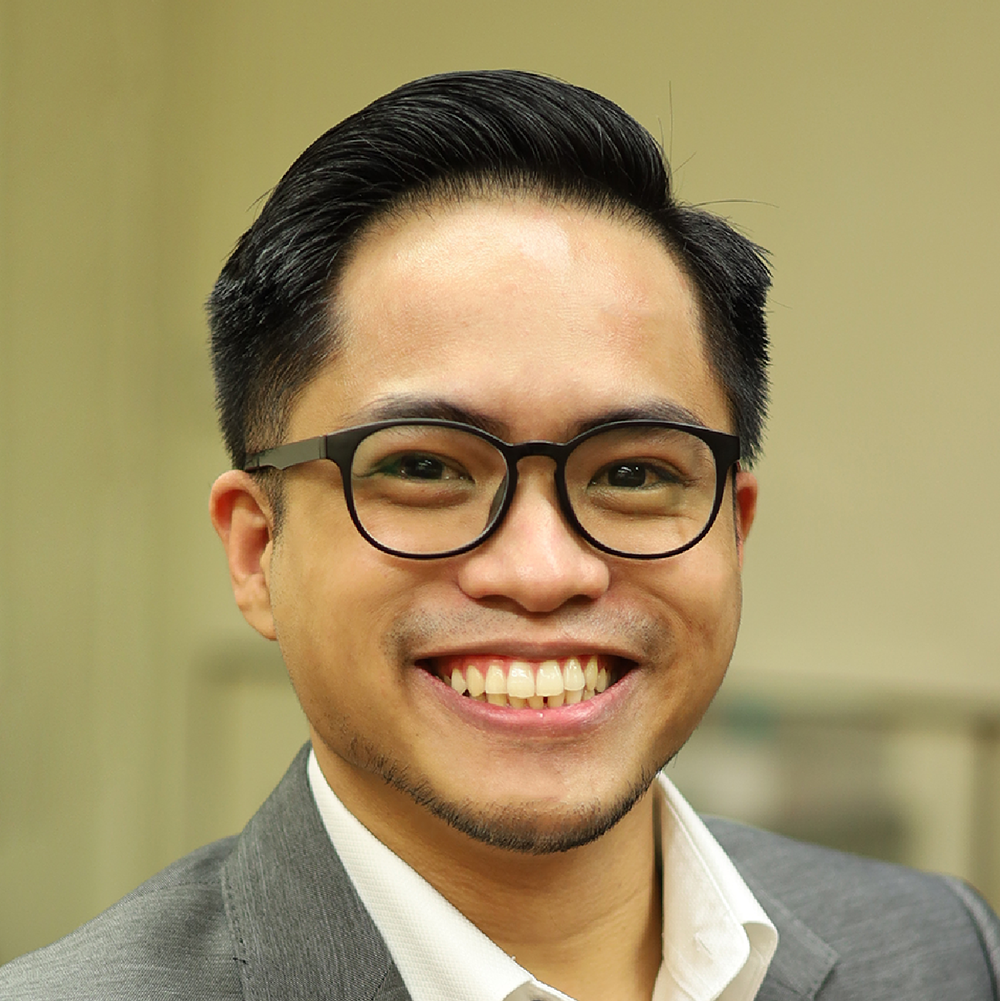
Mr. Donn Gonda is a Lecturer at TALIC, The University of Hong Kong. He is an educator and a learning designer with over a decade of experience from higher education to corporate training. He specialises in designing innovative learning experiences, leveraging emerging technologies, and applying research to evaluate and enhance professional development programs.
Passionate about integrating technology into teaching to improve learner engagement, he has facilitated numerous workshops and seminars on learning design, e-learning strategies, and the future of professional development. His work centres on reimagining how learning can be both purposeful and enjoyable — curating cutting-edge tools and approaches that make education not only practical but inspiring.
Date : 6 Oct 2026 (Tue)
Time : 1:00pm – 1:45pm
Venue : Learning Lab (RRS 321 Run Run Shaw Building, Main Campus, HKU)
Speaker : Prof. Ka Ho Law, Associate Head (Teaching & Learning) and Senior Lecturer (Associate Professor of Teaching), Department of Mathematics, Faculty of Science, HKU
Assessment in undergraduate mathematics courses has followed a fairly standard pattern in most parts of the world during most of the time in history: a written final examination supplemented by coursework, typically homework assignments and class tests. During his time as an undergraduate student, the speaker felt that such modes of assessments may not be fully effective in terms of maximising students’ potential for learning. When beginning his teaching career in the pre-AI-era, the speaker tried to introduce measures that could drive students to understand concepts over rote memorisation and mechanical drills, such as open-book examinations and the inclusion of non-standard question types.
The advent of generative AI has arguably left traditional assessments more vulnerable than ever. In this session, the speaker will trace his earlier efforts to reform assessment in mathematics courses, present more recent practices such as oral assessments, reflect candidly on what has and has not worked, and look ahead to possible future developments and challenges.
Prof. Ka Ho Law is the Associate Head (Teaching and Learning) and a Senior Lecturer (Associate Professor of Teaching) in the Department of Mathematics, Faculty of Science, The University of Hong Kong. As a Senior Fellow of Advance HE, he has been widely recognised for his contributions to teaching and learning innovation, including receiving the Award for Teaching Excellence 2021-22 from the Faculty of Science, as well as the HKU Outstanding Teaching Award 2024.
Prof. Law has led several teaching development projects which aim at enhancing student learning in mathematics, including initiatives on professional writing in mathematics, automated exercise generation, flipped classroom design, and the production of animated lecture videos to support the learning of abstract mathematical concepts. He is also particularly concerned about how the design of assessment formats might promote the understanding of mathematical concepts.
Date : 5 Nov 2026 (Thu)
Time : 1:00pm – 2:00pm
Online : Zoom
Speaker : Prof. Patrick Adler, Assistant Professor, Department of Geography, Faculty of Social Sciences, HKU
This presentation introduces a pro-AI framework for university writing assignments that rewards responsible AI use and the ability to maintain fluency across contexts. Entitled consistency-weighted writing, it promotes the use of AI as a copilot in traditional writing assignments and rewards students for being able to express their ideas in spontaneous written and oral contexts. The approach was developed for large lectures in HKU’s Common Core Curriculum and the Faculty of Social Sciences, which have traditionally relied on take-home writing assessments and have struggled to ensure that these remain authored by students as LLMs have proliferated. In this approach, students complete similar communication exercises across multiple contexts: written take-home, written in class, recorded video, and in-class debate. Students who demonstrate consistency in quality across contexts are graded more on their higher scoring assignments, while those who do not are graded more on their lowest scoring ones. The approach is designed to encourage AI-assisted writing as practice for live communication, allowing students to benefit from it as a tutor without being able to avoid independent communication altogether.
The session will begin with a few remarks from the perspective of a teacher who uses AI in their own work and has struggled to promote responsible AI use. It continues with examples from HKU classes and closes with advice for how to adopt this approach in other academic settings.


Date : 15 Sep 2026 (Tue)
Time : 1:00pm – 2:00pm
Venue : Learning Lab (RRS321, 3/F, Run Run Shaw Building, Main Campus, HKU)
Speaker : Prof. EeCheng Ong, Associate Professor (Education), Department of Economics, National University of Singapore
Facilitators :
There is a pervasive assumption that for learning to be rigorous, it must be serious, procedural, and conducted within the four walls of a lecture hall. But if play can awaken intrinsic motivation, lower barriers to learning, and cultivate relational safety (Forbes, 2021), why aren’t we using it more?
In this seminar, Professor EeCheng Ong will share how she designed and implemented a chatbot-guided scavenger hunt for a large core introductory economics course. A custom Telegram bot led hundreds of students in teams of 3–4 through the city to solve location-based economic puzzles. Participant surveys revealed salient shifts in student perceptions of learning, moving from serious to playful, from procedural to experimental, and from solo to collaborative.


Date : 2 Sep (Wed), 11 Sep (Fri) & 23 Sep (Wed) 2026
Time : Varies
Venue : Learning Lab (RRS321, 3/F, Run Run Shaw Building, Main Campus, HKU)
Date : 2 Sep 2026 (Wed)
Time : 12:30pm – 1:30pm
Venue : Learning Lab (RRS 321 Run Run Shaw Building, Main Campus, HKU)
Speakers :
Facilitator : Dr. Carson Hung, Lecturer / E-learning Technologist, TALIC, HKU

Dr. Connie Poon has over 25 years of experience working in tertiary institutions, possessing extensive expertise in curriculum development and programme coordination. Her research interests include Zuo Zhuan, Chinese philology, Ancient Chinese classics, Chinese for Professional Communication, AI in Chinese teaching and learning, Innovative Chinese Language Teaching and IT in Education.
Date : 11 Sep 2026 (Fri)
Time : 12:30pm – 1:30pm
Venue : Learning Lab (RRS 321 Run Run Shaw Building, Main Campus, HKU)
Speakers :
Facilitator : Dr. Carson Hung, Lecturer / E-learning Technologist, TALIC, HKU
The use of generative AI in universities is transitioning from a limited novelty to an essential utility. Institutions now regard AI literacy as a core competency. While human-AI collaboration is encouraged and practiced in academia, students must ensure the originality of their work, utilize reliable sources, and verify the accuracy of their work. Many first-year students often lack the skills to distinguish AI-generated misinformation from credible scholarship, unknowingly building their learning on unreliable foundations. While institutional responses focus predominantly on academic misconduct and detection, a critical gap remains: how do we equip students to critically verify and responsibly engage with AI-generated content?
This seminar addresses that gap by introducing practical strategies and customised AI tools to guide students in source verification and critical AI literacy. Participants will explore methods for in-class integration and out-of-class learning support. The session concludes with a facilitated open discussion where instructors can share challenges and collaboratively explore how to help students develop sustainable critical evaluation practices when engaging with AI.

Dr. Alice Yau is a Senior Fellow of Advance HE and coordinates a first-year academic English course. Her work focuses on English for Academic Purposes and technology-enhanced language learning, including digital tools, artificial intelligence, and virtual reality applications.
Ms. Ellen Seto is a Senior Instructional Designer at TALIC. She specializes in online course design and collaborates with the university’s faculties and teachers in developing online learning modules. A trailblazer at the university’s MOOCs project, she has played a pivotal role in supporting the creation of 50 global online courses and 20+ SPOCs for blended/flipped learning.
Date : 23 Sep 2026 (Wed)
Time : 1:00pm – 2:00pm
Venue : Learning Lab (RRS 321 Run Run Shaw Building, Main Campus, HKU)
Speakers :
Facilitator : Dr. Carson Hung, Lecturer / E-learning Technologist, TALIC, HKU
AIMPAC is a university-wide online hub that supports students’ development of AI-Powered Multimodal Presentations in the Academic Context (aimpac-caes.hku.hk). At its core is a curated collection of student presentation exemplars spanning diverse disciplines, genres, topics, and contexts. To promote active viewing, AIMPAC offers a range of learning features, including annotations, picture-in-picture (PiP), and interactive activities embedded in videos. Students can respond to videos using instant emoji reactions, generate word clouds, and contribute to comment boards. These features support students’ independent learning while fostering classroom interaction.
AIMPAC enables all HKU teachers across disciplines to create customised course pages to share course videos and presentation exemplars with students and to promote video-based learning using interactive features. Another highlight of AIMPAC is a series of diagram-generation chatbots that support brainstorming, draft planning, presentation storyboard development, and infographic creation.
In this seminar, participants will explore how to incorporate AIMPAC’s learning resources and diagram-generation chatbots into their courses to promote active learning, stimulate classroom discussion, and strengthen students’ AI literacy for academic communication.
Dr. Ken Lau is Associate Director of the Centre for Applied English Studies at the University of Hong Kong. His research interests include academic literacy, language education, and applied linguistics. He serves as Co-Principal Investigator of the AIMPAC project.

Dr. Vivian Kwan is a lecturer at CAES. She has led the development of AI and visual literacy components as part of the University’s first-year English language course. She is leading the AIMPAC project as co-principal investigator.
Dr. Alice Yau is a Senior Fellow of Advance HE and coordinates a first-year academic English course. Her work focuses on English for Academic Purposes and technology-enhanced language learning, including digital tools, artificial intelligence, and virtual reality applications.
Teaching and Learning Innovation Centre

Date : 9 Sep 2026 (Wed)
Time : 1:00pm – 2:00pm
Venue : Learning Lab (RRS 321, 3/F, Run Run Shaw Building, Main Campus, HKU)
Chairman : Prof. Olivia Leung, Associate Dean (Teaching and Learning), HKU Business School
Facilitator : Prof. Luke Fryer, Assistant Director, TALIC, HKU
Grants for overseas reciprocal visits through ‘Teaching Exchange Fellowship Scheme’
To encourage HKU staff to introduce new ideas and innovative teaching methods by engaging with teachers from overseas universities, HKU has established the “Teaching Exchange Fellowship Scheme”. Under this scheme, HKU will provide funding up to $50,000 for reciprocal staff visits and a teaching relief grant of up to $60,000 may also be awarded to successful applicant’s department.
A seminar will be organized, open to all teaching staff, to offer a comprehensive overview of this funding scheme. The seminar aims to provide information on key objective, funding amounts, eligibility and application process. Additionally, it will offer valuable advice on preparing a successful application and guide participants on planning exchange visits to enhance the scholarship of teaching at HKU, which is the aim of the scheme. The seminar will also showcase examples, on how this funding opportunity can be used by HKU teaching staff to share experience and to collaborate on teaching and curriculum development initiatives with overseas reputable universities through reciprocal visits.
We highly recommend that staff who are considering applying for the scheme to attend the seminar. It will be beneficial for staff who attended the last seminar but didn’t have sufficient time to establish overseas connections, as well as those who are planning ahead for next application cycle (having a Friday, October 9, 2026 closing date), would also find the seminar useful. If you are unsure whether the scheme align with your teaching innovations, or if you simply want to learn more about it, you are welcome to attend. For further information, please refer to the Circular on this scheme available at https://tl.hku.hk/staff/tefs/.
Teaching and Learning Innovation Centre (TALIC)
We firmly believe that the internet should be available and accessible to anyone, and are committed to providing a website that is accessible to the widest possible audience, regardless of circumstance and ability.
To fulfill this, we aim to adhere as strictly as possible to the World Wide Web Consortium’s (W3C) Web Content Accessibility Guidelines 2.1 (WCAG 2.1) at the AA level. These guidelines explain how to make web content accessible to people with a wide array of disabilities. Complying with those guidelines helps us ensure that the website is accessible to all people: blind people, people with motor impairments, visual impairment, cognitive disabilities, and more.
This website utilizes various technologies that are meant to make it as accessible as possible at all times. We utilize an accessibility interface that allows persons with specific disabilities to adjust the website’s UI (user interface) and design it to their personal needs.
Additionally, the website utilizes an AI-based application that runs in the background and optimizes its accessibility level constantly. This application remediates the website’s HTML, adapts Its functionality and behavior for screen-readers used by the blind users, and for keyboard functions used by individuals with motor impairments.
If you’ve found a malfunction or have ideas for improvement, we’ll be happy to hear from you. You can reach out to the website’s operators by using the following email
Our website implements the ARIA attributes (Accessible Rich Internet Applications) technique, alongside various different behavioral changes, to ensure blind users visiting with screen-readers are able to read, comprehend, and enjoy the website’s functions. As soon as a user with a screen-reader enters your site, they immediately receive a prompt to enter the Screen-Reader Profile so they can browse and operate your site effectively. Here’s how our website covers some of the most important screen-reader requirements, alongside console screenshots of code examples:
Screen-reader optimization: we run a background process that learns the website’s components from top to bottom, to ensure ongoing compliance even when updating the website. In this process, we provide screen-readers with meaningful data using the ARIA set of attributes. For example, we provide accurate form labels; descriptions for actionable icons (social media icons, search icons, cart icons, etc.); validation guidance for form inputs; element roles such as buttons, menus, modal dialogues (popups), and others. Additionally, the background process scans all the website’s images and provides an accurate and meaningful image-object-recognition-based description as an ALT (alternate text) tag for images that are not described. It will also extract texts that are embedded within the image, using an OCR (optical character recognition) technology. To turn on screen-reader adjustments at any time, users need only to press the Alt+1 keyboard combination. Screen-reader users also get automatic announcements to turn the Screen-reader mode on as soon as they enter the website.
These adjustments are compatible with all popular screen readers, including JAWS and NVDA.
Keyboard navigation optimization: The background process also adjusts the website’s HTML, and adds various behaviors using JavaScript code to make the website operable by the keyboard. This includes the ability to navigate the website using the Tab and Shift+Tab keys, operate dropdowns with the arrow keys, close them with Esc, trigger buttons and links using the Enter key, navigate between radio and checkbox elements using the arrow keys, and fill them in with the Spacebar or Enter key.Additionally, keyboard users will find quick-navigation and content-skip menus, available at any time by clicking Alt+1, or as the first elements of the site while navigating with the keyboard. The background process also handles triggered popups by moving the keyboard focus towards them as soon as they appear, and not allow the focus drift outside it.
Users can also use shortcuts such as “M” (menus), “H” (headings), “F” (forms), “B” (buttons), and “G” (graphics) to jump to specific elements.
We aim to support the widest array of browsers and assistive technologies as possible, so our users can choose the best fitting tools for them, with as few limitations as possible. Therefore, we have worked very hard to be able to support all major systems that comprise over 95% of the user market share including Google Chrome, Mozilla Firefox, Apple Safari, Opera and Microsoft Edge, JAWS and NVDA (screen readers).
Despite our very best efforts to allow anybody to adjust the website to their needs. There may still be pages or sections that are not fully accessible, are in the process of becoming accessible, or are lacking an adequate technological solution to make them accessible. Still, we are continually improving our accessibility, adding, updating and improving its options and features, and developing and adopting new technologies. All this is meant to reach the optimal level of accessibility, following technological advancements. For any assistance, please reach out to