
Teaching Portfolio Workshop Series

Event Details

Date : 17 Jun 2026 (Wed), 3 Sep 2026 (Thu) & more

Venue : Learning Lab (RRS321, 3/F, Run Run Shaw Building, Main Campus, HKU)

Abstract

Three teaching portfolio workshops will be offered. The workshops are open to all teaching staff who are interested in finding out more about compiling teaching portfolios, which are often required for promotion, tenure application, and job applications. How to compile a portfolio for applying for the University’s Teaching Excellence Award (TEA) will be covered in the second workshop scheduled in September. In addition, a sharing session featuring three TEA winners will also be held in September. You can choose to attend the workshop(s) depending on your needs. For instance, it is not necessary to attend Workshop 1 before Workshop 2.

Date : 17 Jun 2026 (Wed)

Time : 12:30pm – 2:00pm (HKT)

Venue : Learning Lab (RRS 321 Run Run Shaw Building, Main Campus, HKU)

Facilitator : Dr. Jannie Roed, Director, TALIC, HKU

Abstract

All academics have a curriculum vitae (CV), but few have a teaching portfolio. This workshop focuses on how to structure a teaching portfolio, what to include (e.g., reflections on professional development and leadership initiatives you have undertaken), and how to collect evidence of teaching effectiveness.

Date : 3 Sep 2026 (Thu)

Time : 12:30pm – 1:45pm

Venue : Learning Lab (RRS 321 Run Run Shaw Building, Main Campus, HKU) (TBC)

Guest Speaker : Ms. Tanya Kempston, PGDE Programme Director and Principal Lecturer, Academic Unit of Language and Literacy Education, Faculty of Education, HKU

Facilitators :

  • Dr. Jannie Roed, Director, TALIC, HKU
  • Prof. Lillian Luk, Assistant Professor, TALIC, HKU
  • Dr. Carson Hung, Lecturer / E-learning Technologist, TALIC, HKU

Abstract

The part of the workshop focuses on the specific teaching portfolio needed to apply for one of the University’s teaching excellence awards. You will be guided through the criteria and advised on how to present your case in the most effective manner. The second part of the workshop will feature a guest speaker who will share her experience in applying the TEA and discuss the next steps for unsuccessful candidates. Participants will also be introduced to the new online submission system.

About the Guest Speaker

Ms. Tanya Kempston is a Principal Lecturer in the Faculty of Education and Programme Director of the Postgraduate Diploma in Education (PGDE) programme in her Faculty. She has been teaching at HKU since 2008 and was awarded the University Teaching Innovation Award in 2021 and University Outstanding Teaching Award in 2018.

Date : (TBC)

Time : (TBC)

Venue : Learning Lab (RRS 321 Run Run Shaw Building, Main Campus, HKU)

Facilitator : Prof. Lillian Luk, Assistant Professor, TALIC, HKU

Consultants : (TBC)

Abstract

In this sharing session, three Teaching Excellence Award (TEA) winners will share with us their experience of applying for the award. After the sharing session, they will be available for small-group consultations. To help us distribute participants evenly, please indicate your preferred consultant in the registration form. We will do our best to accommodate to your preference.

About the Guest Speaker

Ms. Tanya Kempston is a Senior Lecturer in the Faculty of Education and Programme Director of the Postgraduate Diploma in Education (PGDE) programme in her Faculty. She has been teaching at HKU since 2008 and was awarded the University Teaching Innovation Award in 2021 and University Outstanding Teaching Award in 2018.
For information, please contact:

Ms. Miffy Leung

Teaching and Learning Innovation Centre

Designing Departmental or Faculty-Based Teaching and Learning Programmes for PhD Students

Event Details

Please choose 1 Session:
Date Time
Session 1 11 Jun 2026 (Thu) 12:30pm – 2:00pm
Session 2 2 Jul 2026 (Thu) 12:30pm – 2:00pm

Venue : Learning Lab (RRS 321, 3/F, Run Run Shaw Building, Main Campus, HKU)
Facilitators :
  • Dr. Alex Shum, Senior Lecturer, TALIC, HKU
  • Dr. Jannie Roed, Director, TALIC, HKU

Abstract

This seminar aims at guiding staff members from across the university in designing a teaching programme for their PhD students. We have scheduled two sessions. Please choose one session to attend, as the content will be the same for all sessions.

All faculties/departments must have a programme in place by September 2027 at the latest. The seminar will provide an opportunity for colleagues to:

  • Discuss the content of a programme in teaching and learning in higher education
  • Understand the support structures needed for an effective programme
  • Explore different programme designs
For information, please contact:

Ms. Canice MOK

Teaching and Learning Innovation Centre

Online Learning to Elevate Campus Events with Safety Mastery

To support student societies in organizing safe, responsible, and respectful student-led activities, CEDARS-LEAF collaborates with TALIC to launch a new online learning course, SAFE2601 Health, Safety, and Conduct for Student-Led Activities Organizers. The course will equip student leaders and committee members of student-led activities in approximately 140 registered student organizations, including faculty and academic societies, residential halls and colleges students’ associations, cultural and sports clubs, with practical knowledge for planning and running campus activities with a strong foundation in legal compliance, risk awareness, and duty of care for a holistic leadership.

How to help student leaders navigate health and safety hazards?

The new course, SAFE2601 Health, Safety, and Conduct for Student-Led Activities Organizers, utilizes a student-centered design to provide training focused on two core areas: (1) recognizing common health and safety hazards and (2) highlighting student conduct, rights, and legal compliance, all aimed at fostering a comprehensive understanding of student leadership.

A major component of the course addresses the practical health and safety risks that commonly arise in student-led activities. These are not abstract concerns, but real issues that organisers may face when planning camps, orientation programmes, outdoor challenges, catering arrangements, or venue-based events. 

The course focuses on common health and safety hazards that student organisers may encounter in camps, orientation activities, and other student-led events. It covers safety in public spaces such as beaches and country parks, including rules on fire use, cooking, and environmental protection, as well as the proper handling of dangerous goods. It also addresses venue and event safety, highlighting common electrical hazards, fire prevention, and the importance of keeping emergency exits clear.

In addition, the course introduces essential food safety principles and raises awareness of serious health risks such as heat stroke and rhabdomyolysis during outdoor activities. It also emphasises the role of health declarations, waivers, and first aid provision in effective risk management and emergency preparedness. Together, these topics help student leaders recognise foreseeable hazards and take practical steps to reduce risks before incidents occur.

How to promote holistic student leadership upholding rights and responsibilities?

Beyond physical safety, the course highlights student conduct, rights, and legal compliance. It helps organisers understand their responsibilities in relation to drugs, smoking, dangerous goods, public order, and university conduct requirements. Students are reminded that activities should be conducted lawfully, responsibly, and with respect for the safety and wellbeing of all participants.

The course further addresses the importance of protecting participants’ rights, including privacy, equal treatment, and respectful conduct. It also introduces key considerations in data protection and data privacy, particularly when handling personal information, medical declarations, photographs, or participant records. Through these topics, the course promotes a holistic understanding of student leadership grounded in safety, responsibility, and respect.

How does student-centered online learning design support the learning experience?

1. Flexible learning for timely preparation

The flexible modular online format of SAFE2601 on HKU Online Learning makes the course especially suitable for student leaders preparing activities during busy periods of the academic year and summer months. Many organisers need to balance internships, exchange programmes, society duties, and personal commitments while preparing for large-scale activities. A flexible online course allows them to learn at their own pace, revisit key content when needed, and complete essential training anytime and anywhere.

2. Multiple levels of support for safe and responsible leadership

The course is expected to bring benefits at multiple levels.

For student leaders and participants, it helps foster safer and better-organised activities by improving awareness of legal obligations, operational risks, and emergency preparedness. Student leaders can build confidence in making responsible decisions, while participants benefit from a safer and more supportive activity environment. 

For personal growth, the course encourages responsibility, ethical awareness, and sound judgement. It helps students strengthen transferable skills in planning, risk assessment, communication, and care for others—qualities that are valuable not only in university life, but also in future professional and community settings.

For student societies and the wider university community, the course supports a stronger culture of compliance, safety, and accountability. Better-prepared organisers can help reduce preventable incidents, improve activity standards, and contribute to a more positive and supportive campus environment.

3. Authentic use cases and multimodal design

The development of the course content was led by CEDARS-LEAF Student Leadership Development Programme, based on real case studies and operational concerns commonly encountered in student-led activities. The course draws together guidance on legal compliance, environmental safety, emergency preparedness, and health protection into one coherent learning experience for organisers. This approach helps students connect policy and principles with realistic situations they may encounter in organising student-led activities.

The course adopts a student-centred approach and multimodal design. TALIC instructional designers work with content contributors to curate important training content into flexible online modules that include visuals, interactive activities, scenario-based learning, quizzes, and assessments using innovative edTech tools and AI-assisted coding. This design engages learners in interactive, scenario-based learning that reflects the responsibilities they may face as organizers, and helps them in day-to-day decision-making when such situations arise in student activities.

How does our online program help to foster future leadership?

At CEDARS LEAF, online student-centered learning plays an important role in enriching students’ experience beyond the classroom. The launch of SAFE2601 Health, Safety and Conduct for Student-led Activities Organisers reflects a shared commitment by CEDARS and TALIC to preparing students not only for successful event organisation, but also for thoughtful leadership grounded in safety, respect, and responsibility.

By focusing on both common health and safety hazards and student conduct, rights, and legal compliance, the course empowers student leaders to organise activities with greater confidence and care, while contributing positively to a safer and more inclusive university environment.

For Course Information:

CEDARS-LEAF Student Leadership Development Programme

For Course Design and EdTech Support: 

EdTech Consultation

Teaching Exchange Fellowship Scheme Seminar – Medical Education in the 2020s – Challenges, Lessons Learnt, and the Way Forward

Event Details

Date : 29 May 2026 (Fri)

Time : 1:00pm – 2:00pm

Venue : Learning Lab (RRS 321, 3/F, Run Run Shaw Building, Main Campus, HKU)

Speaker : Prof. Michael Co, Clinical Associate Professor, Department of Surgery, School of Clinical Medicine, Li Ka Shing Faculty of Medicine, HKU

Facilitator : Prof. Luke Fryer, Assistant Director, TALIC, HKU

Abstract

Hong Kong’s rapidly aging population and ongoing brain drain pose unprecedented challenges to our public health system. To ensure a sustainable pipeline of future medical professionals, the SAR Government has expanded medical school admissions. However, this growth has brought about significant hurdles, including limited physical space, staffing constraints, and a scarcity of suitable clinical cases for teaching purposes – all of which impact the quality of undergraduate medical education.

The COVID-19 pandemic further accelerated these challenges, temporarily restricting students’ access to hospital premises and shifting didactic sessions to remote platforms. Concurrently, artificial intelligence and tele-education technologies began to revolutionize medical training. Recognizing this shift, the HKUMed has proactively invested in innovative teaching models and techniques to enhance our students’ learning experiences.

In this talk, Prof. Michael Co will share recent developments in Hong Kong’s medical education landscape, highlighting his Faculty’s initiatives such as remote clinical skills training and virtual bedside teaching utilizing AI chatbots. These advancements exemplify how embracing technology can overcome current limitations and prepare our future healthcare professionals for a rapidly evolving landscape.

In addition, Prof. Co will share his Teaching Exchange fellowship to the National University of Singapore, explaining how this fellowship has allowed him and his team to expand their virtual bedside teaching model to the region.

About the Speaker

Prof. Michael Co is a general surgeon, he is also the Assistant Dean (Pedagogy and Assessment) at the LKS Faculty of Medicine, University of Hong Kong.

Apart from clinical innovation and research, Prof. Co is highly active in medical education. In 2021, he led the development of Hong Kong’s first generative artificial intelligence chatbot for clinical bedside teaching. He pioneered virtual bedside teaching methods and, in September 2022, co-hosted the world’s first cross-territorial virtual bedside teaching session with the National University of Singapore, where he is also an Honorary Visiting Fellow. His innovative teaching approaches have received wide coverage from local and international media including BBC World Service.

In recognition of his dedication to medical education, Prof. Co received the HKU Faculty Teaching Medal in 2021. He is also a member of the prestigious Academy of Master Surgeon Educators at the American College of Surgeons, becoming the second Academic from an Asian Institution to be inducted with such honour.

For information, please contact:

Ms. Canice MOK

Teaching and Learning Innovation Centre

Leadership Beyond Role Boundaries: Building a Leadership Profile for Senior Fellowship

Event Details

Date : 18 May 2026 (Mon)

Time : 2:30pm – 4:30pm

Venue : Learning Lab (RRS321, 3/F, Run Run Shaw Building, Main Campus, HKU)

Speakers :

  • Dr. Alice Yau, Lecturer, Centre for Applied English Studies, Faculty of Arts, HKU
  • Dr. Jian Yang, Principal Lecturer, School of Biomedical Sciences, Li Ka Shing Faculty of Medicine, HKU
  • Ms. Jody Chu, Senior Lecturer, Department of Pharmacology and Pharmacy, Li Ka Shing Faculty of Medicine, HKU
  • Dr. Ka Ho Law, Associate Head (Teaching & Learning) and Lecturer, Department of Mathematics, Faculty of Science, HKU

Facilitator : Prof. Lily Zeng, Assistant Professor, TALIC, HKU

Abstract

Some positions at universities may be seen as presenting inherent challenges for exercising leadership in teaching and learning. Early‑career roles are often perceived to offer limited formal authority for impact, while formal leadership positions such as programme leaders, may be concerned that much of their work is regarded simply as part of role expectations rather than recognised as educational leadership. This event seeks to reframe these assumptions through authentic examples from colleagues who have successfully built strong Senior Fellow profiles in such contexts. The session will explore how leadership can be enacted with or without formal authority, how leadership practices can be evidenced as intentional and impactful, and how these experiences can be shaped into a coherent narrative aligned with Advance HE Senior Fellowship. The event aims to inspire colleagues to take a purposeful and reflective approach to building a Senior Fellow profile.

About the Speakers

Dr. Alice Yau is a Senior Fellow of Advance HE and a lecturer at the Centre for Applied English Studies (CAES). She holds a BA in Linguistics and Translation and a PhD in language and health communication from HKU. Dr Yau plays a key role in enhancing English across the university, and coordinates two large first-year courses: CAES1000 Core University English and CAES1001 Academic Communication in English. She oversees curriculum design, materials development, and teacher training for these courses. Her teaching and research focus on English for Academic Purposes, learners’ perceptions and experiences, computer-assisted language learning, and lay/professional communication. She has published research on online teaching and learning, social presence, and the use of webcams in higher education during COVID-19.

Dr. Jian Yang graduated from Peking University Health Science Centre and obtained his PhD in neuroscience from the University of Bristol. He joined the Department of Anatomy at the University of Hong Kong in 2007 and is now Principal Lecturer in the School of Biomedical Sciences, LKS Faculty of Medicine, leading anatomy education and coordinating the HKU Body Donation Programme. He also serves as Deputy Director of Education Technology (HKUMed), member of the AAA Human Body Donation Committee, founding member of the CSAS Young Anatomist Collaboration Committee, and editorial board member of BMC Medical Education. His teaching spans gross anatomy, neuroanatomy, histology, and problem-based learning, with a focus on active learning. His research centres on using digital, AI, and VR technologies to enhance medical education, including leading the development of the VR anatomy lab and TechMezz facility. He received the 2022 HKU Med Teaching Medal and the 2023 HKU Teaching Innovation Award.

Ms. Jody Chu is Programme Director of the Bachelor of Pharmacy (BPharm) at the University of Hong Kong (HKU) and a Senior Lecturer in the Department of Pharmacology and Pharmacy. A graduate of the University of South Australia, she previously practised as a senior clinical pharmacist in major teaching hospitals in South Australia. Since joining HKU in 2013, she has assumed major teaching and administrative responsibilities and is a core member of the clinical teaching team. As BPharm Programme Director, she led the design, implementation and ongoing evaluation of the major curriculum revamp launched in 2020/21. Ms Chu is a Board Certified Geriatric Pharmacist (BCGP), Board Certified Pharmacotherapy Specialist (BCPS) and Senior Fellow of Advance HE (SFHEA). She received a Teaching Development Grant in 2022 to establish a Professional Development Programme for BPharm students and in 2025 for implementation of IPE programme in primary healthcare setting. Her current work focuses on students’ professional identity formation and interprofessional education in primary care.

Dr. Ka Ho Law is Associate Head (Teaching & Learning) and Lecturer in the Department of Mathematics, Faculty of Science, The University of Hong Kong. He holds a BSc, MPhil and PhD in Mathematics from HKU and is a Senior Fellow of Advance HE (SFHEA). Dr Law teaches across a wide range of undergraduate courses, including linear algebra, combinatorics and graph theory, game theory, guided study/project courses, and service courses for non-majors. His scholarly interests span contract bridge combinatorics, graph theory and mathematics education. A recipient of the Faculty of Science Award for Teaching Excellence (2021–22), Dr Law has led multiple teaching innovation projects, including initiatives on professional writing in mathematics, automated exercise generation, flipped classroom design, and animation-enhanced lecture videos. His research has been published in outlets such as SIAM Journal on Discrete Mathematics, and he is co-author of the general education texts Beating the Odds and Numbers Save the Day.

For information, please contact:

Ms. Canice MOK

Teaching and Learning Innovation Centre

Teaching Exchange Fellowship Scheme Seminar – Socrates vs. AI: Reviving Critical Inquiry for Humanistic Higher Education

Event Details

Date : 12 May 2026 (Tue)

Time : 12:30pm – 1:30pm

Venue : Learning Lab (RRS 321, 3/F, Run Run Shaw Building, Main Campus, HKU)

Speaker : Prof. Haochen Sun, Professor, Faculty of Law, HKU

Facilitator : Prof. Luke Fryer, Assistant Director, TALIC, HKU

Abstract

Can an ancient teaching method help us navigate the age of artificial intelligence? This talk explores the enduring relevance of the Socratic method in today’s university classrooms. It begins by unpacking the core of Socratic pedagogy: an interactive, question-driven approach that champions active critical thinking over passive listening. While traditionally rooted in law schools to help students dissect complex cases and challenge assumptions, this method is uniquely suited to modern educational challenges. In an era where AI can instantly generate information and basic analysis, Socratic teaching acts as a vital counterbalance. It fosters the skills AI cannot replicate—creative judgment, ethical discernment, and deep interpersonal dialogue—ultimately preserving the humanistic heart of higher education.

About the Speaker

Prof. Haochen Sun is Professor of Law and Director of the Program on Artificial Intelligence and the Law at the University of Hong Kong Faculty of Law. An expert in intellectual property, technology law, and Chinese law, Professor Sun has examined a wide range of theoretical issues at the intersection of law, philosophy, and technology. His monograph, Technology and the Public Interest (Cambridge University Press, 2022), offers a new theoretical framework for protecting the right to technology and enforcing technology companies’ fundamental responsibilities. His expert opinions on law and technology have appeared in major media outlets, such as BBC News, CNN, Forbes, The Los Angeles Times, The New York Times, and The Wall Street Journal. He is also an Affiliated Fellow at Yale Law School’s Information Society Project and has also held visiting professorships at several U.S. law schools, including serving as an International Visiting Professor at Columbia Law School in 2023.
For information, please contact:

Ms. Canice MOK

Teaching and Learning Innovation Centre

GenAI / EdTech for All – A Toolkit Series (Spring 2026)

Event Details

Date : 25 Feb 2026 (Wed) and more

Time : 12:30pm – 1:30pm

Venue : Learning Lab (RRS321, 3/F, Run Run Shaw Building, Main Campus, HKU)

Abstract

Many tools offer exciting possibilities in the ever-evolving fields of GenAI and educational technology (EdTech). To help educators harness the power of these tools, we offer a series of workshops focused on the most commonly used GenAI and EdTech tools. Participants will better understand and integrate these tools into their teaching practices through these workshops. They will be provided with practical examples of their application in real-world scenarios. This is a unique opportunity to explore and leverage these tools to enhance the educational experience for both teachers and students.

Date : 25 Feb 2026 (Wed)

Time : 12:30pm – 1:30pm

Venue : Learning Lab (RRS 321 Run Run Shaw Building, Main Campus, HKU)

Speaker : Dr. Carson Hung, Lecturer / E-learning Technologist, TALIC, HKU

Quota : 30

Abstract

This workshop provides a foundational introduction to workflow automation using the n8n platform. Participants will gain hands-on experience building automated workflows through practical examples. This session lays the groundwork for the upcoming follow-up workshop, “Exploring AI Agent with n8n”.

Date : 4 Mar 2026 (Wed)

Time : 12:30pm – 1:30pm

Venue : Learning Lab (RRS 321 Run Run Shaw Building, Main Campus, HKU)

Speaker : Dr. Carson Hung, Lecturer / E-learning Technologist, TALIC, HKU

Abstract

AI agents are becoming a major trend in 2025–26. With tool use, LLM capabilities can be extended to handle a wider range of tasks and solve more complex problems. In this workshop, we will explore how to build an AI agent in n8n using a practical, hands-on example. Attending the first n8n workshop will provide a helpful foundation, but it is not a strict prerequisite.

Date : 24 Mar 2026 (Tue)

Time : 1:00pm – 2:00pm

Venue : Learning Lab (RRS 321 Run Run Shaw Building, Main Campus, HKU)

Speaker : Dr. Carson Hung, Lecturer / E-learning Technologist, TALIC, HKU

Abstract

Vibe coding is an emerging approach to programming that uses natural human language as the primary way to write and refine code. In this introductory workshop, teachers will explore the concept and current trends of vibe coding and experiment with Cursor, an AI enhanced code editor. Through guided, hands on activities, participants will use vibe coding to build a simple web page or small tool, laying the foundation for a subsequent, more in depth workshop where they will create a chatbot interface and connect it to an n8n workflow using VS Code and GitHub Copilot.

Date : 8 Apr 2026 (Wed)

Time : 12:30pm – 1:30pm

Venue : Learning Lab (RRS 321 Run Run Shaw Building, Main Campus, HKU)

Speaker : Dr. Carson Hung, Lecturer / E-learning Technologist, TALIC, HKU

Abstract

We explored the n8n AI agent and Vibe Coding in Workshops 2 and 3, respectively. In this workshop, we’ll dive deeper into Vibe Coding. Specifically, we’ll use VS Code to Vibe Code a chatbot interface for the n8n AI agent.
For information, please contact:

Ms. Wing LIN

Teaching and Learning Innovation Centre

Beyond Correction: An AI Chatbot for Feedback Literacy in Academic Writing

Event Details

Date : 22 Apr 2026 (Wed)

Time : 12:30pm – 1:30pm

Venue : Learning Lab (RRS321, 3/F, Run Run Shaw Building, Main Campus, HKU)

Presenters :

  • Dr. Michelle Raquel, Senior Lecturer, Centre for Applied English Studies, Faculty of Arts, HKU
  • Mr. Nicholas Mo, Assistant Lecturer, Centre for Applied English Studies, Faculty of Arts, HKU
  • Dr. Juan Castillo, Lecturer, Centre for Applied English Studies, Faculty of Arts, HKU

Discussant : Prof. David Carless, Professor, Faculty of Education, HKU

Host : Dr. Jessica To, Lecturer, TALIC, HKU

Abstract

This presentation demonstrates a prototype AI chatbot that enhances feedback literacy for academic writing, specifically literature review assignments. Using dynamic assessment and graduated prompting, the chatbot guides students to improve synthesis, criticality, and authorial voice through scaffolded reflection (e.g., “How does this source connect to your argument?”). Grounded in sociocultural theory, feedback literacy, and genre-based pedagogy, it fosters self-regulated revision rather than direct corrections. The live demo shows adaptive interactions that build metacognition and disciplinary writing skills. Attendees will explore implications for AI in writing instruction, academic integrity, and scalable feedback support.

About the Speakers

Dr. Michelle Raquel is a Senior Lecturer at the Centre for Applied English Studies. She possesses over two decades of higher education experience and directs HKU’s Communication-intensive Courses initiative. Her distinguished research in language assessment and acquisition explores innovative pedagogies and diagnostic assessment, notably including co-editing Routledge’s Quantitative Methods for Language Assessment.
Mr. Nicholas Mo is an Assistant Lecturer at the Centre for Applied English Studies. He specializes in communication and digital literacy and pioneers innovative pedagogies involving GenAI, podcasting, and digital storytelling. His academic focus centers on advancing educators’ digital competencies to cultivate future-ready students.
Dr. Juan Castillo is a Lecturer at the Centre for Applied English Studies. He brings 14 years of expertise in academic literacy instruction at HKU. Alongside supervising MATESOL research and advancing the Communication-intensive Courses initiative, his current scholarship investigates students’ critical evaluation of GenAI-generated content.

About the Discussant

Prof. David Carless works at the Faculty of Education, University of Hong Kong. He is one of the pioneers of feedback literacy research and is listed as a top 0.1% cited researcher in the Stanford top 2% list for social sciences.

Co-host

For information, please contact:

Ms. Miffy LEUNG

Teaching and Learning Innovation Centre

Design Principles for GenAI-Enhanced Pedagogy: Dual Authenticity of Learning with and about GenAI

Event Details

Date : 20 Apr 2026 (Mon)

Time : 12:30pm – 2:00pm

Venue : Learning Lab (RRS321, 3/F, Run Run Shaw Building, Main Campus, HKU)

Speaker : Prof. Arnon Hershkovitz, Professor, School of Education, Tel Aviv University, Israel

Host : Prof. Lillian Luk, Assistant Professor, TALIC, HKU

Abstract

In this workshop, Prof. Arnon Hershkovitz will present a set of practical design principles (DPs) for GenAI-enhanced pedagogy in higher education, across faculties. GenAI use is framed as a form of authentic learning, both of disciplinary content and of working with GenAI itself, such that the proposed DPs address learning with GenAI as well as learning about GenAI. The principles build on a well-established framework of authentic learning in e-learning, which characterizes authentic tasks through features such as real-world relevance, complexity, collaboration, reflection, and openness to multiple solutions. During the workshop, participants will be introduced to the origins of this framework, become familiar with the proposed DPs, and collaboratively explore how they can be applied and adapted within their own teaching contexts.

About the Speaker

Arnon Hershkovitz is a Professor of Education at Tel Aviv University, Israel. He is the Head of the Department of Mathematics, Science, and Technology Education, and the Vice Dean of Innovation in Teaching and Learning. He is mostly interested in the use of data in education, both in practice and in research. As such, he has been using Learning Analytics to study skills required by learners and instructors in the digital age, specifically computational thinking, creativity, and feedback use; also, he has been studying data-driven decision making in education. He holds a BA in Mathematics and Computer Science, an MA in Mathematics, and a Ph.D. in Science Education.

For information, please contact:

Ms. Miffy LEUNG

Teaching and Learning Innovation Centre

Hybrid Intelligence in Mixed Reality: The Future of Higher Education

Event Details

Date : 17 Apr 2026 (Fri)

Time : 4:00pm – 5:00pm (HKT)

Venue : Online (ZOOM)

Speaker : Prof. Andy Nguyen, University of Oulu

Facilitator : Prof. Cecilia K.Y. Chan, CoP Chair; Professor, HKU

Abstract

This presentation introduces and discusses Hybrid Intelligence in Mixed Reality (MR) as an emerging phenomenon shaping both education and the workplace. It examines how the growing integration of AI and immersive technologies raises critical questions about how higher education can best prepare students for the future, not by competing with or being replaced by AI and machines, but by learning to work productively with them. The presentation provides a discussion upon Hybrid Intelligence and MR, illustrating their potential to transform learning and teaching practices. It aims to inform educators about emerging technologies, their educational implications, and key considerations for designing learning environments that support human agency, adaptability, and collaboration in AI-enhanced contexts.

Embracing AI-assisted VR Innovation for Public Speaking Training

In large university classes, it is quite common for students, particularly those who are naturally shy, to remain quiet and refrain from active participation. Many of these students experience anxiety when it comes to delivering speeches or presentations to a large audience, often feeling overwhelmed by the dynamic and intimidating atmosphere of the lecture hall. Despite these challenges, mastering oral communication and presentation skills is a key competency for university students today. These abilities are not only essential soft skills but are also highly sought after in the professional world, particularly for new graduates stepping into the workforce.

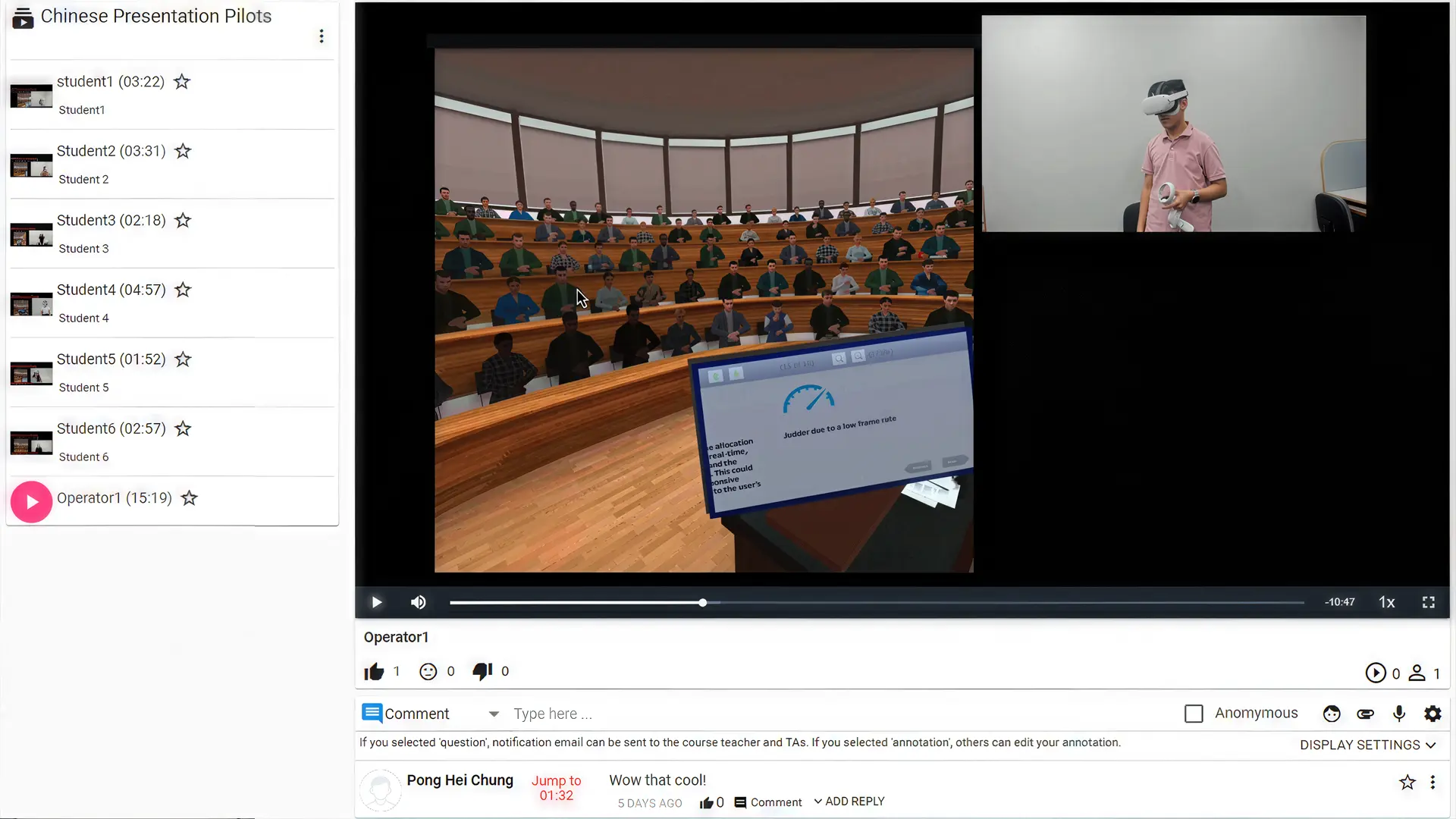
Teachers give time-stamped feedback on VR and real student recordings.

To help students overcome the psychological barriers linked to public speaking, particularly the anxiety of addressing a large audience, the Teaching and Learning Innovation Centre (TALIC) has partnered with the following three key language teaching sectors of HKU in creating an innovative AI-assisted virtual reality (VR) environment: 

  • Chinese Language Enhancement Programme (CLEP) of the School of Chinese
  • Chinese Language Centre (CLC) of the School of Chinese
  • Centre for Applied English Studies (CAES)

This innovative AI-assisted virtual reality (VR) enables students to participate in self-paced practice sessions designed to refine their public speaking skills, and has garnered positive feedback from those who have experienced it.

Self-regulated Learning in an Immersive VR & Simulated Environment

Just a few years ago, the idea of students practicing public speaking independently within a virtual environment using the Oculus VR headset would have seemed improbable. Today, however, VR and AR technologies are being broadly utilized at HKU to create immersive and simulate environments for students’ self-regulated learning across various disciplines, including applications in clinical practice and beyond.

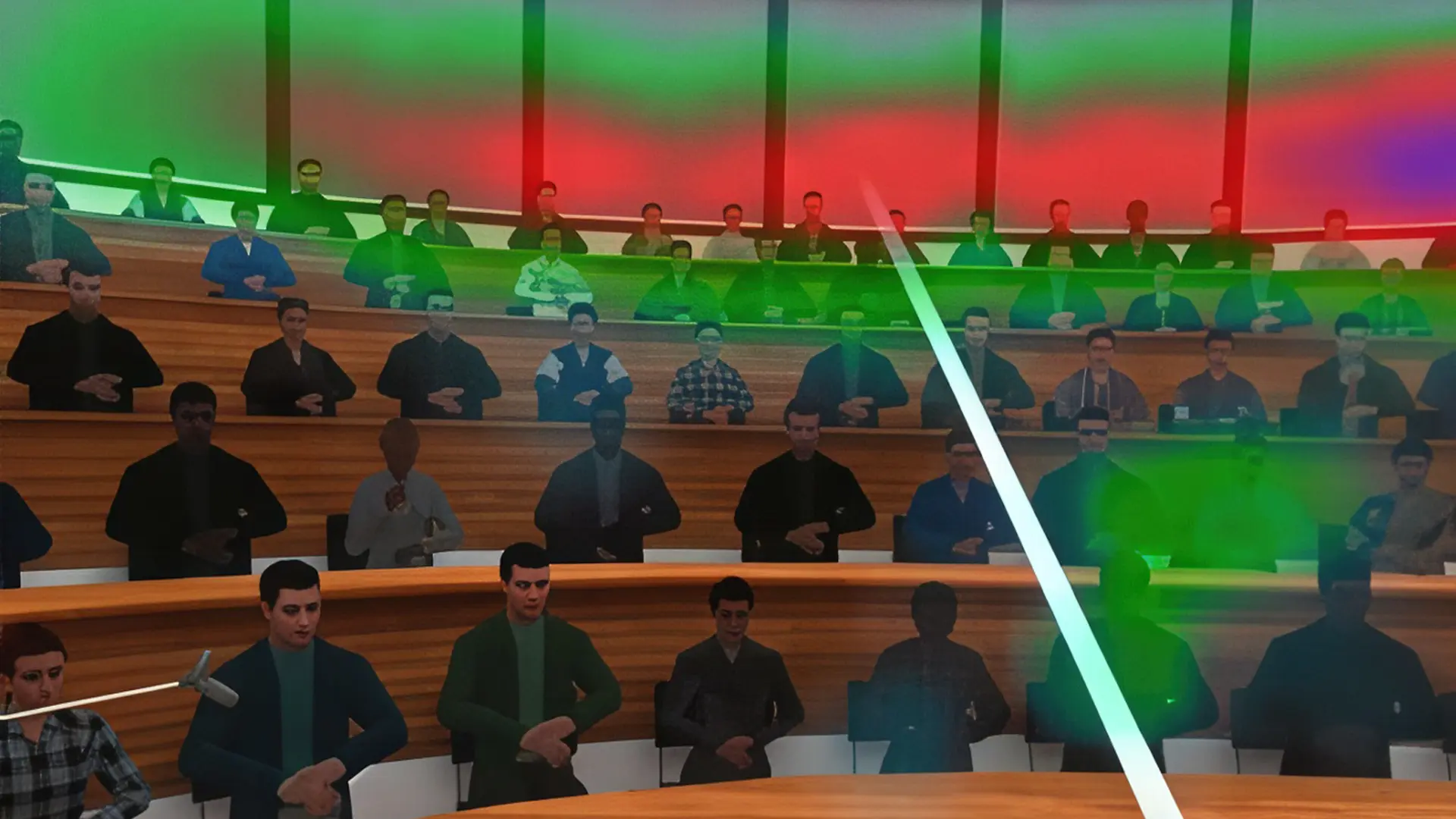
VR eye tracking analyzes student focus via heatmaps.

According to a May 2025 report by EDUCAUSE, advancements in technology—particularly in artificial intelligence and virtual reality—are fundamentally transforming how students engage with content. These innovations are reshaping our understanding of cognition and altering the ways in which learning is documented and valued.

Realistic Setting With Real-Time & Post-Speech AI-Powered Feedback

VR replicates lecture hall and classrooms for familiar, customizable public speaking practice.

Within this virtual environment, students can choose from a variety of simulated settings for their practice sessions, such as a large lecture hall, a classroom, or a conference room. The audience comprises their teachers, peers, and other simulated attendees. To enhance realism and engagement, students may encounter distracting noises like background conversations, ringing phones, snoring, and other unforeseen disruptions, both technical and non-technical.

The VR setup adapts interviews and diverse public speaking scenarios.

Students also have the opportunity to upload their own PowerPoint presentations into the virtual setting and practice their speech with the help of a timer. AI technology tracks their eye movements during the presentation, allowing students to review a heat map of their eye contact distribution after each session. Additionally, teachers can upload presentation rubrics into the system, and the AI-powered analysis can assist them in reviewing recorded student performances while providing timely and constructive feedback to help improve their presentation skills.

Dr. Carson Hung, TALIC
Read More
Currently, this initiative supports a range of language courses at the School of Chinese, catering to students from diverse academic backgrounds. However, the potential for expanding this self-paced virtual practice to other university courses and disciplines is significant.

Integrating AI-assisted VR technology in public speaking training is an innovative and essential intervention. By helping students reduce public speaking anxiety, they are empowered to master vital communication skills and improve their confidence in public speaking. This prepares and equips students for both academic challenges and future professional success.

Reference:

  • Huang, P. W., & Hwang, Y. L. (2025). The effectiveness of AI-integrated VR oral training application in reducing public speaking anxiety and interview anxiety. Computers and Education: Artificial Intelligence, 100514. 

  • Rodero, E., & Larrea, O. (2022). Virtual reality with distractors to overcome public speaking anxiety in university students. Comunicar: Media Education Research Journal, 30(72), 85-96.

  • Robert, J., Muscanell, N., McCormack, M., Pelletier, K., Arnold, K., Arbino, N., Young, K., & Reeves, J. (2025). The 2025 EDUCAUSE Horizon Report | Teaching and learning edition. EDUCAUSE.

Professional Development Programme Directors

Event Details

Date : 20 Mar 2026 (Fri) and 27 Mar 2026 (Fri)

Time : 2:30pm – 4:00pm

Venue : Learning Lab (RRS 321, 3/F, Run Run Shaw Building, Main Campus, HKU)

Overview of the Professional Development Programme Directors Initiative

Being a Programme Director is a highly complex task that calls for a wide range of skills, such as knowledge of curriculum design, knowledge of quality assurance, pastoral care, ability to collaborate, mentoring skills, administration and trouble-shooting to mention but a few. Programme Directorship has been referred to as leading others without direct authority or responsibility without power (Caddell et.al. 2022:25). Programme Directors are disciplinary experts who often have little or no experience in leadership. There is no job description for Programme Directors, yet they play a pivotal role in the university. Programme Directors lead the curriculum, manage the consequences of change – such as staff changes – and carry the main responsibility for the students’ experience on a programme. That experience, in turn, feeds into university ranking.

This professional development initiative for Programme Directors at HKU new to their role aims at supporting colleagues in this challenging role. It is facilitated by TALIC and colleagues from the Faculty of Education, but supported by colleagues from across the university who have years of experience in acting in the role of Programme Directors.

Reference: Caddell, M., Ellis, S., Haddow, C., and Wilder-Davis, K. (2022) A national approach. Foregrounding programme leadership in Scotland. In Lawrence, J., Morón-Garcia, and Senior, R. (Eds) Supporting Course and Programme Leaders in Higher Education. Practical Wisdom for Leaders, Educational Developers and Programme Leaders. Routledge: London and New York.

Date : 20 Mar 2026 (Fri)

Time : 2:30pm – 4:00pm

Venue : Learning Lab (RRS 321, 3/F, Run Run Shaw Building, Main Campus, HKU)

Facilitators :

  • Dr. Jannie Roed, Director, TALIC, HKU
  • Dr. Elizabeth Barrett, Assistant Dean (Teaching and Learning), Faculty of Education, HKU
  • Ms. Tanya Kempston, Principal Lecturer, Faculty of Education, HKU

Abstract

This workshop is a general introduction and exploration of the Programme Director role.

Themes to be covered and discussed:

  • What does the job description as Programme Directorship role cover in your context?
  • What data sources and evidence are Programme Directors expected and able to access as part of their role?
  • To what extent are Programme Directors empowered to lead enhancements across the programme?
  • To what extent is the Programme Director expected to lead or manage the team?
  • What opportunities exist for shared exploration or co-production of evidence for enhancement across the programme team?
  • How is student feedback addressed within courses and across the programme?

Following the workshop, participants will be invited to join Action Learning Sets (optional) over the following three months.

This workshop is designed for staff who are relatively new to the role of Programme Director. If you simply wish to learn more about the role of a Programme Director, you are also welcome to attend.

Date : 27 Mar 2026 (Fri)

Time : 2:30pm – 4:00pm

Venue : Learning Lab (RRS 321, 3/F, Run Run Shaw Building, Main Campus, HKU)

Facilitator : Dr. Jannie Roed, Director, TALIC, HKU

Abstract

This workshop is aimed at experienced Programme Directors. The workshop explores the role of Programme Directors at HKU. We will discuss the leadership involved in the role, key challenges we are faced with, and how to create a network for mutual support. The workshop will provide a backdrop for further development which will consist of small Action Learning Sets that will meet monthly for three months.

About the Facilitators

Dr. Jannie Roed is coordinator for Advance HE accredited programmes at HKU. As part of this role, she facilitates training sessions for mentors and assessors on the HKU Advance HE Fellowship Scheme. She also co-facilitates workshops for academic staff working towards Associate Fellow and Fellow of Advance HE. In addition, Jannie contributes to the teaching on TALIC programmes for new teaching staff.
Dr. Elizabeth Barrett is a Senior Lecturer in the Faculty of Education at The University of Hong Kong. Over the last five years as Assistant Dean (Learning & Teaching), she has worked closely with Programme Directors (PDs) and colleagues to advance curriculum, assessment innovation, and teaching enhancement across programmes. This hands-on collaboration has given her a deep appreciation of the complexities and daily challenges PDs face—along with the heroic-level dedication they bring to supporting their programmes and students. Elizabeth draws on this experience to offer practical insights and a collaborative (and resilient!) spirit to programme leadership. She also leads Faculty student wellness initiatives and serves as the Faculty Academic Advising & First Year Experience Coordinator.
Ms. Tanya Kempston is a Principal Lecturer in the Faculty of Education and Programme Director of the Postgraduate Diploma in Education (PGDE) programme in her Faculty. She has been teaching at HKU since 2008 and was awarded the University Teaching Innovation Award in 2021 and University Outstanding Teaching Award in 2018.
For information, please contact:

Ms. Canice MOK

Teaching and Learning Innovation Centre

Teaching Exchange Fellowship Scheme Seminar – Innovation in Pharmacy Education: Insights from the University of Auckland Exchange

Event Details

Date : 5 Mar 2026 (Thu)

Time : 12:00pm – 1:00pm

Venue : Learning Lab (RRS 321, 3/F, Run Run Shaw Building, Main Campus, HKU)

Speaker : Dr. Franco W.T. Cheng, Lecturer, Department of Pharmacology and Pharmacy, Li Ka Shing Faculty of Medicine, HKU

Facilitator : Prof. Luke Fryer, Assistant Director, TALIC, HKU

Abstract

This sharing session presents key findings and pedagogical insights gained from a Teaching Exchange Fellowship at the University of Auckland (UoA) School of Pharmacy. The seminar will explore how UoA’s established frameworks can inform curriculum enhancements for the BPharm and MAP programmes at HKU, specifically in the areas of curriculum mapping, digital health integration, and primary care training.

Participants will be introduced to the “Exit test mapping template” used at UoA, a model designed to ensure comprehensive competency coverage across learning domains, alongside a critical discussion on the benefits and potential retention risks of modular-based teaching approaches. The session will also highlight emerging collaborations in digital health, including the use of big data in respiratory care and the joint development of an AI-driven chatbot to simulate clinical scenarios for students. Finally, the seminar will outline how New Zealand’s focus on interprofessional education and advanced primary care roles is being adapted to create new teaching modules focused on chronic disease management and preventive care at HKU.

About the Speaker

Dr. Franco W.T. Cheng is a Lecturer at The University of Hong Kong and a Board Certified Cardiology Pharmacist. He holds a PhD in Pharmacoepidemiology and serves as a Governor for the International Society of Cardiovascular Pharmacotherapy (ISCP). His research utilizes big data to evaluate medication safety in cardiovascular and renal diseases. Dr. Cheng is also an Honorary Research Assistant at the HKU-Shenzhen Hospital and a member of the Health Bureau’s Task Group on Community Pharmacy.

For information, please contact:

Ms. Canice MOK

Teaching and Learning Innovation Centre

Teaching Development Grant (TDG) Writing Workshop with a Walk-In Clinic

Event Details

Date : 2 Mar 2026 (Mon)

Time : 12:30pm – 2:30pm

Venue : Learning Lab (RRS321, 3/F, Run Run Shaw Building, Main Campus, HKU)

Presenter : Prof. Lillian Luk, Assistant Professor, TALIC, HKU

Technology Consultant : Dr. Carson Hung, Lecturer / E-learning Technologist, TALIC, HKU

Abstract

During the first hour of the workshop, participants will be guided through the application form and engage in brainstorming activities. The second hour will operate as a walk-in clinic, where colleagues working on their applications can drop by for personalized advice and feedback.

The TDG application deadline for the April 2026 round is Wednesday, April 1, 2026. If you have questions about eligibility, expectations for successful proposals, etc. or if you’re seeking collaborators, this workshop is an ideal opportunity to clarify your ideas, refine your application, and connect with fellow educators passionate about advancing teaching and learning innovation.

For information, please contact:

Ms. Miffy LEUNG

Teaching and Learning Innovation Centre

Teaching Exchange Fellowship Scheme Seminar – Effective Professional Development in Teaching and Learning: What Does It Look Like?

Event Details

Date : 26 Feb 2026 (Thu)

Time : 12:30pm – 1:30pm

Venue : Learning Lab (RRS 321, 3/F, Run Run Shaw Building, Main Campus, HKU)

Speaker : Dr. Jannie Roed, Director, TALIC, HKU

Facilitator : Prof. Luke Fryer, Assistant Director, TALIC, HKU

Abstract

In late November 2025, Professor Catherine Bovill from the University of Edinburgh visited HKU. She is currently the external examiner for the Postgraduate Certificate in Academic Practice (PCAP). During her visit, she discussed the PCAP programme with past and current participants and we compared professional development offered at our two universities.

This sharing session will focus on the advantages and challenges around programmes such as the PCAP. It will explore ways in which HKU can support its teaching staff on a more continuous basis than is currently the case.

About the Speaker

Dr. Jannie Roed is coordinator for Advance HE accredited programmes at HKU. As part of this role, she facilitates training sessions for mentors and assessors on the HKU Advance HE Fellowship Scheme. She also co-facilitates workshops for academic staff working towards Associate Fellow and Fellow of Advance HE. In addition, Jannie contributes to the teaching on TALIC programmes for new teaching staff.

For information, please contact:

Ms. Canice MOK

Teaching and Learning Innovation Centre

Facilitating Two-way Feedback with AI-powered Feedback Analytics

Event Details

Date : 6 Feb 2026 (Fri) Time : 12:00pm – 1:00pm (HKT) Venue : Online (ZOOM) Chairman : Dr. Yi-Shan Tsai, Monash University Facilitator : Prof. Cecilia K.Y. Chan, CoP Chair; Professor, HKU

Abstract

Feedback is crucial to successful learning. It serves to help learners make sense of their current progress and bridge it with desired goals. However, feedback is often underutilised in higher education for various reasons, including inconsistency in its quality and learners’ lack of ability to utilise feedback effectively – a capability known as feedback literacy. One prominent challenge to improving feedback effectiveness and supporting learner feedback literacy is the lack of mechanism to track learners’ engagement with feedback systematically. In this talk, I will introduce PolyFeed, a feedback analytics tool designed with higher education educators and learners, to enhance two-way feedback. I will explore insights trace data may reveal about feedback literacy, and implications for learning and teaching. I will also discuss how feedback literacy may be reconceptualised in the context of AI-mediated feedback processes.

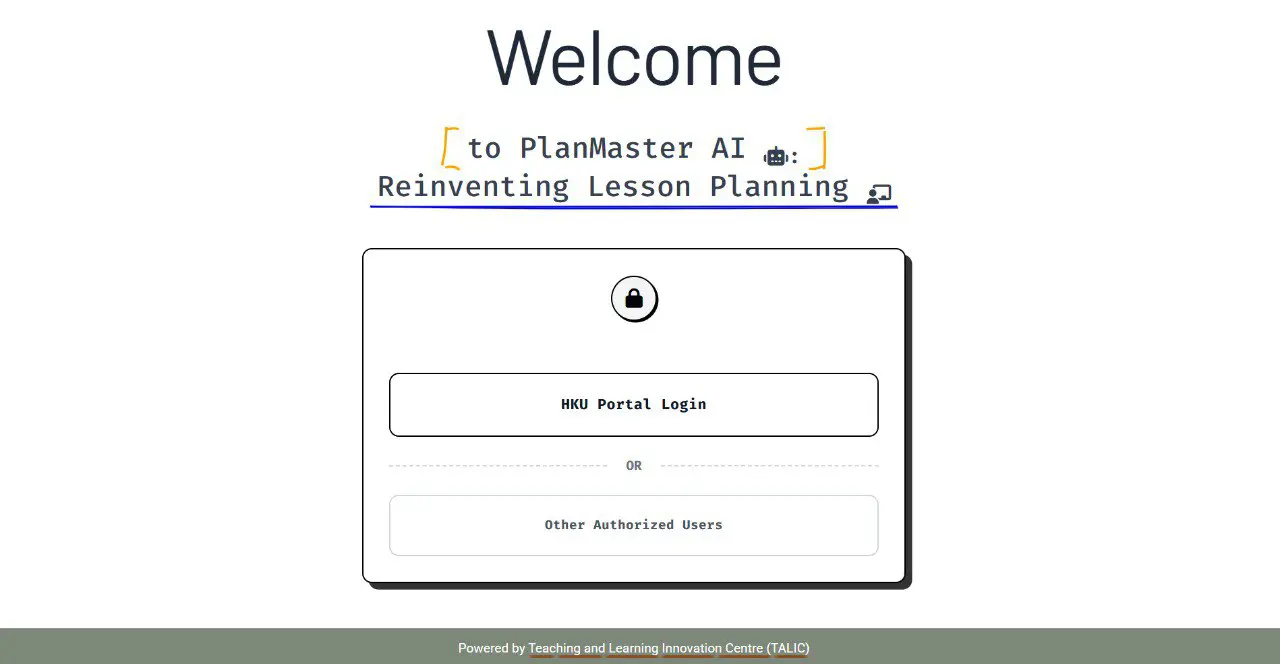
Plan Master AI – A GPS for Lesson Design

A common challenge for pre-service teachers is the difficulty of integrating theory into practice, often resulting in discrepancies between their instructional ideas and actual classroom outcomes. Many pre-service teachers (PSTs) find themselves being “over-ambitious” setting objectives that are too difficult without providing appropriate scaffolding for their students. 

“Plan Master AI acts like a “GPS for Lesson Design”: while the teacher remains the driver of the classroom, the AI provides a reliable map that flags missed turns in logic and ensures the “educational vehicle” is properly equipped to reach every student, regardless of the terrain.” Prof. Elizabeth Loh from the Faculty of Education.

Nurture Future Teachers in Lesson Planning

Effective lesson planning is the cornerstone of professional teacher training, serving as the vital bridge that connects educational theory to classroom practice. To empower PSTs with the skills and confidence needed for this complex task, Professor Elizabeth K.Y. Loh and her team at the HKU Faculty of Education, in collaboration with Dr. Carson Hung and Mr. Marco Leung from TALIC, developed “Plan Master AI (PM AI)”. This TDLEG-funded project leverages Generative AI to nurture future educators in designing their lesson plans for classroom instructions.

Support Learning Differences

Students learn best when they feel their strengths, values and needs are supported. Plan Master AI was designed specifically to cater to learning diversity, i.e., including students with special educational needs (SEN), gifted learners, and non-native Chinese speakers. Using the advanced technology of Plan Master, pre-service teachers are well guided to address and analyze the learning needs and “pain points” of their students and help them set level-appropriate objectives in their teaching.

Forging EdTech Partnership

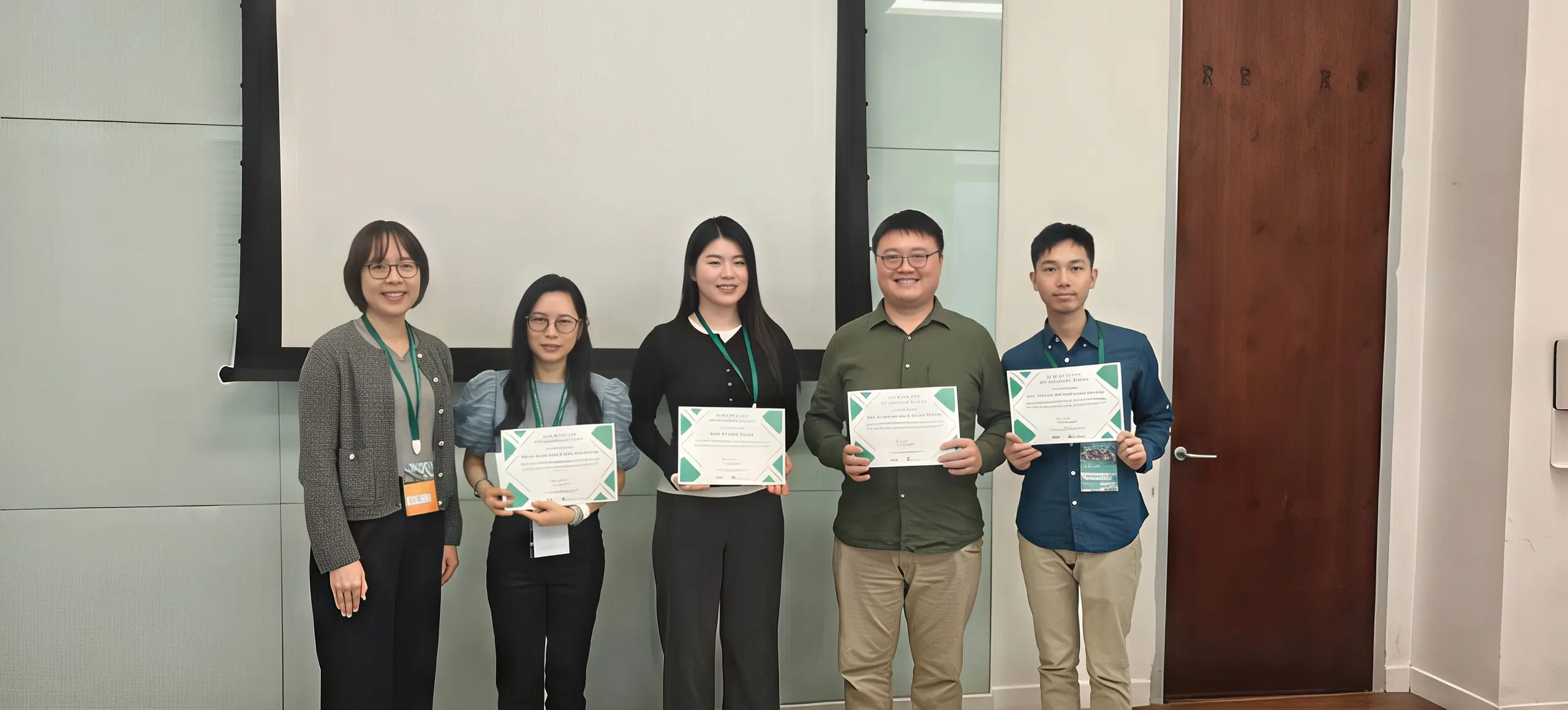
Names (left to right):

  • Prof. Lillian Luk, Assistant Professor, TALIC, HKU
  • Prof. Ka Yee Elizabeth Loh, Assistant Professor, Language and Literacy Education, Faculty of Education, HKU
  • Ms. Yiling Song, EdD Student, Language and Literacy Education, Faculty of Education, HKU
  • Dr. Carson Hung, Lecturer / E-learning Technologist, TALIC, HKU
  • Mr. Marco Kwan Lok Leung, IT Staff, TALIC, HKU

The project’s success is rooted in the close collaboration between the Faculty of Education and the technical expertise of TALIC. Together, they “plugged” the AI with EDB curriculum guides, specialized course content, and assessment rubrics. This ensures that the feedback provided by the platform is not only technically sound but also aligns with professional standards and HKU’s academic expectations.

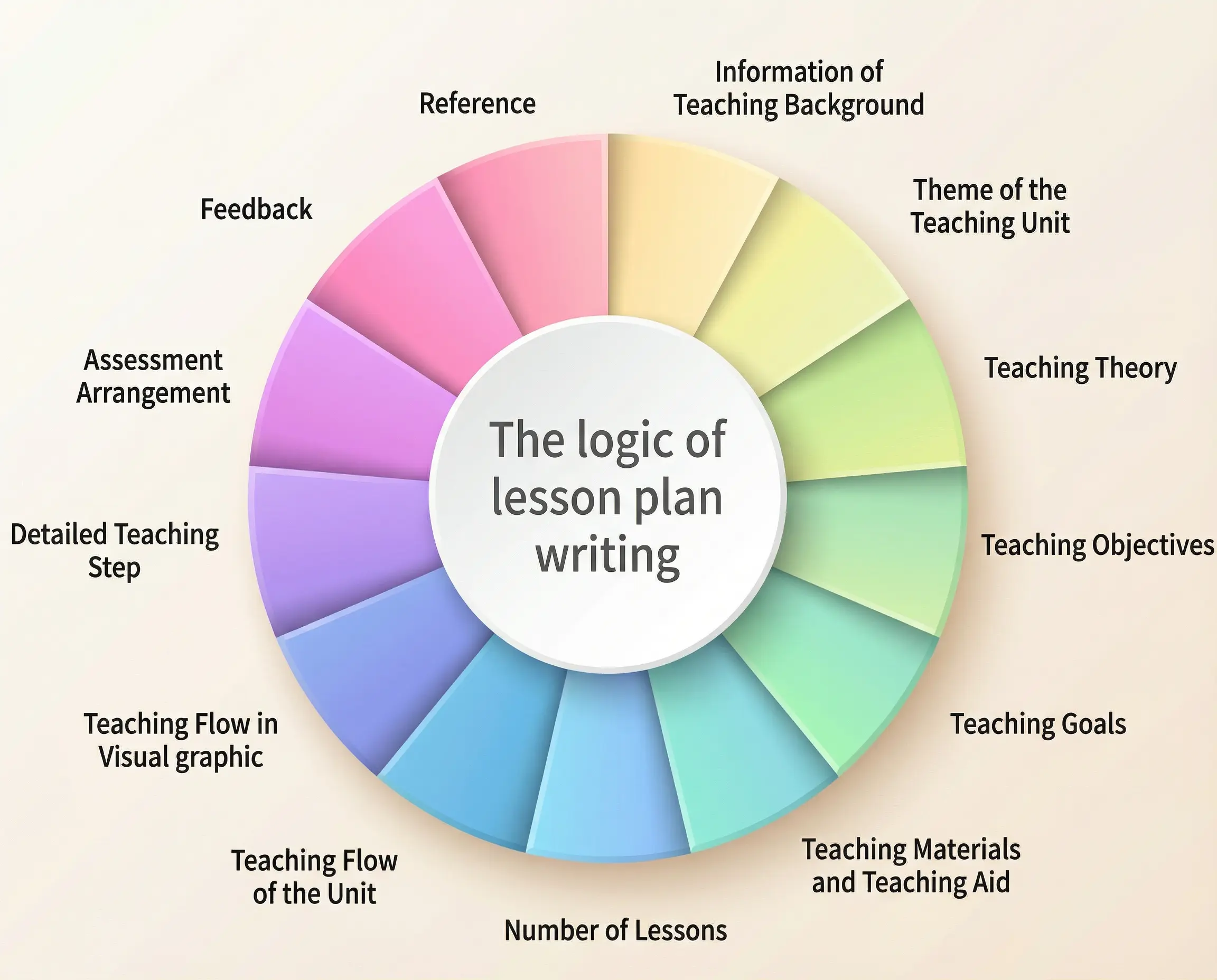
How It Works: 13 Dimensions of Rigorous Design

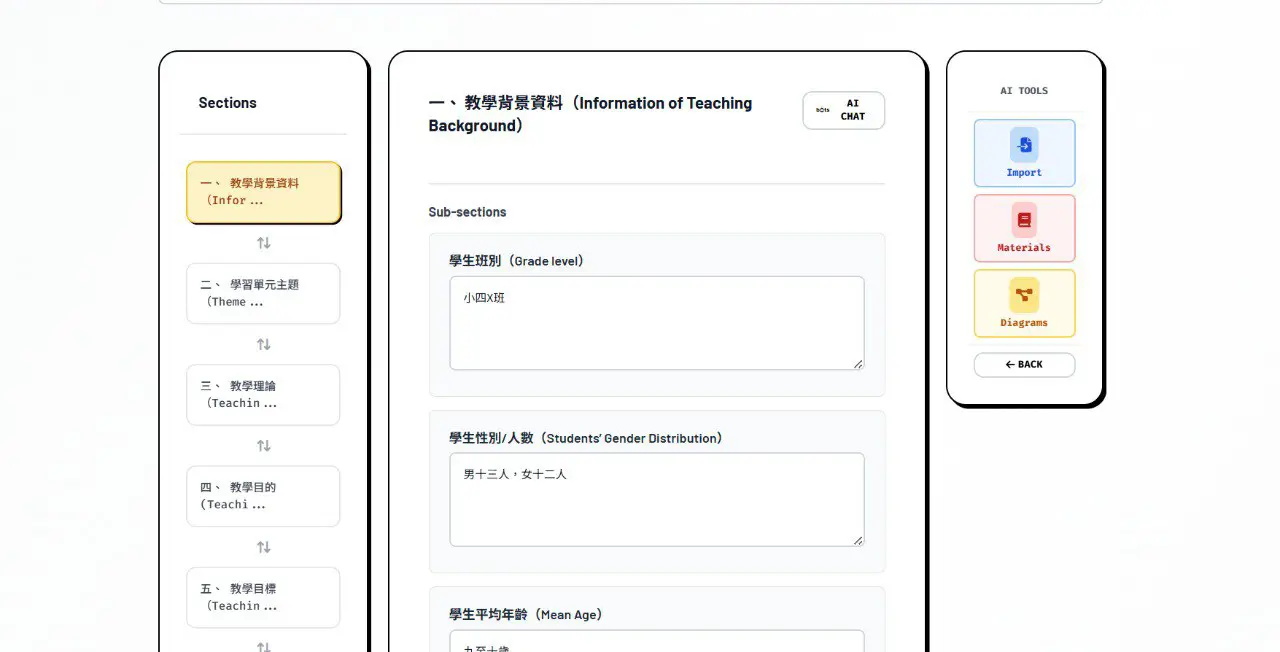
The PM AI platform provides a structured environment where students fill in 13 core sections of a teaching plan, ranging from student background and teaching theory to detailed procedures and assessment methods 

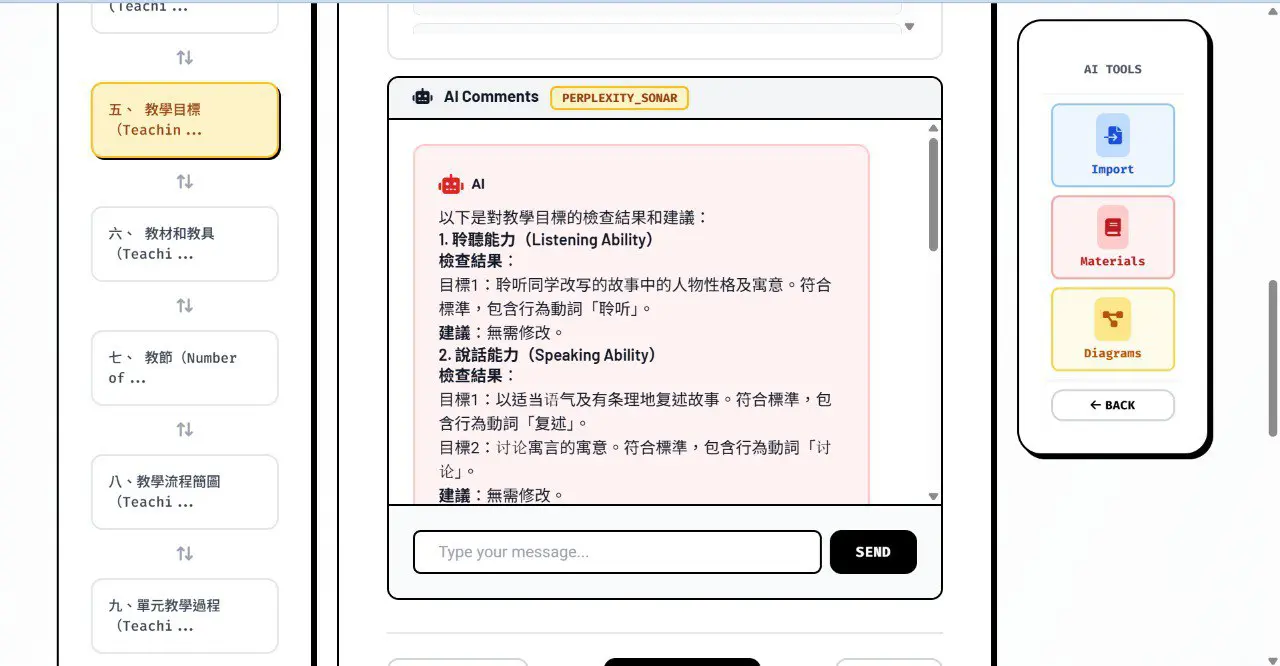
  • Consistency and Alignment: The AI meticulously checks for logical alignment between teaching objectives, content, and the actual steps of the lesson.
  • Scaffolding and Logic: It verifies that teaching steps move from the “most basic” to the “more advanced,” ensuring students learn step-by-step.
  • Choice of LLMs: Students have the autonomy to choose from various high-performance models, including Llama 3.3, DeepSeek R1, Perplexity Sonar, and Grok 4, to receive different perspectives on their work.
  • Personalized Interaction: Beyond simple checks, the platform offers a Teaching Material Adjustment Model to help PSTs fine-tune the complexity of their content for diverse learners./li>

One critical insight from the developers is that the AI should “not be too smart”; the goal is to stimulate the PST’s thinking process and provide guidance rather than doing the work for them.

Impact: Boosting Confidence and Efficiency

The platform was rolled out to 73 pre-service teachers, and the results have been overwhelmingly positive:
  • 63.8%: “PM AI” enhances the quality of their lesson plans
  • 62%:  ““PM AI” drives teaching innovation”
Quote: A Year 5 student shared: “PM AI is a highly helpful assistant… it guarantees that no important elements and details are overlooked,” giving them the confidence that their work is of high quality.
A Year 5 student
Read More
"PM AI is a highly helpful assistant... it guarantees that no important elements and details are overlooked," giving them the confidence that their work is of high quality.

Empower Our Future Teachers and Educators

Looking forward, the team is expanding Plan Master AI to tackle specific challenges in Classical Chinese education, which many PSTs find to be a “difficult mountain to climb. Future developments will also include multi-modal checking (such as analysing the logic of visual teaching flow diagrams) and expansion into English language teaching

Plan Master AI is not just a tool; it is a blueprint for how AI can empower the next generation of researchers and educators at HKU.

Enhancing and Tracking Students’ Engagement and Learning in an AI era through a Novel LMS – Vox

Event Details

Date : 2 Feb 2026 (Mon)

Time : 12:30pm – 1:30pm

Venue : Learning Lab (RRS 321, 3/F, Run Run Shaw Building, Main Campus, HKU)

Speakers :

  • Dr. Elizabeth Barrett, Senior Lecturer, Human Communication, Learning, and Development, Faculty of Education, HKU
  • Dr. David Villena, Assistant Lecturer, School of Humanities, Faculty of Arts, HKU
  • Prof. Michael Botelho, Professor, Restorative Dental Sciences, Faculty of Dentistry, HKU

Facilitators :

  • Prof. Michael Botelho, Professor, Restorative Dental Sciences, Faculty of Dentistry, HKU
  • Dr. Carson Hung, Lecturer / E-learning Technologist, TALIC, HKU

Abstract

While AI can make learning frictionless, meaningful education requires deliberate engagement—a “slow food” approach to foster deep, satisfying learning. This necessity calls for pedagogical tools and platforms designed to craft challenging and enlightening experiences.

This seminar explores how the innovative HKU LMS platform, Vox, transforms teaching and learning in class and online. It begins with an overview of Vox’s features for creating engaging learning journeys. Subsequently, three HKU educators from diverse disciplines (Education, Humanities, and Dentistry) will present case studies on using Vox to cultivate essential skills in the AI era. Their presentations will contextualize how the platform facilitates strategies such as the flipped classroom, peer review, video commentary, and collaborative group work.

Ideal for educators interested in practical technology integration, this session will offer strategies to foster deep learning, skills development, peer engagement, and reflective practice in professional education.

About the Speakers

Dr. Elizabeth Barrett
Dr. David Villena
Prof. Michael Botelho
For information, please contact:

Ms. Wing LIN

Teaching and Learning Innovation Centre