
Abstract
Generative AI is now part of how students learn data science and programming, yet its use in higher education remains largely unstructured. Students turn to general-purpose chatbots outside formal learning designs, risking cognitive offloading and over-reliance, while teachers have limited visibility into how AI mediates learning. Funded by the Teaching Development Grant (TDG No. 1087), this project developed StreamLearn (https://stream-learn.com/), an integrated multi-agent AI-assisted learning platform that embeds pedagogically aligned AI support across the full learning cycle, with dedicated student and teacher interfaces.
StreamLearn integrates specialized AI agents for distinct pedagogical roles. During lectures, students take notes and consult an AI instructor grounded in the lecture content. Beyond class, AI tutors support self-directed learning through explanation and Socratic questioning, with formative feedback on the quality of students’ human–AI interactions. A Python coding playground with an embedded AI tutor scaffolds programming practice through hints and debugging guidance rather than complete solutions. Students submit coding assignments, individual essays and group reports through the platform. For semester-long group work, StreamLearn supports co-editing of reports, collaborative programming and AI-facilitated group chat for discussion, task coordination and shared understanding. Learning analytics visualize students’ learning processes across activities, helping them monitor their progress and regulate their own learning. Data science ethics knowledge is embedded throughout, prompting students to practice responsible data analytics.
Through the teacher interface, teachers manage courses and teaching materials, use AI to assist course preparation, monitor student progress and provide timely support. StreamLearn thus offers a coherent environment in which AI support, assessment, collaboration and teacher oversight are designed together. The platform has been used in real course teaching. Although it was designed for data science and programming, it can be readily adapted to learning in other subjects.
We propose a seminar, preferably in an afternoon (PM) time slot, to share this TDG-funded work with colleagues. The seminar will (1) present the platform’s design rationale and multi-agent architecture; (2) offer a live, hands-on demonstration in which participants use StreamLearn first as students, attending a lecture, practicing coding with the AI tutor and collaborating in an AI-supported group chat, and then as teachers, managing courses and reviewing learning analytics; and (3) invite participants to explore how AI-supported pedagogical innovation can be implemented in their courses.
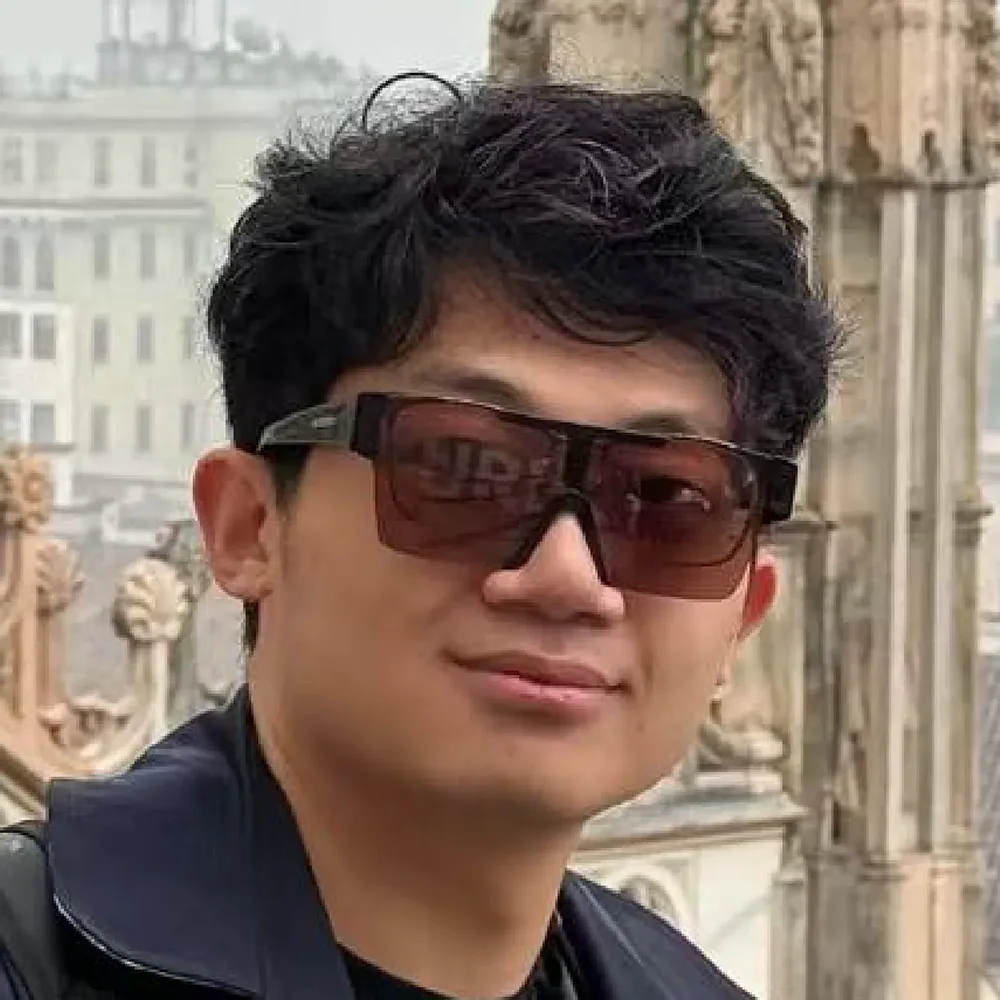
About the Speakers

Biography