
Unlocking the Potential of Feedback with Generative AI: Opportunities, Challenges, and Lessons from Practice

Event Details

Date : 23 Jan 2026 (Fri)

Time : 3:00pm – 4:00pm (HKT)

Venue : Online (ZOOM)

Chairman : Dr. Guanliang Chen, Monash University

Facilitator : Prof. Cecilia K.Y. Chan, CoP Chair; Professor, HKU

Abstract

Generative AI (GenAI) is rapidly reshaping how feedback can be designed and delivered in education. This seminar examines how GenAI can support feedback practices by helping educators analyse and improve feedback quality, and by enabling more timely, personalised, and actionable feedback for students at scale. It also critically discusses key challenges and risks, including hallucination and misalignment with established feedback theories. Finally, the talk presents Edvance, a GenAI-powered feedback tool developed and evaluated at Monash University, illustrating how theory-informed and responsible uses of AI technologies can effectively support student learning.

Empowering Confident Clinical Communication using AI-Enhanced VR Simulation

Effective clinical handovers are vital for seamless patient care and strong teamwork in healthcare. 

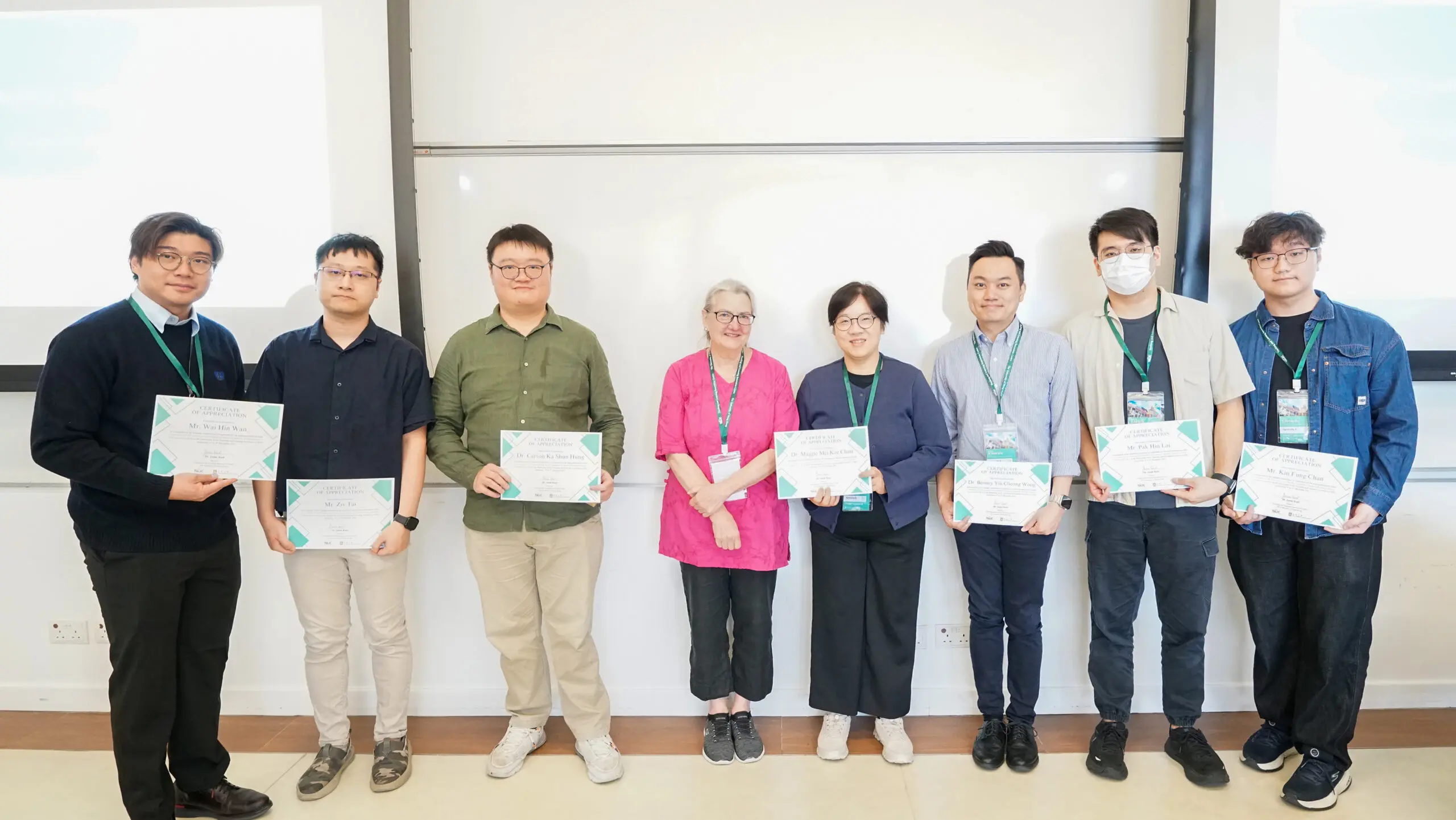
To build essential skills, competence and confidence, Nursing students benefit greatly from realistic, interactive practice. The AI-Enhanced Virtual Reality Simulation System in Nursing practice, co-created by the innovative team led by Dr. Maggie Chan*, Dr. Benney Wong, Mr. Abraham Wan at the School of Nursing, and Dr. Carson Hung and Mr. Ziv Tai at TALIC, were designed to prepare nursing students for professional nursing communications through cutting edge simulation technology.

Advancing Skills Through Interactive Practice

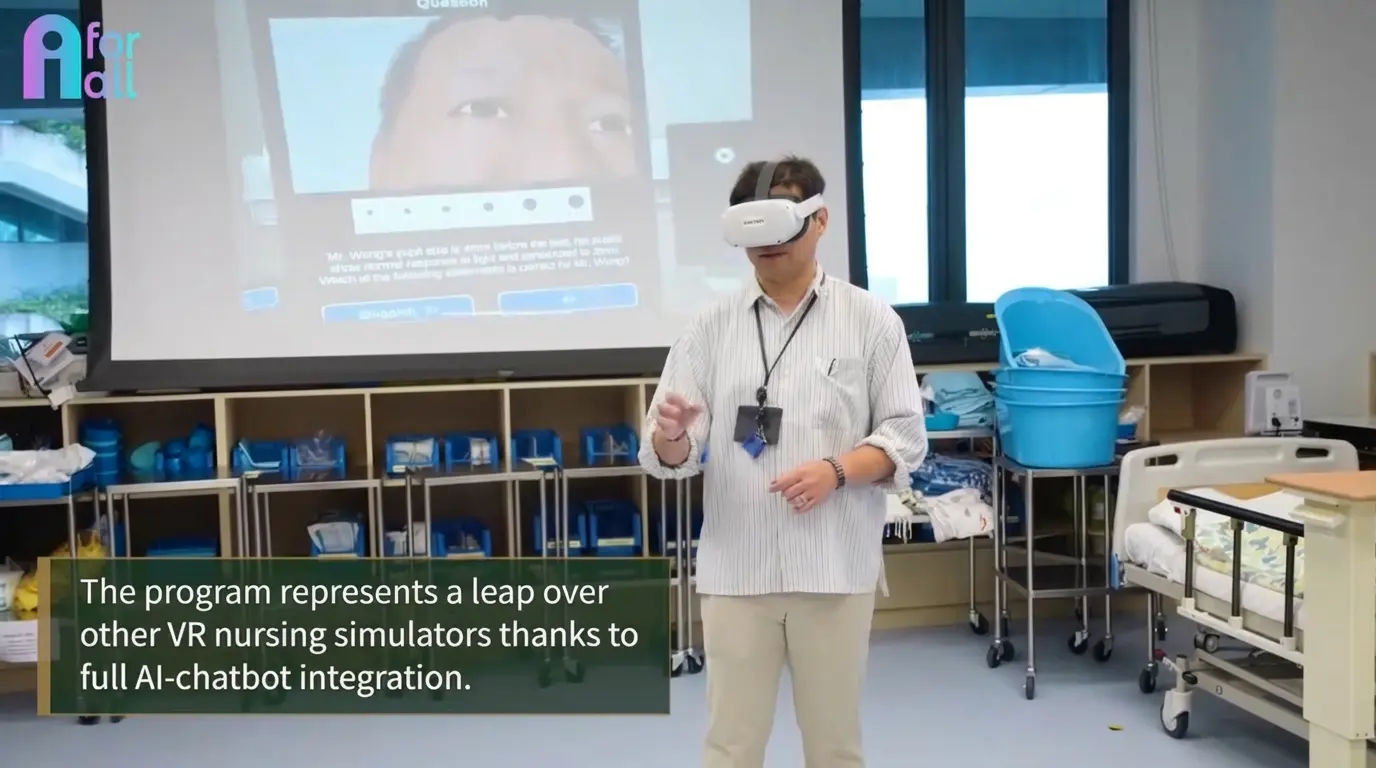
Nursing students thrive when given opportunities for hands-on, contextual learning that mirrors real clinical environments. In the simulated program, nursing instructors were created as humanoid avatars, i.e. NPCs, who interact with the nursing students in the virtual clinical environment. AI technology is integrated into the nursing instructor avatars and virtual environment to provide realistic responses and feedback much like in real life clinical handover scenarios. These virtual simulations enable nursing students to safely cultivate robust communication skills in clinical handover scenarios such as using structured frameworks including ISBAR (Identification, Situation, Background, Assessment, Recommendation), in order that these skills can be applied to their real-life counterparts.

Co-Creating AI-Enhanced VR Simulations

Names (left to right): 

  • Mr. Wai Hin Wan, Assistant Lecturer, School of Nursing, Li Ka Shing Faculty of Medicine, HKU
  • Mr. Ziv Tai, TALIC, HKU
  • Dr. Carson Ka Shun Hung, Lecturer / E-learning Technologist, TALIC, HKU
  • Dr. Jannie Roed, Director, TALIC, HKU
  • Dr. Maggie Mee Kie Chan, Senior Lecturer, School of Nursing, PolyU
  • Dr. Benney Yiu Cheong Wong, Lecturer, School of Nursing, Li Ka Shing Faculty of Medicine, HKU
  • Mr. Pak Hin Lai, Student, School of Nursing, Li Ka Shing Faculty of Medicine, HKU
  • Mr. Kin Fung Chan, Student, School of Nursing, Li Ka Shing Faculty of Medicine, HKU

The project’s strength lies in its dual focus: cutting-edge technology and a thoughtful co-creation process. Strong collaboration between faculty from the School of Nursing, TALIC and artificial intelligence tools is what made the VR project a success. Realistic clinical scenarios aligned with professional standards designed by nursing educators were transformed with TALICs facilitation into an effective VR training tool, with strong feedback from students who give valuable insights on how best the tool can support their training in clinical handover.

Dr. Maggie Chan*School of Nursing, PolyU
Read More
The TALIC team transforms our ideas into effective teaching tools using VR and AI.

How It Works: Immersive Training with Real-Time Feedback

A huge dimension of the responsive and realistic nature of the VR tool is built up by AI technology. By integrating AI capabilities such as ChatGPT and Azure Speech Studio, the simulation enables fluid, unscripted conversations and real-time adaptation to individual needs. 

Precisely how this AI technology is integrated comes down to specific input data and scenarios provided by nursing professionals and TALIC’s facilitation of AI technological use. The simulation immerses students in authentic clinical settings, such as a medical ward or Accident and Emergency Department (AED), tailored to their year level—Year 3 undergraduates handle simpler cases in 7 minutes, while Year 5 students tackle complex ones in 10-12 minutes. Participants are required to take care of a patient, including taking vital signs and providing nursing care according to the patient’s condition, and then deliver an ISBAR-structured clinical handover to an AI nurse afterwards. Powered by GPT-4o, the AI analyzes communication patterns, tone, and completeness in real-time, offering prompts for missing details and instant feedback. Post-session, students get an AI-generated report with scores, areas for improvement, and gamified elements like task-based points.

Dr Benney WongSchool of Nursing, HKU
Read More
The AI Nurse provides instant correction on missing or unclear information, ensuring a comprehensive clinical handover.

What Do Students Say? Feedback and Confidence-Boosting

The simulation was rolled out to over 430 nursing students across HKU’s Bachelor and Master programmes, and feedback from this run has shown clear benefits to student’s clinical handover training. Pre- and post-tests show enhanced self-efficacy, while rubrics for ISBAR and qualitative responses reveal improved communication skills. Students report feeling more prepared for practicums. Qualitative feedback from nursing students also show enjoyment and positive feedback: “It was a surprisingly fun and innovative way to perform clinical simulations”

Nursing Student Participant
Read More
I learned a lot, especially about how to report to colleagues.

A Blueprint for Future Professional Education

This AI-enhanced VR simulation demonstrates how collaborative, technology-integrated approaches can transform professional training at HKU. Looking ahead, exciting developments such as AI-driven character animation, dynamic facial expressions, and more natural voice synthesis will create an even richer and more immersive learning environment.

*Dr. Maggie Chan is the initiator of the project and is formerly affiliated with HKU.

AI is Transforming Education Design

The landscape of educational technology is fast evolving in the age of Artificial Intelligence, invigorating the emergent trend of human-AI collaboration in instructional design. The human-AI collaborative approach leverages AI’s capabilities to supplement instructor productivity and creativity, transforming how teachers and instructional designers create and curate contents in the intelligent immersive learning environment. 

Artificial intelligence is well suited to address teachers’ diverse needs by supporting individual students’ learning progress, delivering timely feedback on students’ work, gaining insights from student analytics to enhance interactivity, as well as generating content tailored to specific learning contexts and scenarios to improve students’ learning experiences (Wen et al., 2025).

AI breathes life into history learning

In a recent HKU massive open online course for global learners titled “The Evolution of Civilization”, teachers and instructional designers partnered with AI to develop context-aware content that engages students on multiple levels. For instance, by reconstructing historical scenes and events from over 2000 years ago to the present day, students may feel a deeper imagination and immersion in the historical course material. This capability allows educators to bring history to life, making it more relatable and memorable for learners. The use of AI aids in crafting and fleshing out real-life scenarios, such as simulating the ancient food sources of tribal communities, to provide students with a palpable connection to past civilisations.

Visualization enhances understanding of abstract concepts

Additionally, AI-driven animation can illustrate complex and abstract concepts, enabling better visualization and comprehension. For example, an animated image leveraging AI technology can clearly depict an abstract market concept illustrating key concepts of how urban density deepens and widens markets by increasing accessibility and city flow, consequently bringing in more skilled people and specialized goods.

Visual coherence made simple

AI is also a useful assistant in developing consistent imagery for flow diagrams and feedback loops, ensuring visual coherence throughout the course. This not only streamlines the instructional design process but also enhances the overall learning experience by providing clear and visually appealing course materials. By integrating AI into course design, teachers can more effectively tailor content to meet diverse learning requirements and support more personalised student learning experiences.

Efficiency matters

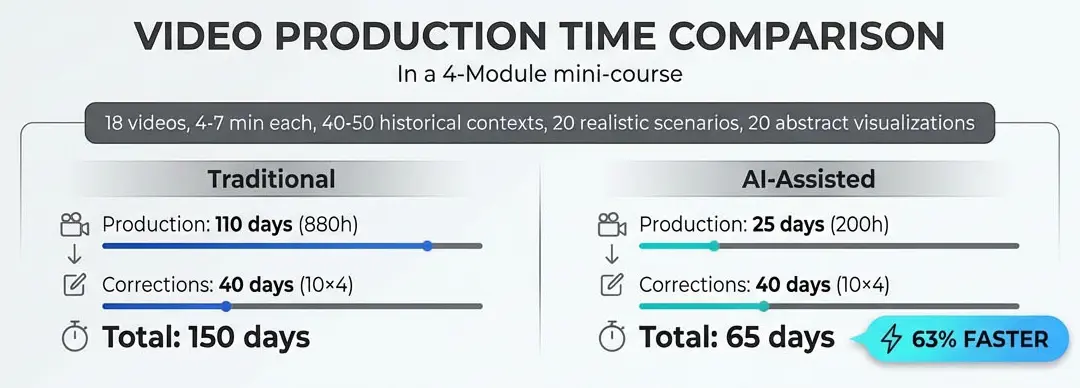
Harnessing the potential of Human-AI collaboration through advanced AI models and prompts revolutionizes the creative process for teachers and instructional designers, unleashes boundless possibilities for generating context-aware material. In the MOOC production workflow, this partnership enables the generation of high-quality, context-specific multimedia content, reducing production time by over 60%. The utilization of AI alleviates the burdens of traditional workflows, which often demand extensive manual illustration and sourcing of stock images. Embracing AI as a collaborative partner streamlines the education design process and empowers teachers to focus on creativity and students’ experiences.

Reference:

  • Huang, P. W., & Hwang, Y. L. (2025). The effectiveness of AI-integrated VR oral training application in reducing public speaking anxiety and interview anxiety. Computers and Education: Artificial Intelligence, 100514. 

  • Rodero, E., & Larrea, O. (2022). Virtual reality with distractors to overcome public speaking anxiety in university students. Comunicar: Media Education Research Journal, 30(72), 85-96.

  • Robert, J., Muscanell, N., McCormack, M., Pelletier, K., Arnold, K., Arbino, N., Young, K., & Reeves, J. (2025). The 2025 EDUCAUSE Horizon Report | Teaching and learning edition. EDUCAUSE.

AI Transparency Statement: The author(s) used [ChatGPT, DELL-E3, Kling2.5] during the preparation of this work to produce multimedia learning materials in course development. After utilising the tool/service, the author(s) thoroughly reviewed and edited the content as necessary and assumed full responsibility for the publication’s content.

Teaching Exchange Fellowship Scheme Seminar – Grants for overseas reciprocal visits through ‘Teaching Exchange Fellowship Scheme’

Event Details

Date : 8 Jan 2026 (Thu)

Time : 1:00pm – 2:00pm

Venue : Learning Lab (RRS 321, 3/F, Run Run Shaw Building, Main Campus, HKU)

Chairman : Prof. Olivia Leung, Associate Dean (Teaching and Learning), HKU Business School

Facilitator : Prof. Luke Fryer, Assistant Director, TALIC, HKU

Abstract

Grants for overseas reciprocal visits through ‘Teaching Exchange Fellowship Scheme’

To encourage HKU staff to introduce new ideas and innovative teaching methods by engaging with teachers from overseas universities, HKU has established the “Teaching Exchange Fellowship Scheme”. Under this scheme, HKU will provide funding up to $50,000 for reciprocal staff visits and a teaching relief grant of up to $60,000 may also be awarded to successful applicant’s department.

A seminar will be organized, open to all teaching staff, to offer a comprehensive overview of this funding scheme. The seminar aims to provide information on key objective, funding amounts, eligibility and application process. Additionally, it will offer valuable advice on preparing a successful application and guide participants on planning exchange visits to enhance the scholarship of teaching at HKU, which is the aim of the scheme. The seminar will also showcase examples, on how this funding opportunity can be used by HKU teaching staff to share experience and to collaborate on teaching and curriculum development initiatives with overseas reputable universities through reciprocal visits.

We highly recommend that staff who are considering applying for the scheme to attend the seminar. It will be beneficial for staff who attended the last seminar but didn’t have sufficient time to establish overseas connections, as well as those who are planning ahead for next application cycle (having a Wednesday, February 25, 2026 closing date), would also find the seminar useful. If you are unsure whether the scheme align with your teaching innovations, or if you simply want to learn more about it, you are welcome to attend. For further information, please refer to the Circular on this scheme available at https://tl.hku.hk/staff/tefs/.

For information, please contact:

Ms. Canice MOK

Teaching and Learning Innovation Centre

GenAI from Simple Chat to Apps, Bots, and Workflows

Event Details

Date : 18 Dec 2025 (Thu)

Time : 12:00nn – 2:00pm

Venue : Learning Lab (RRS 321, 3/F, Run Run Shaw Building, Main Campus, HKU)

Speaker : Mr. Chun-Ho Hung, Software Engineer, Poe Team, Quora Inc.

Facilitator : 

  • Dr. Jessica To, Lecturer, TALIC, HKU
  • Dr. Elvis Ng Wang Hei, Assistant Lecturer, Department of Pharmacology and Pharmacy, Li Ka Shing Faculty of Medicine, HKU

Abstract

This beginner friendly session introduces practical ways to use Generative AI (GenAI) with Poe that go beyond simple chat. It brings together many of the best AI models (GPT, Gemini, Claude, Nano-Banana-Pro) across text, image, video, and audio into a single interface, so participants can explore powerful tools without needing to juggle multiple accounts or platforms.

Focusing on simple, real-world examples, the workshop will show how Poe can help organize and support everyday academic and professional tasks at HKU:

  • how Canvas apps (built with Poe’s App Creator) can turn plain language ideas into interactive web applications for drafting, refining, and organizing work;
  • how prompt bots let you build custom bots on top of frontier models using a single text description;
  • how script bots and script creator can start to automate simple, repetitive processes while remaining accessible to non-specialists; and
  • how Poe’s OpenAI compatible chat completions API makes it possible to call any model or bot on Poe from your own tools and projects.

The session will also briefly highlight new collaboration features like group chat, which allow participants to work with others and multiple AI models in a single shared conversation.

No programming background or prior experience with Poe is required. Through live demonstrations (including Canvas apps, App Creator, and example API usage), discussion, and Q&A, the session aims to build confidence, clarify what GenAI can achieve, and offer a small set of concrete starting points that participants can adapt to their own work contexts.

Participants could bring their notebook computer to do hands-on practice during the workshop.

About the Speaker

Mr. Chun-Ho Hung is a software engineer on the Poe team at Quora, where he builds the Poe API and platform that enable everyone to access frontier generative AI models. He has over a decade of industry experience, including as a software engineer at Google, working on the next generation of planet-scale distributed backend infrastructure for products such as Google Search and YouTube, and as a backend engineer at Robinhood, supporting the company’s hypergrowth stage. He holds a BSc in Computer Science and an MPhil in Computer Science and Engineering from The Chinese University of Hong Kong.

Co-host

Li Ka Shing Faculty of Medicine, HKU
For information, please contact:

Ms. Canice MOK

Teaching and Learning Innovation Centre

Teaching Exchange with the University of Southern California – Pedagogical Practices for Converged Media Skills

Event Details

Date : 10 Dec 2025 (Wed)

Time : 1:00pm – 2:00pm

Venue : Learning Lab (RRS 321, 3/F, Run Run Shaw Building, Main Campus, HKU)

Speaker : Mrs. Jennifer Deayton, Lecturer, School of Future Media, HKU

Facilitator : Prof. Luke Fryer, Assistant Director, TALIC, HKU

Abstract

In this seminar, Mrs. Jennifer Deayton will share how the USC Annenberg School of Journalism and Communication uses professional journalism’s apprentice model to teach converged media skills. Jennifer will describe how the program’s “Newsroom as Classroom” offers experiential, cross-platform learning while fostering a strong sense of community and collaboration among students. As her department prepares to launch the School of Future Media, she will also look at ways to modify and apply Annenberg practices to this new learning environment.

About the Speaker

Mrs. Jennifer Deayton joined the Journalism and Media Studies Centre in 2022 after more than 20 years working in print and broadcast media in Asia.

She worked for CNN Hong Kong as a video editor, studio director and guest producer, and has worked as a story and video editor on productions for NatGeo, Discovery, TLC and SBS. Her feature writing focuses on Asia-based stories and profiles.

Jennifer has an MFA in film production from Loyola Marymount University, in Los Angeles, and earned her BA in liberal arts at the University of Texas at Austin.

For information, please contact:

Ms. Canice MOK

Teaching and Learning Innovation Centre

Interdisciplinary Learning, Transferable Skills, and Humanities Innovation: Lessons from a Teaching Exchange at Furman University

Event Details

Date : 8 Dec 2025 (Mon)

Time : 1:00pm – 2:00pm

Venue : Learning Lab (RRS 321, 3/F, Run Run Shaw Building, Main Campus, HKU)

Speaker : Prof. Monica Lee Steinberg, Assistant Professor, School of Modern Languages and Cultures, HKU

Facilitator : Prof. Luke Fryer, Assistant Director, TALIC, HKU

Abstract

Drawing on a Teaching Exchange Fellowship at Furman University (South Carolina, USA), this session considers how a liberal arts institution has integrated transferable skills and technology training into its humanities curriculum. Through interviews, course observations, and academic and co-curricular programs and workshops—including the Pathways Program, the Furman Humanities Center, the Visual Strategy minor, and the university’s suite of interdisciplinary, skills-based minors—the exchange offered an inside look at how Furman prepares students for post-graduate success. Key observations include a university-wide emphasis on experiential learning, faculty-supported undergraduate research, and structured career development integrated within a four-year educational model. Additional insights from Furman Fellows Program, Humanities Center, and technology-rich environments such as the Media Lab illustrate how the university operationalizes an “entrepreneurial mindset” within the arts and humanities.

This session will focus on how these models—emphasizing hands-on learning, AI-integrated pedagogy, digital humanities research, and multi-disciplinary skill building—can enrich HKU’s curriculum, particularly within arts and humanities courses.

About the Speaker

Prof. Monica Lee Steinberg is an Assistant Professor in the School of Modern Languages and Cultures at the University of Hong Kong, where she teaches courses on modern and contemporary art at the intersection of technology, law, and the market. Her teaching emphasizes an experiential and interdisciplinary approach to the humanities. She has also co-developed several creative digital humanities webapps that foster e-learning and digital literacy. Her research considers creative practice at the intersection of fictional attribution, law, and humor in a global context, and she is the author of Lives of the Imaginary Artists in Cold War California (University of Chicago Press, 2025).

For information, please contact:

Ms. Canice MOK

Teaching and Learning Innovation Centre

Immersive Academic English Learning for Year 1 Students on CAES1001 VR Platform

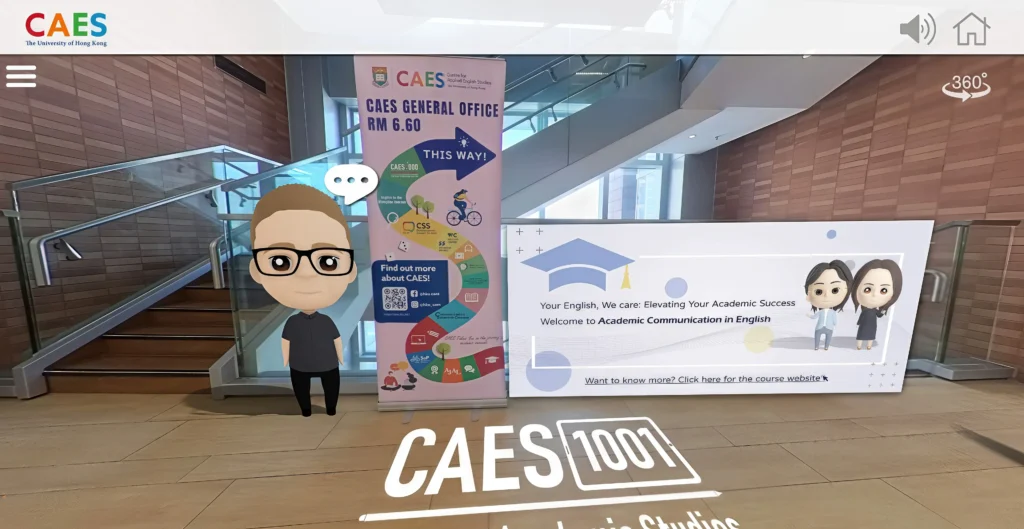
HKU’s CAES1001 virtual reality (VR) platform offers interactive learning by seamlessly connecting CAES, HKUL, and TALIC materials to engage students in self-learning and build academic literacies through digital innovation.

Interactive learning on a VR platform to familiarize new students with CAES resources

CAES1001, a first-year Academic English course, is working with the University of HongKong Libraries (HKUL) and the Teaching and Learning Innovation Centre (TALIC) to launch a virtual reality (VR) self-learning platform. This innovative project aims to enhance learning for first-year undergraduates by offering engaging and interactive experiences. Through the platform, students can develop essential skills such as writing, speaking, digital, visual, and AI literacy, with resources tailored to HKU’s diverse student community.

Touring six iconic landmarks to foster six key literacies

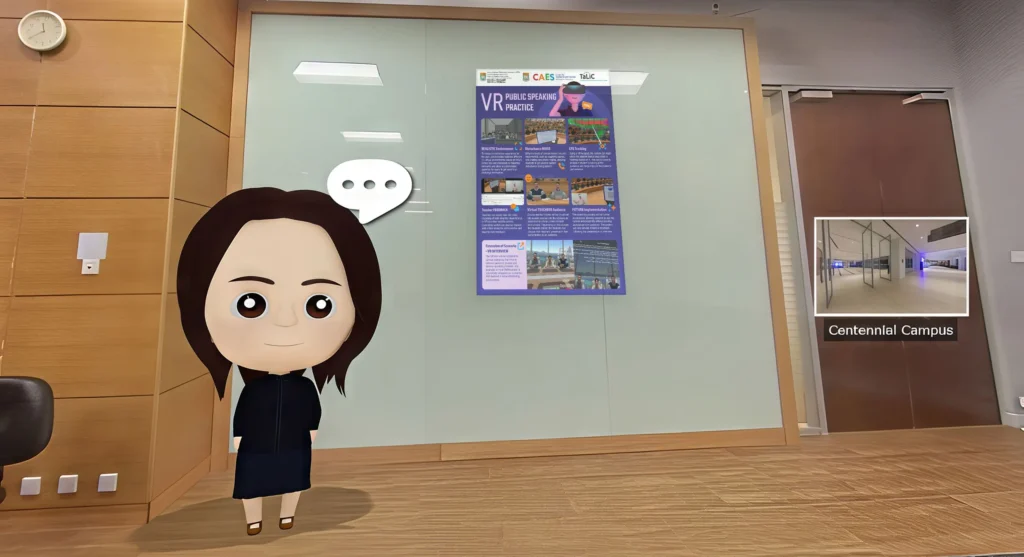
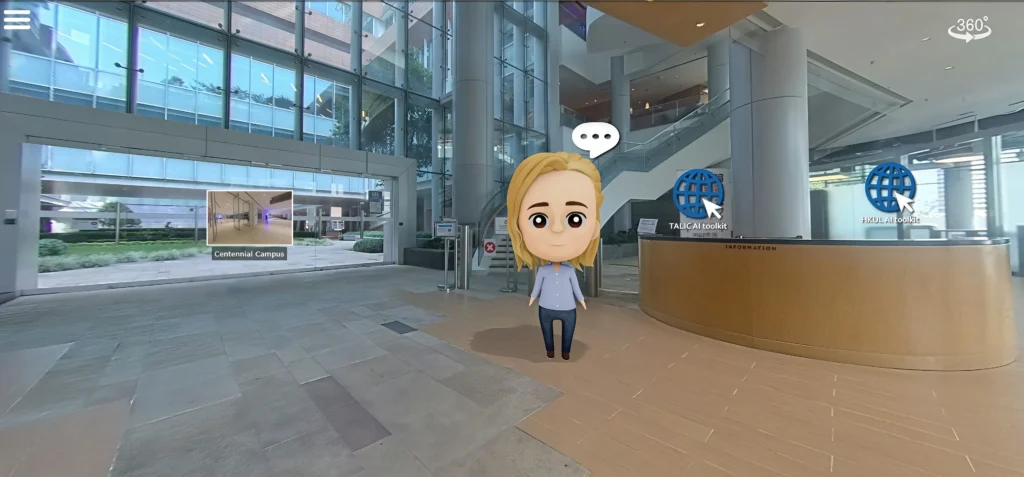
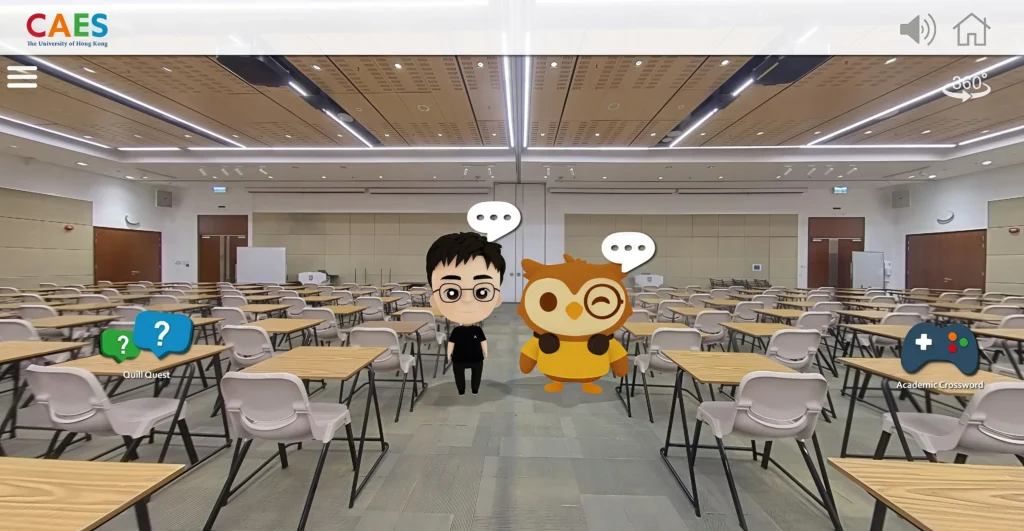
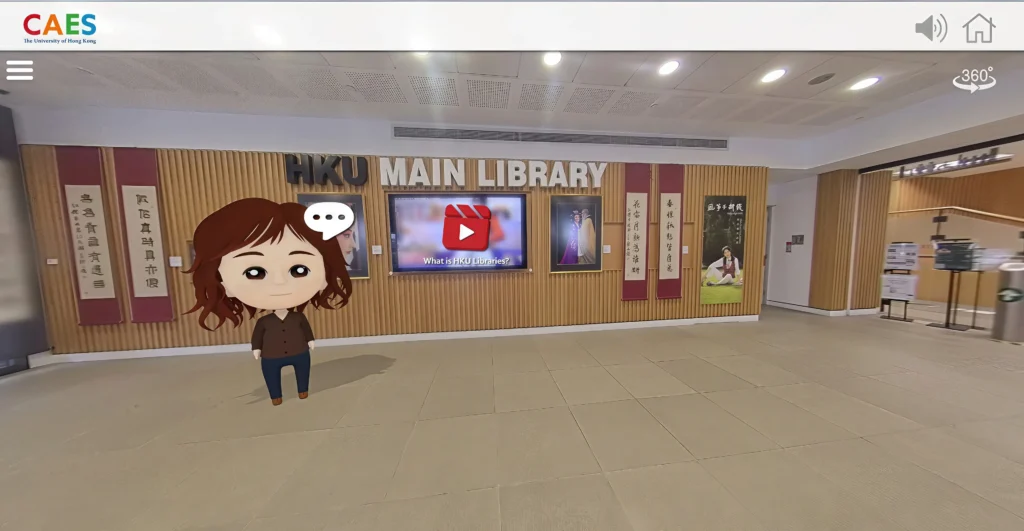
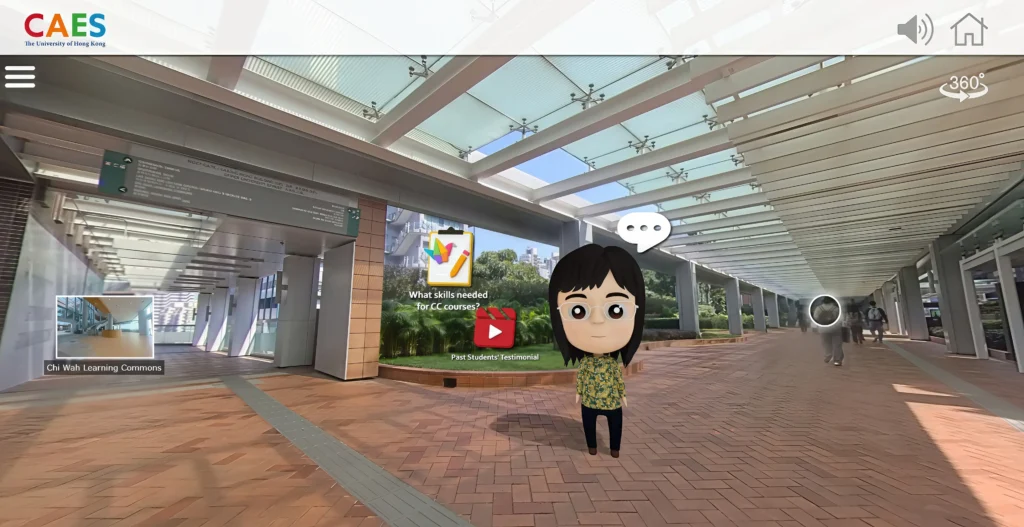
The VR platform guides students through six iconic HKU landmarks, each featuring a vital literacy area. At the CAES Office, students explore CAES1001 as a toolkit for developing academic literacy, including needs analysis activities to identify personal learning goals. In the Classroom, they discover AI-powered visual content tools and visit the VR Lab, developed with CLEP, to rehearse presentations and receive instant feedback. The Chi Wah Learning Commons emphasizes responsible AI use through reflective activities on ethical applications. The Examination Hall supports writing literacy with guidance on academic writing and citations. HKU Libraries (HKUL) serve as a virtual resource hub, helping students navigate library facilities and upcoming workshops. Finally, University Street connects core academic skills with interdisciplinary learning, encouraging students to reflect on and integrate their literacies across contexts.

1. CAES Office

Students are introduced to CAES1001 as a toolkit for developing academic literacy. Through a needs analysis activity, students identify their learning needs and choose resources for personal development.

2. Classroom

In this area, students learn about AI-powered tools for visual content creation and features a VR Lab developed with the Chinese Language Enhancement Programme (CLEP). Students can visit the lab to rehearse presentations and receive instant feedback.

3. Chi Wah Learning Common

This area engages students in reflective activities to explore responsible AI application in academic settings, examining real-life scenarios that show both benefits and challenges.

4. Examination Hall

This virtual space supports writing literacy by providing guidance on academic writing and effective citation management.

5. Hong Kong University Libraries (HKUL)

The virtual HKUL helps students navigate library resources and informs them about upcoming training workshops.

6. University Street

This landmark bridges core academic skills and Common Core Courses. Students reflect on their learning, connecting foundational literacies to broader interdisciplinary contexts.

Empowering student success with engaging VR resources

The CAES1001 VR platform is an engaging learning environment featuring interactive quizzes, reflective activities, and impactful learning videos. It seamlessly integrates comprehensive resources from CAES, HKUL and TALIC, giving students access to the latest materials and support. This platform exemplifies HKU’s commitment to preparing students for academic excellence in a rapidly changing world. By merging digital innovation with foundational literacy, this collaborative initiative ushers in a new era in higher education, empowering first-year students to thrive from the start.

Immersive virtual reality design is employed in various student-centered activities at HKU to enhance interactive learning and help students take ownership of their learning.

Dr. Alice YAU

Programme Coordinator of
CAES1001 Academic Communication in English (ACE)
Centre for Applied English Studies (CAES)

Integrating Interdisciplinary Fieldwork into Studio Teaching: Insights from a Teaching Exchange with the Norwegian University of Life Sciences and KU Leuven

Event Details

Date : 1 Dec 2025 (Mon)

Time : 1:00pm – 2:00pm

Venue : Learning Lab (RRS 321, 3/F, Run Run Shaw Building, Main Campus, HKU)

Speaker : Ms. Susanne Elisabeth Trumpf, Senior Lecturer, Division of Landscape Architecture, HKU

Facilitator : Professor Luke Fryer, Assistant Director, TALIC, HKU

Abstract

Drawing insights from a Teaching Exchange Fellowship with the Norwegian University of Life Sciences (NMBU) and KU Leuven in Belgium, this session highlights collaborative efforts to advance interdisciplinary learning and institutional partnerships between HKU’s Landscape Architecture programs and leading institutions in Europe. By engaging in co-led workshops, immersive fieldwork, and faculty dialogues, the fellowship cultivated innovative strategies for hands-on studio pedagogy. Key outcomes included methodologies that bridge cultural and technical aspects of landscape education, demonstrated through NMBU’s experiential land lab and KU Leuven’s cross-cultural traveling studios. This seminar will discuss how these insights can enrich HKU’s curriculum and foster scholarly exchange.

About the Speaker

Ms. Susanne Elisabeth Trumpf is a Senior Lecturer in the Division of Landscape Architecture at the University of Hong Kong, where she teaches design studios, landscape media and research seminars. Susanne’s teaching and research have adopted an interdisciplinary approach to address urban-environmental concerns, with courses reflecting a commitment to landscape and materials through an emphasis on experiential, hands-on learning. She has co-founded TAL-L, a database that focuses on landscape materials and material ecologies.

Before joining HKU, Susanne has taught at Hong Kong Polytechnic University, the AA Visiting School (Hong Kong) and Hong Kong Design Institute. She has practiced in Berlin and Hong Kong and is founder of indialogue, a consultancy focused on conversations and experimentations in architectural design and practice. Susanne graduated from TU Berlin, Germany (BArch) and TU Delft, Netherlands (MArch) in Architecture, Urbanism and Building Sciences.

For information, please contact:

Ms. Canice MOK

Teaching and Learning Innovation Centre

Students and Staff Co-creating Curriculum: Exploring Evidence and Possibilities

Event Details

Date : 28 Nov 2025 (Fri)

Time : 2:00pm – 3:30pm

Venue : Learning Lab (RRS321, 3/F, Run Run Shaw Building, Main Campus, HKU)

Speaker : Prof. Catherine Bovill, Professor of Student Engagement in Higher Education, Institute for Academic Development, University of Edinburgh

Facilitator : Dr. Jannie Roed, Director, TALIC, HKU

Abstract

Across the higher education sector, there is increasing recognition of the importance of involving students in curriculum design. There are many different examples of how students and staff are co-creating curriculum, and in this talk I will present a range of these examples and the benefits that can result from co-creation, and the ways in which these examples might be adapted in different settings. I will explore how we define curriculum and the influence this has on what we are inviting students to co-create. I will also question how much agency students really have in the curriculum, as well as looking at the key role of teachers in enacting curriculum through the relationships they build with students in the classroom.

You will have the opportunity to learn more about the different forms of co-creation colleagues are adopting in different universities, and to discuss the appropriateness of different approaches in your context. There will also be the opportunity to share any existing examples from your practice, to consider and discuss ideas for co-creation in your own practice, and to ask questions to help you take the next steps in enacting co-creation.

About the Speaker

Catherine Bovill is Professor of Student Engagement in Higher Education at the Institute for Academic Development, University of Edinburgh. With a background in health promotion and a PhD in international development, she has been an academic developer for 20 years supporting the enhancement of teaching and the development of teachers within numerous universities. Cathy is a National Teaching Fellow, Fulbright Scholar (2019-20), Visiting Professor at the University of Bergen, Norway, Principal Fellow of the Higher Education Academy and Fellow of the Staff and Educational Development Association. Cathy is also External Examiner for the Postgraduate Certificate in Academic Practice at the University of Hong Kong. She is considered a world leader in co-created curriculum, student-staff partnership in learning and teaching, and student engagement, and has published over 60 articles and books and given over 100 keynote presentations and masterclasses in 15 countries.

Co-host

For information, please contact:

Ms. Miffy LEUNG

Teaching and Learning Innovation Centre

Teaching Development Grant (TDG) Writing Workshop with a Walk-In Clinic

Event Details

Date : 20 Nov 2025 (Thu)

Time : 11:45am – 1:45pm

Venue : Learning Lab (RRS321, 3/F, Run Run Shaw Building, Main Campus, HKU)

Presenter : Prof. Lillian Luk, Assistant Professor, TALIC, HKU

Technology Consultant : Dr. Carson Hung, Lecturer / E-learning Technologist, TALIC, HKU

Abstract

During the first hour of the workshop, participants will be guided through the application form and engage in brainstorming activities. The second hour will operate as a walk-in clinic, where colleagues working on their applications can drop by for personalized advice and feedback.

The TDG application deadline for the December 2025 round is Tuesday, December 23, 2025. If you have questions about eligibility, expectations for successful proposals, etc. or if you’re seeking collaborators, this workshop is an ideal opportunity to clarify your ideas, refine your application, and connect with fellow educators passionate about advancing teaching and learning innovation.

For information, please contact:

Ms. Miffy LEUNG

Teaching and Learning Innovation Centre

COIL Seminar Series November 2025

Event Details

Date : 7 Nov (Fri), 12 Nov (Wed), 28 Nov (Fri) 2025

Time :

  • 12:30pm – 1:30pm (HK / SG time)
  • 1:30pm – 2:30pm (South Korea time)

Venue : Zoom

Abstract

Collaborative Online International Learning (COIL) is an innovative and cost-effective pedagogical approach that connects teachers and students from varied geographical regions and cultural backgrounds through virtual exchanges. COIL is useful in developing students’ intercultural competence, global citizenship, communication and digital skills. However, many educators face challenges in identifying teaching partners, designing COIL curricula, and managing time differences. In view of the challenges, Teaching and Learning Innovation Centre (TALIC) from The University of Hong Kong, Centre for Teaching and Learning (CTL) from Sungkyunkwan University, and Nanyang Technological University will co-organise a series of COIL events in November 2025, with the aim of supporting teacher professional development.

The seminar series consists of informative talks on COIL pedagogy and AI speech translation, a matchmaking initiative to facilitate the search for collaborators, and two sharing sessions of effective COIL practices in English literature, cultural studies, early childhood education, and nursing. With esteemed speakers from The University of Hong Kong, Sungkyunkwan University, Nanyang Technological University, and The Education University of Hong Kong, the series will enlighten participants about COIL course development and productive use of AI technologies for multilingual interaction.

COIL Matchmatching Initiative

In view of the challenges of identifying a teaching partner for COIL, TALIC, CTL, and Nanyang Technological University leverage Padlet to facilitate partner search. If you are looking for a collaborator to do COIL, please create a post on the Padlet and share your course-related information and contact details. You could find the details of this initiative from the introductory video.

Date : 7 Nov 2025 (Fri)

Time :

  • 12:30pm – 1:30pm (HK / SG time)
  • 1:30pm – 2:30pm (South Korea time)

Venue : Zoom

Speakers :

  • Dr. Hoo Hui Teng, Senior Lecturer, Nanyang Business School, Nanyang Technological University
  • Dr. Kyuhong Shim, Assistant Professor, Department of Computer Science and Engineering, Sungkyunkwan University

Abstract

This webinar session explores how cross-border collaboration in higher education can be enhanced through innovative pedagogy and emerging technologies. The first presentation by Dr. Hoo Hui Teng will introduce the value and challenges of COIL rollout in higher education via a scoping review. Dr. Hoo will highlight pedagogical considerations of designing and implementing meaningful collaborative online activities.

The second presentation by Dr. Kyuhong Shim will introduce AI speech translation and its implications for education. He will outline core challenges such as simultaneous translation, low-resource languages, and code-switching, while also showcasing widely used AI-powered tools like Google Live Translate and MS Teams Live Captioning. Despite their potential, these tools still face issues of accuracy, latency, and emotional nuance. Looking ahead, he will discuss how multimodal LLMs may open new possibilities for multilingual interaction in higher education.

An Anatomy of Collaborative Online International Learning (COIL)

Dr. Hoo Hui Teng is a Senior Lecturer at Nanyang Business School, Nanyang Technological University. She leads the Business School’s Assurance of Learning Innovation which looks into pedagogies, assessments and feedback for effectual teaching and learning. As a multiple teaching award educator, Dr. Hoo is a recipient of several education grants, including two NTU COIL grants in 2022 and 2024.
An Overview of AI Speech Translation: Challenges, Tools, and Future Directions

Dr. Kyuhong Shim is an Assistant Professor in the Department of Computer Science and Engineering at Sungkyunkwan University. His research focuses on AI-based speech and language processing, extending his Ph.D. work on efficient speech recognition to broader applications such as translation and multilingual support. Before joining SKKU, he worked at Qualcomm Korea where he developed efficient speech and language models for mobile and multilingual applications. His current work emphasises building more natural and human-like speech interfaces by leveraging LLMs.

Date : 12 Nov 2025 (Wed)

Time :

  • 12:30pm – 1:30pm (HK / SG time)
  • 1:30pm – 2:30pm (South Korea time)

Venue : Zoom

Speakers :

  • Dr. Ann Ang, Assistant Professor, English Language and Literature Academic Group, National Institute of Education, Nanyang Technological University
  • Dr. Winnie L. M. Yee, Senior Lecturer, Department of Comparative Literature, HKU

Abstract

Following the workshops on November 7, we invite two experienced COIL teachers to share their practices. In the first sharing, Dr. Ann Ang will talk about the teaching and learning approaches explored in the COIL grant-funded module Literatures of Southeast Asia, co-taught with Universiti Brunei Darussalam. The three-part structure (hybrid lecture, breakout room discussions and an in-person session) allowed students to co-construct interpretations of literary texts from the region, while critiquing assumptions and sharing locational knowledge.

In the second sharing, Dr. Winnie Yee will introduce her COIL course with the Faculty of Humanities at Utrecht University (The Netherlands) in the summer of 2023. Designed as a transdisciplinary course, it aims to bring together the Master students from sciences, social sciences, and humanities who share an interest in creatively rethinking the Earth and its inhabitants, particularly urban deltas as critical zones. She will also reflect on the advantages of the COIL initiative for student learning and discuss the challenges involved in coordinating and sustaining the course.

Cultural and Material Exchanges in Literary Southeast Asia

Dr. Ann Ang is an Assistant Professor of English Literature at the National Institute of Education, Nanyang Technological University. Her current research interests include comparative methods for anglophone Southeast Asian literatures, Singapore and Malaysian poetry, and ecocritical approaches to regional writing. Dr. Ang’s work is published in Kritika Kultura, The Journal of Postcolonial Writing, Interventions and Modernism / Modernity. She is also a writer of poetry and fiction, and has edited several literary anthologies.

Rethinking Urban Deltas: A Transdisciplinary COIL Journey Across Continents

Dr. Winnie L. M. Yee is a Senior Lecturer in Comparative Literature and the programme coordinator for the MA in Literary and Cultural Studies at the University of Hong Kong. Her research interests include ecocriticism, contemporary Chinese literature and film, Hong Kong culture, and independent cinema. She is currently a visiting research fellow at the Centre for Cross-Cultural Studies, Kyung Hee University (South Korea). She has previously been a fellow at the Rachel Carson Centre for Environment and Society at Ludwig-Maximilian University, Munich. She has published essays in journals such as Interventions, Cultural Studies, CLCWeb, Asian Cinema, PRISM, and other publications.

Date : 28 Nov 2025 (Fri)

Time :

  • 12:30pm – 1:30pm (Hong Kong / Singapore Time)
  • 1:30pm – 2:30pm (South Korea time)

Venue : Zoom

Speakers :

  • Dr. Anika Saxena, Lecturer, Department of Early Childhood Education, The Education University of Hong Kong
  • Dr. Polly Siu Ling Chan, Senior Lecturer, School of Nursing, Li Ka Shing Faculty of Medicine, HKU

Abstract

As the final event of this series, we examine COIL cases from early childhood education and nursing. In the first sharing, Dr. Anika Saxena will share her COIL collaboration with a Mexican institution, highlighting effective strategies, best practices for implementing COIL and practical solutions for overcoming common challenges. Participants will gain insights into enhancing global collaboration and fostering meaningful educational experiences.

In the second sharing, Dr. Polly Chan will present a technology-enhanced interprofessional e-learning initiative, designed to foster cross-cultural collaboration and engagement among healthcare students in Hong Kong, Mainland China, South Korea, and Thailand. Through asynchronous gamified modules and synchronous Virtual Reality 360 simulations, the students from different geographical regions worked in diverse teams to explore case-based scenarios and engage in collaborative group work.

COIL Unlocked: Effective Strategies, Best Practices, and Overcoming Challenges

Dr. Anika Saxena is a Lecturer in the Department of Early Childhood Education (ECE) at the Education University of Hong Kong. Her teaching areas include early childhood teacher education, leadership, curriculum, technology integration and computational thinking in early childhood education. Trained as a science, computer science, and ECE teacher, Dr. Saxena worked in ECE education in Hong Kong for many years, holding several senior leadership positions in international and local schools. This experience gained a broad understanding of ECE curriculum, teacher training, leadership, and technology integration in education. Dr. Saxena’s research interests include early childhood teacher education, technology integration in education, flipped classrooms, artificial intelligence & computational thinking in education, and the creative aspects of teaching and learning.

Promoting students’ intercultural capabilities via Collaborative Online International Learning (COIL)

Dr. Polly Siu Ling Chan is a Principal Lecturer in the School of Nursing at The University of Hong Kong. She is experienced in curriculum review, design and development. She is interested in educational research that focuses on internationalization, innovation and interdisciplinarity. She has received numerous related educational grants as the Principal Investigators.

In 2023, Dr. Chan has been awarded the Faculty Teaching Medal by The Faculty of Medicine, and the Teaching Innovation Award (Team Award) under the Teaching Excellence Award Scheme, The University of Hong Kong.

Co-host

Centre for Teaching and Learning, Sungkyunkwan University

Nanyang Technological University

For information, please contact:

Ms. Miffy LEUNG

Teaching and Learning Innovation Centre

HKU Teaching and Learning Fellow Sharing Seminar

Event Details

Date : 7 Nov 2025 (Fri)

Time : 12:00pm – 1:00pm

Venue : Learning Lab (RRS 321, 3/F, Run Run Shaw Building, Main Campus, HKU)

Speakers :

  • Professor Edmond Choi, Associate Professor, School of Nursing, Li Ka Shing Faculty of Medicine, HKU
  • Dr. H. H. Cheung, Senior Lecturer, Department of Data and Systems Engineering, Faculty of Engineering, HKU
  • Professor Fraide Ganotice, Associate Professor, Bau Institute of Medical and Health Sciences Education, Li Ka Shing Faculty of Medicine, HKU

Facilitator : Prof. Lily Zeng, Assistant Professor, TALIC

Abstract

Under the aegis of the University Grant’s Committee’s (UGC) Virtual Teaching and Learning (VTL) initiative, the Teaching and Learning Innovation Centre (TALIC) in collaboration with Faculty Associate Deans (Teaching and Learning) and the Director of the Common Core have been launching the HKU Teaching and Learning Fellows programme. in this seminar, three HKU Teaching and Learning Fellows will share the work carried out in the faculty as a result of the secondment to TALIC.

About the speakers

Professor Edmond Choi, PhD, RN, FHEA, FAAN, is a registered nurse and Associated Professor in the School of Nursing at The University of Hong Kong. His research primarily concentrates on sexual health, with an emphasis on sexual minorities, adolescents and young adults. He currently serves as Co‑Chair of the Teaching & Learning Committee (Undergraduate Education) and Co‑Director of the Bachelor of Nursing (Full‑Time) programme and the Advanced Leadership Track. Previously, he directed the Master of Science in Nursing programme (entry‑to‑practice) and the Doctor of Nursing programme. To foster global citizenship among nursing students, he has developed experiential learning initiatives across Africa and Asia. In 2020, he received the HKU Early Career Teaching Award and the Faculty Teaching Medal in recognition of his contributions to teaching and learning.

Professor Choi has a distinguished publication record underpinned by a high field‑weighted citation impact (FWCI). For instance, his first‑author articles published between 2020 and 2025 (articles only; excluding self‑citations) have an FWCI of 3.62 (SciVal, 16 August 2025), indicating that papers he led have been cited 262% more than the global average. He was listed among the top 2% of the world’s most‑cited scientists in 2021, 2022, 2023 and 2024 by Stanford University. He has authored more than 150 articles in leading international, peer‑reviewed journals in nursing, medicine, sexual health, and digital health.

Dr. H.H. Cheung obtained his B.Eng., M.Phil., and Ph.D. degrees at the University of Hong Kong. Prior to joining the University of Hong Kong, he has worked in manufacturing and IT industries as an RFID consultant for a number of years. He has gained substantial experiences in developing and managing RFID-based solutions, and the provision of consultancy services to implement RFID applications to various industries/enterprises. Dr. Cheung has also participated in a number of industrial application projects of RFID and IoT technologies, including RFID-based systems for product anti-counterfeiting, food processing management, manufacturing and logistics management of a global printing enterprise, governmental project for inventory management, and baggage management of a major international airport.

His research interests include CAD/CAM, Layered Manufacturing (3D Printing), Virtual Prototyping and Virtual Manufacturing, Product Development, E-commerce, RFID, NFC and IoT applications.

Professor Fraide Ganotice is currently an Associate Professor and the Program Director of the Interprofessional Education and Collaborative Practice (IPECP) at the Bau Institute of Medical and Health Sciences Education, Li Ka Shing Faculty of Medicine, University of Hong Kong. His training background is in educational psychology, measurement and evaluation, and group processes in a large-scale multi-institutional collaboration in Medical Education.

Professor Ganotice’s research focuses on examining individual- and group- level variables that explain IPE outcomes among students, and the use of technology to facilitate student engagement, collaboration, and achievement. His research aims to tear down educational silos to achieve optimal patient-centered care. He is committed to contributing to science and scholarship of medical education by untangling important instructional, motivational, and psychological constructs that underpin the success of IPE.

For information, please contact:

Ms. Canice MOK

Teaching and Learning Innovation Centre

GenAI / EdTech for All – A Toolkit Series (Fall 2025)

Event Details

Date : 22 Oct 2025 (Wed) and more

Time : 12:30pm – 1:45pm

Venue : Learning Lab (RRS321, 3/F, Run Run Shaw Building, Main Campus, HKU)

Abstract

Many tools offer exciting possibilities in the ever-evolving fields of GenAI and educational technology (EdTech). To help educators harness the power of these tools, we offer a series of workshops focused on the most commonly used GenAI and EdTech tools. Participants will better understand and integrate these tools into their teaching practices through these workshops. They will be provided with practical examples of their application in real-world scenarios. This is a unique opportunity to explore and leverage these tools to enhance the educational experience for both teachers and students.

Date : 22 Oct 2025 (Wed)

Time : 12:30pm – 1:45pm (HKT)

Venue : Learning Lab (RRS 321 Run Run Shaw Building, Main Campus, HKU)

Speakers :

  • Dr. Carson Hung, Lecturer / E-learning Technologist, TALIC, HKU
  • Ms. Ellen Seto, Senior Lecturer / Senior Instructional Designer, TALIC, HKU

Workshop coverage

  • An Overview of the HKU ChatGPT Service: Usage and Latest Updates
  • Brief Concepts of the Thinking Model and Hallucination
  • Heuristic Prompt Engineering Frameworks
  • Template Design and Reuse Tips

Date : 5 Nov 2025 (Wed)

Time : 12:30pm – 1:45pm (HKT)

Venue : Learning Lab (RRS 321 Run Run Shaw Building, Main Campus, HKU)

Speakers :

  • Dr. Carson Hung, Lecturer / E-learning Technologist, TALIC, HKU
  • Ms. Ellen Seto, Senior Lecturer / Senior Instructional Designer, TALIC, HKU

Abstract

Advance your prompt engineering skills in this hands-on session. Learn to distinguish system and user prompts, harness Markdown to structure inputs and shape outputs, and apply prompt refinement technique for better prompt. Build a minimal, customizable bot for Q&A, role‑play, and leave with practical patterns you can reuse immediately.

Date : 24 Nov 2025 (Mon)

Time : 12:30pm – 1:30pm (HKT)

Venue : Learning Lab (RRS 321 Run Run Shaw Building, Main Campus, HKU)

Speakers :

  • Dr. Carson Hung, Lecturer / E-learning Technologist, TALIC, HKU
  • Ms. Ellen Seto, Senior Lecturer / Senior Instructional Designer, TALIC, HKU

Abstract

An introduction to Doubao, one of the trending comprehensive all-in-one AI assistant. Get a quick overview of chatbot development trends in mainland, learn Doubao’s comprehensive features, and explore text, image, and video generation in one platform. Practice with guided examples and experiment them together.
For information, please contact:

Ms. Wing LIN

Teaching and Learning Innovation Centre

Maximizing GenAI for Practical Impact

Event Details

Date & Time :

  • Session 1 (Beginners Level): 13 Oct 2025 (Mon) (2:00pm – 5:00pm)
  • Session 2 (Intermediate to Advanced Level): 14 Oct 2025 (Tue) (2:00pm – 5:00pm)

Venue : LG1 – CYPP2, Chong Yuet Ming Physics Building, Main Campus, HKU

Speaker : Mr. Keith Li, Chairman of the Hong Kong Wireless Technology Industry Association (WTIA)

Event Highlights

HKU teachers and staff are invited to an exclusive Reading Week workshop led by Mr. Keith Li—renowned AI expert, acclaimed GenAI instructor, and Chairman of the Hong Kong Wireless Technology Industry Association (WTIA). Drawing on his many invited talks across universities in Hong Kong, Keith will share practical, classroom-ready strategies, tools, and case studies to help you confidently integrate AI into your teaching and tailor it to your specific context. 

Step into the world of AI, expand your EdTech toolkit, and explore the latest in educational innovation. Join us to reimagine learning, elevate student engagement, and spark fresh ideas in your classroom.

Session 1: Getting Started with Generative AI (3 hours)

AI Fundamentals:

  • Define Generative AI and distinguish it from traditional AI
  • Compare major AI models like GPT, Gemini, Claude, DeepSeek and Grok
  • Problems with AI detectors. Does it work?

Introduction to the Poe & chatgpt.hku.hk:

  • Learn to navigate Poe as the primary tool for the course
  • Understand its credit system, context limits, and available model types (text, image, voice, video)

Session 2: Advanced Topics and Content Generation (3 hours)

Core AI Mechanics:

  • Problems and hurdles for AI assessment
  • Explore how context windows and memory limitations influence AI behavior
  • Develop skills for writing structured prompts to control AI output
  • Learn how to select the best model for specific business tasks

Practical Content Creation:

  • Generate professional business documents, from emails to long-form reports
  • Create visuals using prompt-based image generation tools
  • Convert text documents into AI-assisted slide presentations

About the Speaker

Mr. Keith Li, is the Chairman of the Hong Kong Wireless Technology Industry Association (WTIA), and the Co-Founder and Chief Executive Officer of Innopage Limited. Since 2010, under Keith’s leadership, Innopage has received numerous local and international awards for its innovative products. In addition to his professional pursuits, Keith has served as a part-time lecturer at various universities since 2014. Keith currently focuses on research and development in Generative AI, as well as corporate training and business transformation consulting.
For information, please contact:

Ms. Miffy LEUNG

Teaching and Learning Innovation Centre

Examples of How Colleagues at HKU Integrate AI and Manage Associated Risks

In the 2024 to 2025 academic year, many HKU teachers have integrated some form of generative AI technology and learning activities in their classrooms. On the one hand, teachers are proactively exploring ways to harness the benefits of GenAI technology; on the other hand, teachers seek ways to manage the ethical challenges the technology presents.

AI Ethics Video Series

TALIC invited colleagues in the T&L community to share and show examples of how they integrate AI technology and manage associated risks in a series of videos.

Fostering an Ethical and Critical Mind for AI in Higher Education

Brian Tang, Executive Director of the LITE Lab (Law, Innovation, Technology, and Entrepreneurship) at HKU Law School, emphasizes appropriately incorporating AI into coursework and teaching students the “intentional use of AI as a learning companion” to augment critical thinking and problem-solving skills. Brian says he incorporates diverse assessment methods such as reflections, verbal presentations, and peer evaluations, moving beyond traditional essays that AI can easily generate. Addressing the concerns that AI enables students to generate written work too quickly and effortlessly, and the increasing pressure students face from peers using AI undetected, Brian recommends that teachers focus on a mindset shift to encourage students of the benefits of exercising their “mental muscles”.

Brian Wha-li Tang
Brian Wha-li TangLITE Lab, HKU Law School
Read More
"We should instill the ‘Student Gym of the Mind’ concept. Students cheat themselves by over-reliance and cognitive tasks through inappropriate use of AI."

Building the Grey Line: Guiding Ethical AI Use in the Classroom

Professor Cecilia Chan of the Teaching and Learning Innovation Centre (TALIC) addresses a new kind of academic dishonesty known as “AI-giarism,” which generally refers to using AI to create content without crediting original human or AI sources. She emphasizes that a ‘grey line’—a ’morality gap’—exists, where students and educators interpret AI ethics differently. Cecilia advocates for transparency of use, urging students to declare AI use just as they would human sources and encouraging open discussions in classrooms. Cecilia stresses the importance of guiding students on responsible AI use rather than just policing it.

Professor Cecilia Ka Yuk Chan
Professor Cecilia Ka Yuk ChanTeaching and Learning Innovation Centre
Read More
“Ethics isn’t just about cheating or not cheating. It’s about intention, impact, and accountability. It’s about fairness. It’s about learning.”

Reimagining Assessments in the Age of AI

To help students use AI responsibly, Dr. Tai Chun John Fung, Sr. Lecturer of the School of Nursing, recommends some practical measures, including requiring students to disclose AI use in their work submitted for assessments. John and his colleagues also integrate AI literacy modules into their disciplinary teaching to help students embrace AI, familiarizing them with authorized AI use, and reminding the students of AI’s limitations, such as hallucinations and bias.

John sees the use of AI as an opportunity to innovate and focus on higher-order skills, including empathy, creativity, and critical thinking, rather than a “shortcut” to request that AI complete written assignments.

Dr. Tai Chun John FUNG
Dr. Tai Chun John FUNGSchool of Nursing
Read More
“We should think deeply and creatively about how to adapt our assessments for this new era.”

AI-Resistant Assignments and Human-Centered Learning Tasks

Nicole Lau, a teacher from the Department of Psychiatry at SClinMed, shares that she designs “AI-resistant assignments” that focus on human-related tasks intended to resist automation. Her assignments may include concept maps, reflective journals, and peer interviews, emphasizing human-centered tasks that draw on students’ own lived experiences. Nicole underscores the importance of embedding clear policies and stresses the need to integrate these policies into the learning process.

Ka Man Nicole Lau
Ka Man Nicole LauDepartment of Psychiatry, SClinMed
Read More
“When students understand the rules and the reasons behind them, they're more likely to see themselves as active partners in ethical learning.”

Going forward, how would you define and uphold ethical boundaries in a way that harnesses technological advancement and safeguards academic integrity?

Share your story with us:

EdTech Sharing

Reference:

  • Awadallah Alkouk, W., & Khlaif, Z. N. (2024, December). AI-resistant assessments in higher education: practical insights from faculty training workshops. In Frontiers in education (Vol. 9, p. 1499495). Frontiers Media SA.
  • Chan, C. K. Y. (2024). Students’ perceptions of ‘AI-giarism’: Investigating changes in understandings of academic misconduct. Education and Information Technologies, 1-22.
  • Khlaif, Z. N., Hamamra, B., & Hussein, E. T. (2025). AI Paradox in Higher Education: Understanding Over-Reliance, Its Impact, and Sustainable Integration.
  • Overono, A. L., & Ditta, A. S. (2025). The use of AI disclosure statements in teaching: developing skills for psychologists of the future. Teaching of Psychology, 52(3), 273-278.
  •  

Empower Postgraduates: An Innovative, Inclusive Online Course to Bridge Sociology Gaps

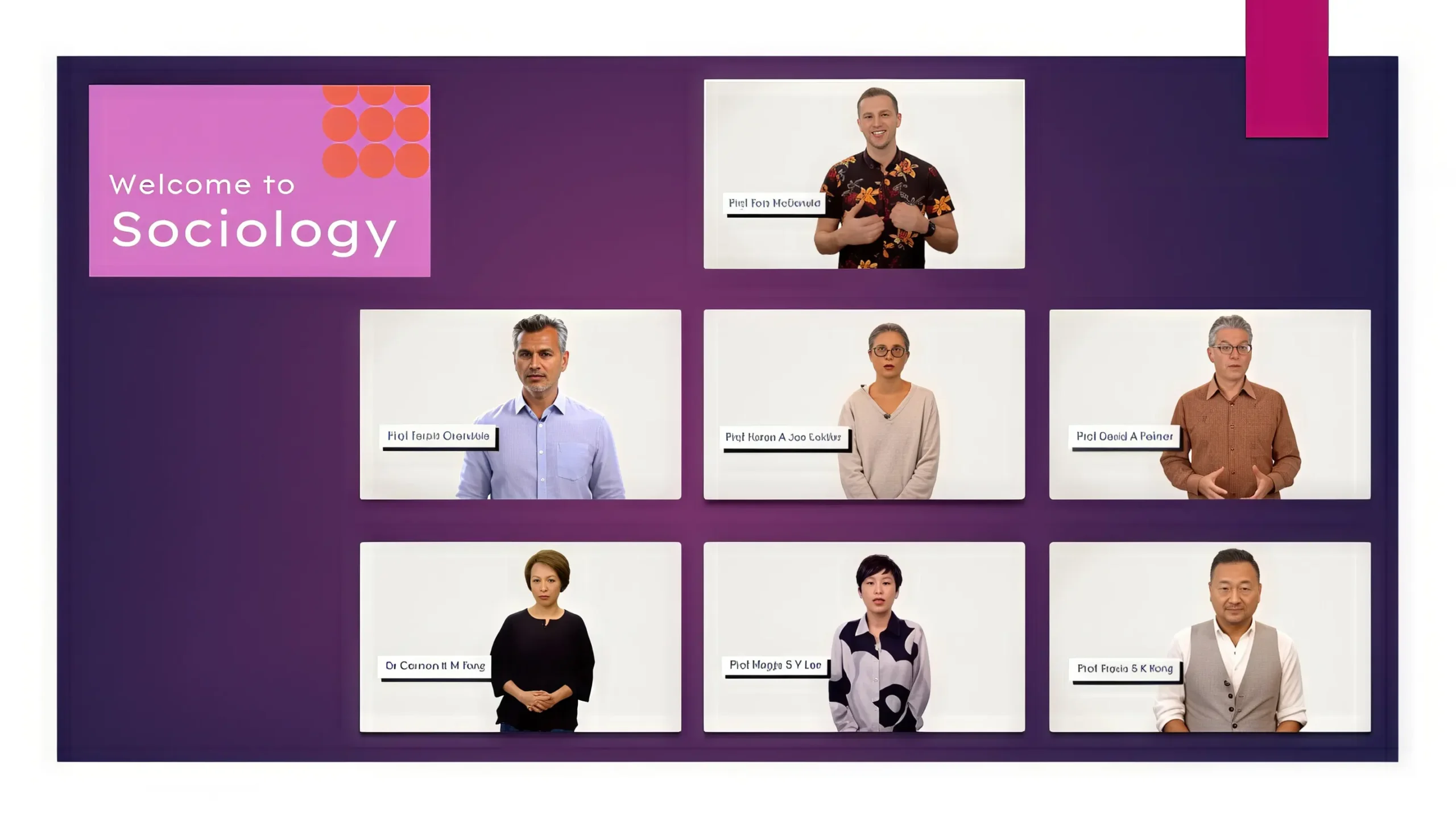
Welcome to Sociology for Postgraduate Students is a pre-sessional online course launched by HKU’s Department of Sociology in collaboration with TALIC. It aims to empower incoming postgraduate students, especially those without prior backgrounds in sociology, by bridging their knowledge gaps. The course engages students through expert-led videos, visual storytelling, and interactive discussions and fieldwork, familiarizing them with postgraduate teaching methods and activities.

Preparing Students for Postgraduate Success

The conception of Welcome to Sociology for Postgraduate Students was driven by a key challenge identified during the programme’s development: how to ensure that students without previous degrees in sociology would be adequately prepared to succeed at the postgraduate level. Recognising the diversity of the incoming cohort, the course was designed to provide a solid foundation in sociological fundamentals within a very tight timeframe—just ten months from initial concept to launch. This initiative marks a significant step in supporting incoming students to the recently introduced Master of Social Sciences (MSocSc) Sociology programme.

Concise and Compelling Videos Stimulate Students’ Engagement

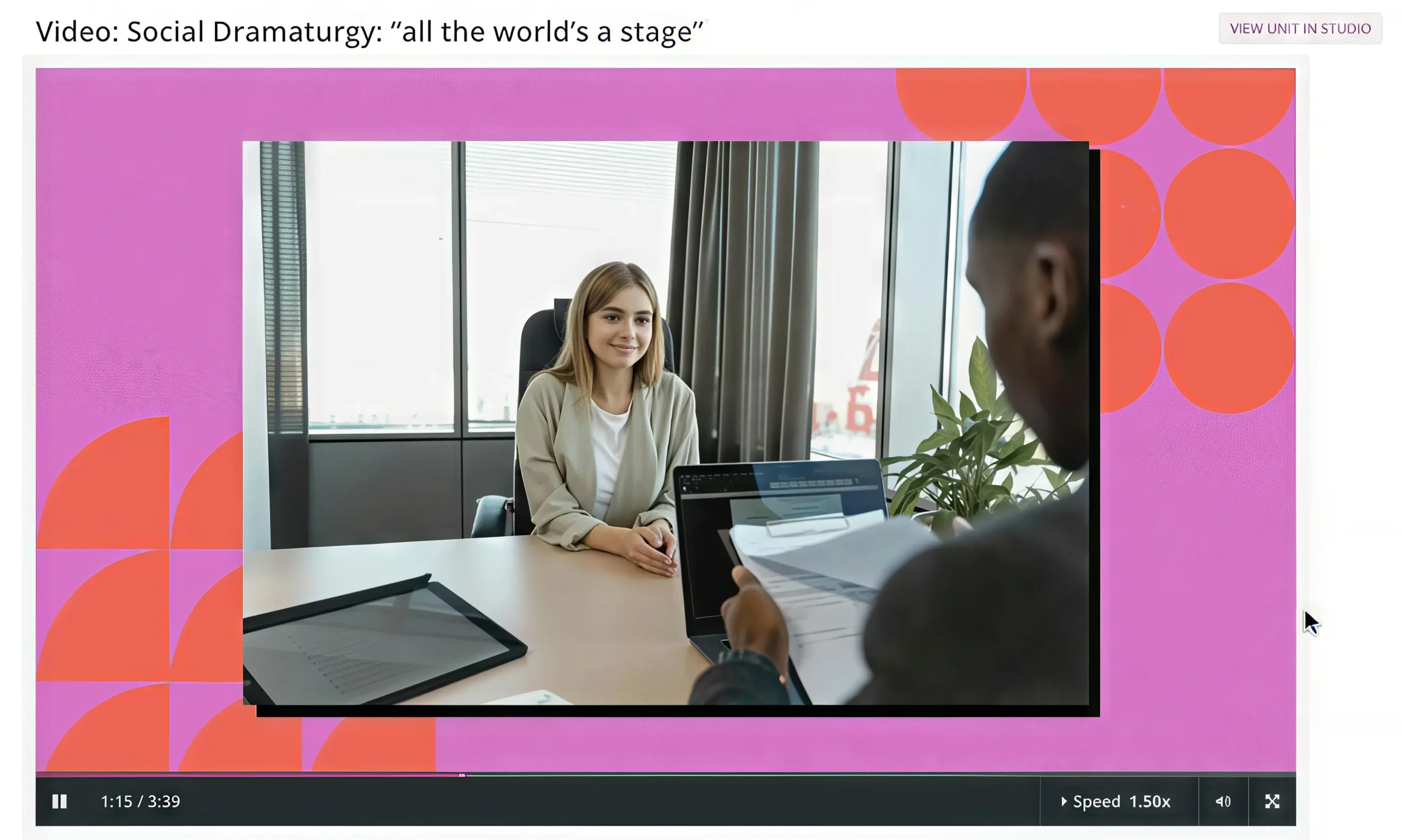
The course design team adopted a straightforward, content-focused approach. The emphasis was on clarity and accessibility–the core of the course comprises a series of simple yet engaging videos led by esteemed faculty members from the Department of Sociology. These videos introduce essential sociological concepts and theories in a manner that is both digestible and compelling.

Visual Storytelling Connects Theories to Social Realities

To enhance understanding of complex ideas, the course employs thoughtfully curated overlays, including clear text and free-to-use imagery. This storytelling approach contextualises sociological theories through real-life social phenomena, making abstract concepts more relatable and easier to grasp.

Professor Tom McDonald
Professor Tom McDonaldAssociate Professor, Department of Sociology
Read More
“Visual storytelling helps learners connect theoretical insights to everyday social issues, fostering a deeper appreciation of the discipline.”

By completing this course, learners will acquire the knowledge, skills, and confidence necessary to thrive in their subsequent Master’s studies. The primary learning objectives are to familiarise students with key areas of sociological inquiry, impart fundamental concepts and theories, and encourage their application to real-world social phenomena.

Multi-faceted Engagement for Diverse Students Experience

Throughout the course, learners benefit from insights provided by various faculty members within the Department of Sociology. Each section is presented by different experts, offering diverse perspectives and enriching the learning experience. This multi-faceted approach exposes students to a broad spectrum of sociological thought, inspiring critical engagement and curiosity.

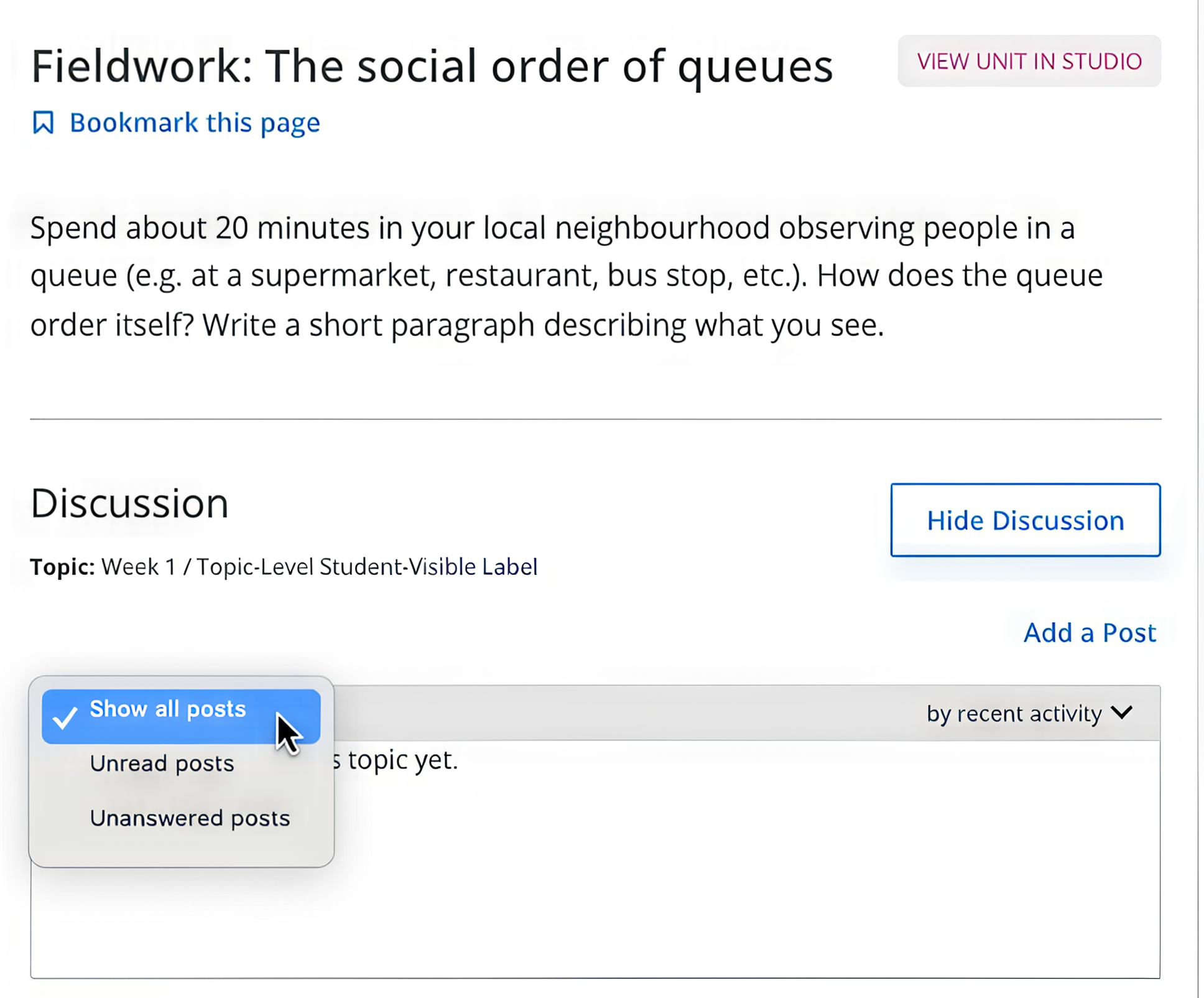
In addition to didactic content, the course features a variety of interactive activities designed to deepen understanding and foster active engagement. These exercises enable learners to apply theories to practical scenarios, interact with peers, and communicate with course instructors. Such engagement ensures that students are not passive recipients but active participants in their learning journey.

The launch of Welcome to Sociology for Postgraduate Students exemplifies HKU’s commitment to innovative, inclusive, and responsive teaching. It sets a precedent for how online education can be harnessed to prepare diverse student cohorts effectively, even within tight timelines and limited resources. As the programme progresses, it is hoped that this course will serve as a model for future initiatives aimed at supporting student success through creative, accessible, and impactful online learning. 

Sociology Education begins with empowering our students with innovative, inclusive and responsive pedagogies from the very start.

For Course Information:

Master of Social Sciences (MSocSc) Sociology Programme

For Course Design and EdTech Support: 

EdTech Consultation

Fostering Feedback Partnerships with Students: Theories, Cases, and Future Directions

Event Details

Date : 15 October 2025 (Wednesday)

Time : 4:00pm – 6:00pm (HK Time) / 9:00am – 11:00am (UK Time)

Online : Zoom

Speaker : Dr. Jessica To, Lecturer, TALIC, HKU

Facilitator : Dr. Mathilde Roger, Associate Professor, Department of Biosciences, Durham University (UK)

Abstract

Feedback is a powerful lever to enhance academic performance. However, National Student Surveys consistently indicate students’ disappointment with assessment and feedback. Recent empirical studies (e.g., Agricola et al., 2019; Ducasse et al., 2023; Xu, 2018) further pinpoint teachers’ lack of confidence and capabilities in engaging students meaningfully in feedback processes.

This session will target at this issue by introducing participants to feedback partnerships whereby students and teachers share power and responsibility to co-create feedback under a psychologically safe environment. The participants will learn about the theoretical foundation and implementation protocol of feedback partnerships, and will understand the affordances and constraints of partnership development. Future directions for feedback partnerships in the Generative Artificial Intelligence (GAI) era will be discussed.

About the Speaker

Dr. Jessica To (FHEA) is a Lecturer at Teaching and Learning Innovation Centre (TALIC), The University of Hong Kong. At TALIC, she is responsible for providing teacher training for new academic staff and research postgraduates, promoting collaborative online international learning and facilitating the use of GAI in teaching, learning and assessment. Her research interests lie in assessment feedback, peer and self-assessment, and dialogic use of exemplars. Her recent project investigates the effect of feedback partnerships on student feedback literacy development. Her publications appear in Assessment & Evaluation in Higher Education, Higher Education Research & Development, and Teaching & Teacher Education, etc.

Co-host

Centre for Academic Development
Durham University (UK)

For information, please contact:

Ms. Miffy LEUNG

Teaching and Learning Innovation Centre

Future Readiness: Online Learning for Student Societies

To help students embrace learning outside the classroom and create a dynamic and inclusive experience, CEDARS LEAF collaborates with TALIC to transform face-to-face Student Society Orientation training into flexible, multimodal Online Learning Modules, allowing students to learn anytime, anywhere, and at their own pace.

The Courses on HKU Online Learning

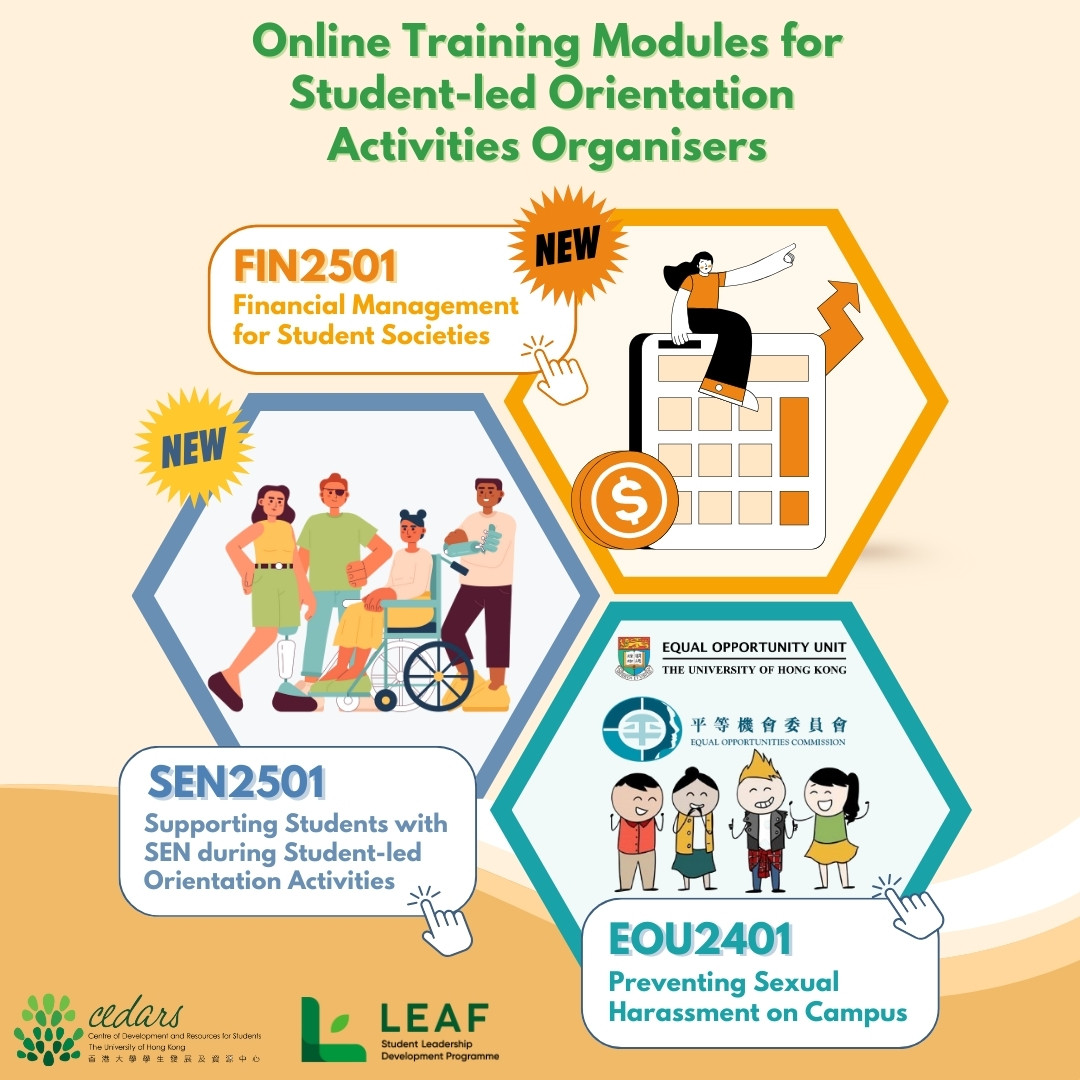
With the support of TALIC, CEDARS has launched two new online courses specifically designed for Executive Committee (ExCo) members of student societies that organise student-led orientation activities to welcome new students in the summer. 

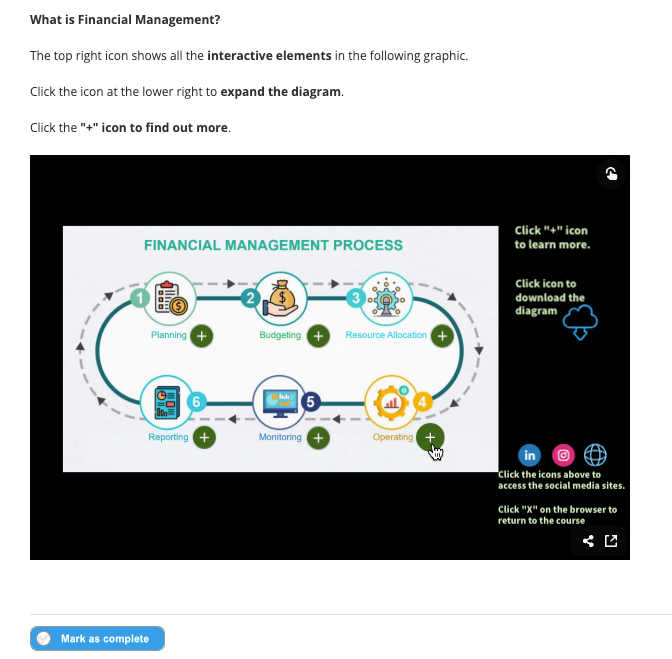
  • The first course, FIN2501 Financial Management for Student Societies, aims to shed light on the importance of financial management to student organisations, extend their knowledge and skills on good financial management practices, such as financial management principles, budgeting, operational considerations, governance, reporting standards, and funding applications, etc. The course also strengthens the student organisers’ risk control awareness through case studies, covering critical areas such as the falsification of financial records and embezzlement.
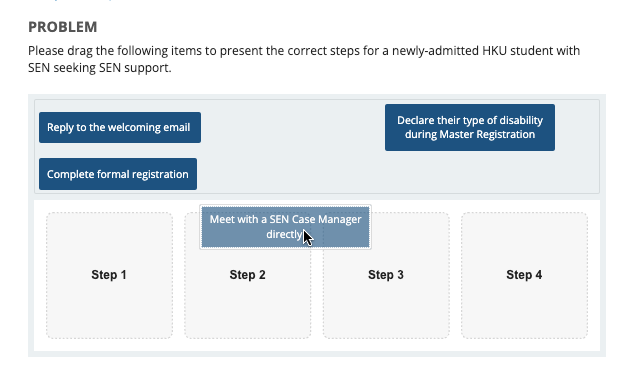
  • The second course, SEN2501 Supporting Students with Special Educational Needs (SEN) During Student-led Orientation Activities, aims to equip student leaders with the necessary knowledge and skills to effectively support participants with SEN. Key topics include identifying diverse SEN needs, utilising available university resources for support, and practical strategies for ensuring inclusivity and accessibility within all student-led activities in alignment with the HKU Equal Opportunity Policy.
Centre of Development and Resources for Students
Centre of Development and Resources for Students @hku.cedars
Read More
“Approximately 500 students from 120 student societies are expected to enroll in both courses. This projected participation accounts for a substantial 85% of the total number of student societies, underscoring the significant reach of the training courses."

Flexible Learning at the Student’s Own Pace

Each course is designed to be completed in approximately one hour or less, and upon successful completion, students are awarded a digital certificate. Crucially, the online format provides unparalleled flexibility, allowing students to learn at their own pace and convenience—whether they choose to complete a module in a single session or in phases.

The online modules address a key challenge in student training. The courses are intended for students to complete before they organise their orientation activities in the summer. However, many students have packed summer schedules due to internships, exchange programs, or other commitments, making attendance at fixed face-to-face training sessions difficult, as our previous experience has shown. The online format offers a highly suitable alternative, providing the flexibility for students to learn anytime, anywhere, and at their own pace. This ensures they can acquire these essential skills without conflicting with their other summer engagements, a significant advantage over less flexible traditional training methods.
Disseminate Vital Training to Foster Student Leadership

Student Leaders and Incoming Students

  • University Learning: The practical application of financial management and inclusive leadership skills enhances the quality and impact of student-led activities, contributing to a more vibrant and well-rounded university experience for the entire student body. Student leaders themselves gain invaluable hands-on experience in organization and leadership.
  • Personal Growth: Engaging with these modules fosters a strong sense of responsibility, ethical awareness (from FIN2501), and empathy and inclusivity (from SEN2501). These are cornerstones of personal development, honing students’ leadership capabilities, problem-solving acumen, and interpersonal effectiveness.
  • Lifelong Learning: The principles of diligent financial management, unwavering ethical behavior, and a deep-seated understanding of and commitment to supporting diversity are highly transferable skills. These competencies are invaluable not only during their university careers but also in their future

CEDARS

Online modules empower CEDARS to disseminate vital training to a broad audience of student leaders in a more consistent and cost-effective manner. Fees incurred for venue, logistics and trainers in physical training workshops can be saved to better focus on improving the teaching content and method.

The Wider University Community 

The impact of these modules extends to the broader university community. Well-trained student leaders contribute to more responsibly governed and financially accountable student societies. Furthermore, enhanced awareness and skills in supporting students with SEN foster a more inclusive, equitable, and supportive campus culture, reflecting HKU’s commitment to equality of opportunity. This collaboration also highlights a successful synergy between CEDARS and TALIC in leveraging educational technology for student advancement.

Unified Effort in Preparing Our Students for the Future

Content Contributors

The development of the content for both the FIN2501 and SEN2501 online modules was led by the CEDARS-LEAF Student Leadership Development Programme. A notable aspect of this development process was the active involvement and valuable assistance of student leaders, ensuring the courses are practical and resonate with the student experience.

  • For FIN2501 Financial Management for Student Societies, the course content benefited from the insights of a Year 2 undergraduate student who served as the chairperson of an academic society. The Course Consultant was Professor Winnie Leung, Associate Professor of Teaching at the HKU Business School, who brought her extensive experience in financial reporting and accounting.
  • For SEN2501 Supporting Students with SEN During Student-led Orientation Activities, the development was assisted by a Year 3 undergraduate student who uses a wheelchair, bringing firsthand perspective to the module’s content. The Course Consultants were CEDARS-SEN Support and the Equal Opportunity Unit, both of which provided critical insights into supporting students with diverse needs and the importance of the Equal Opportunity Policy and relevant procedures to follow.

Course Design and Technology Support

The TALIC team supports the course design of the CEDARS-LEAF Student Leadership courses and provides technical support in disseminating the contents on HKU Online Learning via the Open edX platform. 

TALIC instructional designers collaborate with CEDARS LEAF content contributors to create multimedia and multimodal learning experiences aligned with the course learning objectives. The online course consists of flexible micro modules compiling visuals, interactive activities, videos, knowledge-check quizzes, and assessments, to foster a dynamic and inclusive learning environment. The online modules engage students in active participation and help them take control of their learning at their own pace.

New Technology to Support Student Learning Beyond the Classroom

Before the development of the two online training modules, CEDARS has previously received reports from student societies concerning financial losses stemming from improper record-keeping. Additionally, complaints have been received from students with Special Educational Needs (SEN) regarding a lack of equal opportunities to participate fully in orientation activities. Therefore, these courses directly address known challenges and are designed to proactively equip student leaders with the necessary skills and awareness.


Therefore, the online modules are anticipated to yield several significant positive impacts:

  • Enhanced Governance and Financial Stewardship: A marked improvement in the governance and financial health of student societies.
  • More Inclusive and Supportive Activities: The fostering of more inclusive, accessible, and supportive student-led activities, especially during the critical orientation period.
  • Developed Student Leadership: An elevation in the leadership skills and awareness among student leaders concerning financial diligence, ethical conduct, and the principles of inclusivity.
  • Positive Campus Environment: Contribution to a more positive, equitable, and supportive campus experience for all students.
  • Showcasing Successful Collaboration: A clear demonstration of the fruitful collaboration between CEDARS and TALIC in advancing student learning, personal growth, and leadership development through the innovative use of educational technology.

For Course Information:

CEDARS-LEAF Student Leadership Development Programme

For Course Design and EdTech Support: 

EdTech Consultation