
Beyond Gaming, DISCORD for Student Learning

In today’s dynamic learning environment, effective collaboration and communication among students and faculty is crucial. Space, time, student mobility, class size, and classroom settings are prime factors to consider when conducting collaborative group activities in a traditional classroom. Integrating technology is a great way to address these factors and create an active and collaborative learning space in the modern classroom.

This blog post explores the potential of Discord, a platform initially known for gaming communities, as a powerful tool for fostering collaborative learning and discussion within higher education settings. We will examine its features and demonstrate its applicability for various academic activities, drawing on specific examples to highlight its effectiveness.

Discord: A Versatile Platform Beyond Gaming
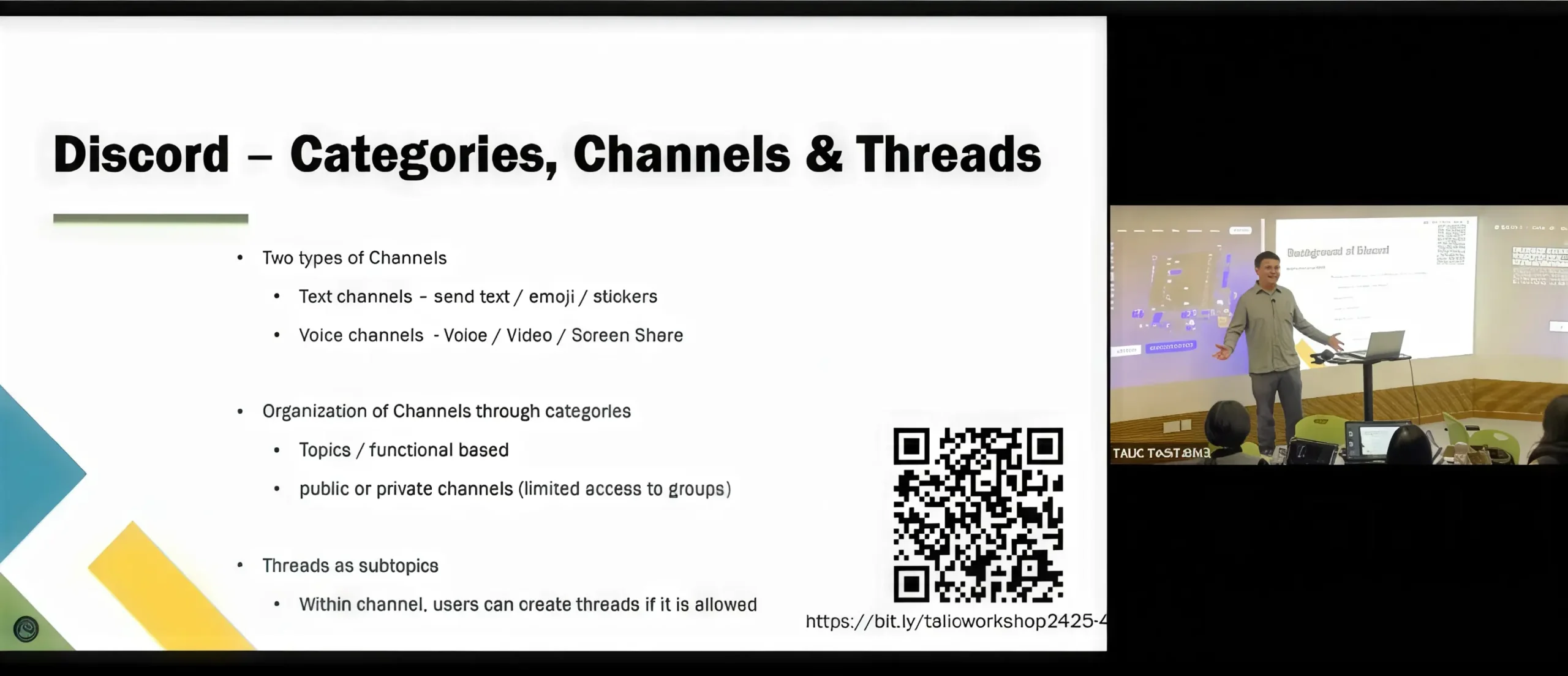
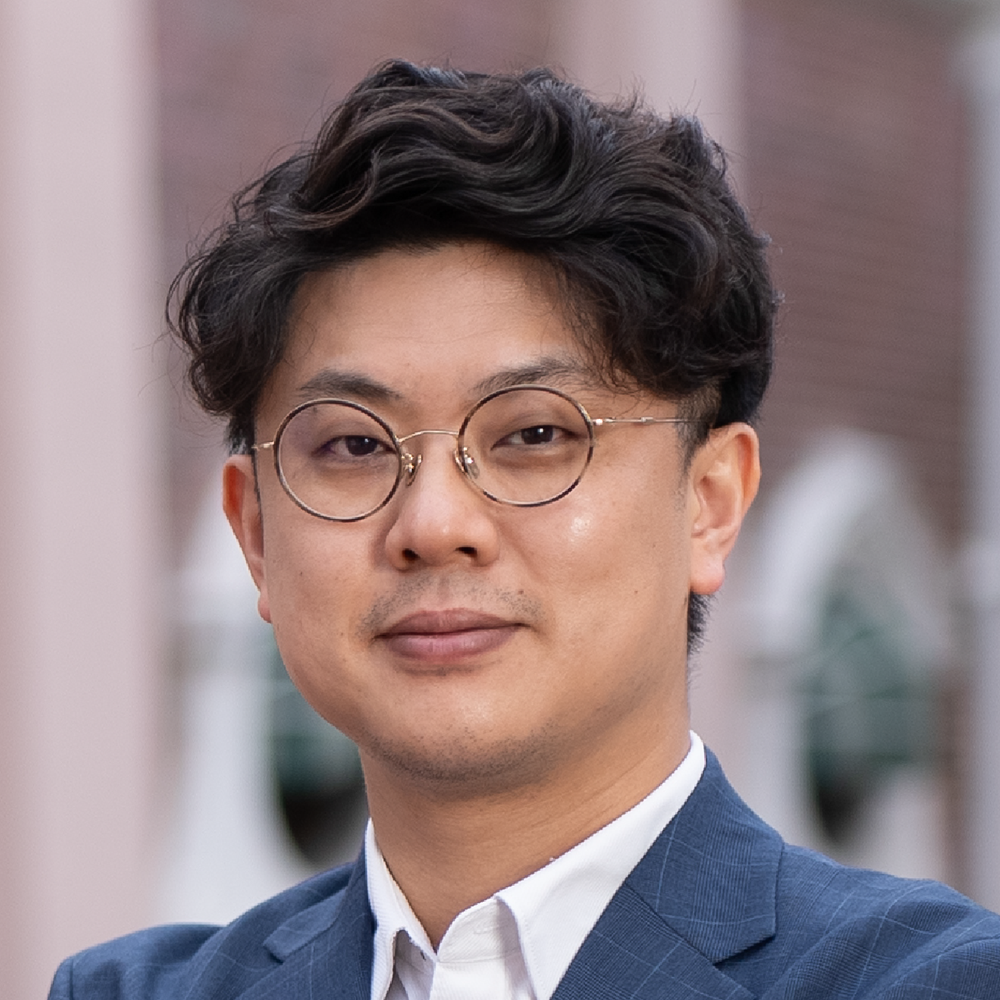
In a recent Discord workshop, Dr. Carson Hung of TALIC introduced the functionalities of Discord that make it ideal for creating virtual learning environments for both large-scale and small-scale group activities, as well as discussions that cater to diverse learning experiences and preferences. Discord, often perceived as only a gaming platform, offers robust communicative features and versatile functionalities stemming from its capacity to create customised servers and organize channels for specific roles and purposes. Generally, a Discord server enables users to create up to 500 voice and text channels and as many as 50 different categories. These versatile capabilities offer a dynamic environment that facilitates both synchronous and asynchronous interactions (Uong et al., 2022).

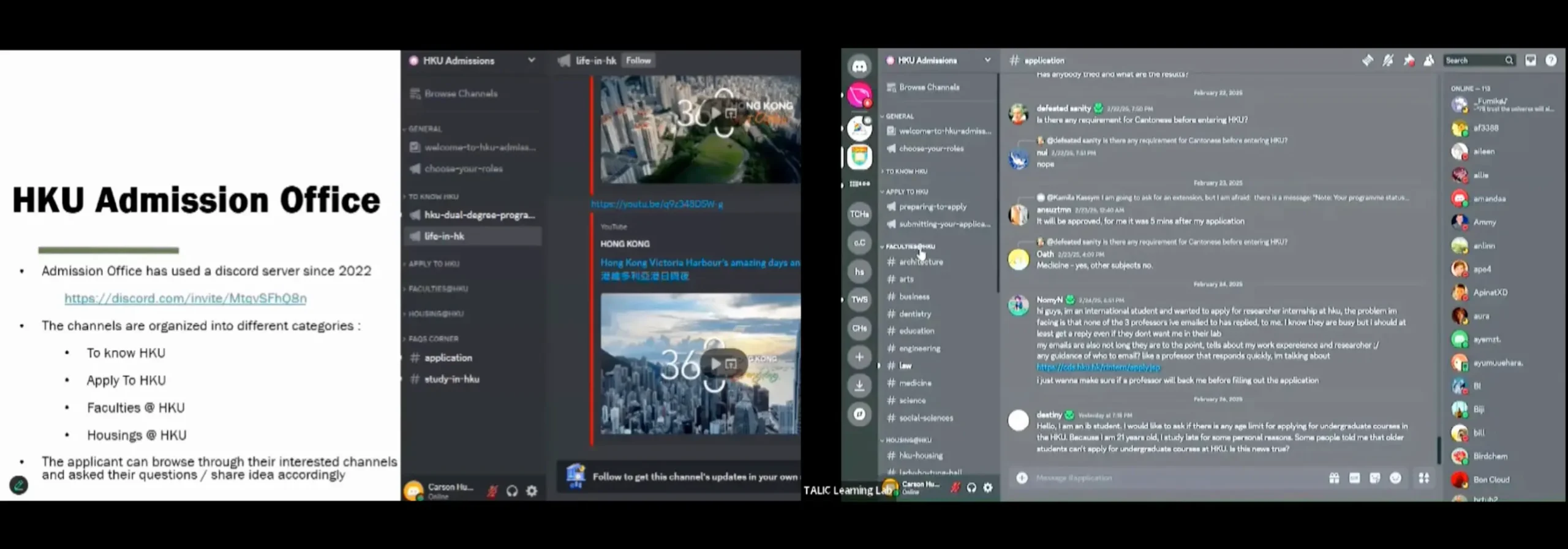
Discord’s meticulous categories and channels help maintain clarity and facilitate easy navigation for students immersed in a large pool of information. For instance, the HKU Admission Office has a Discord server that answers questions from incoming and new students and helps them find information from an array of supports and services, from applying to HKU to student housing, academic support, student activities, and more.
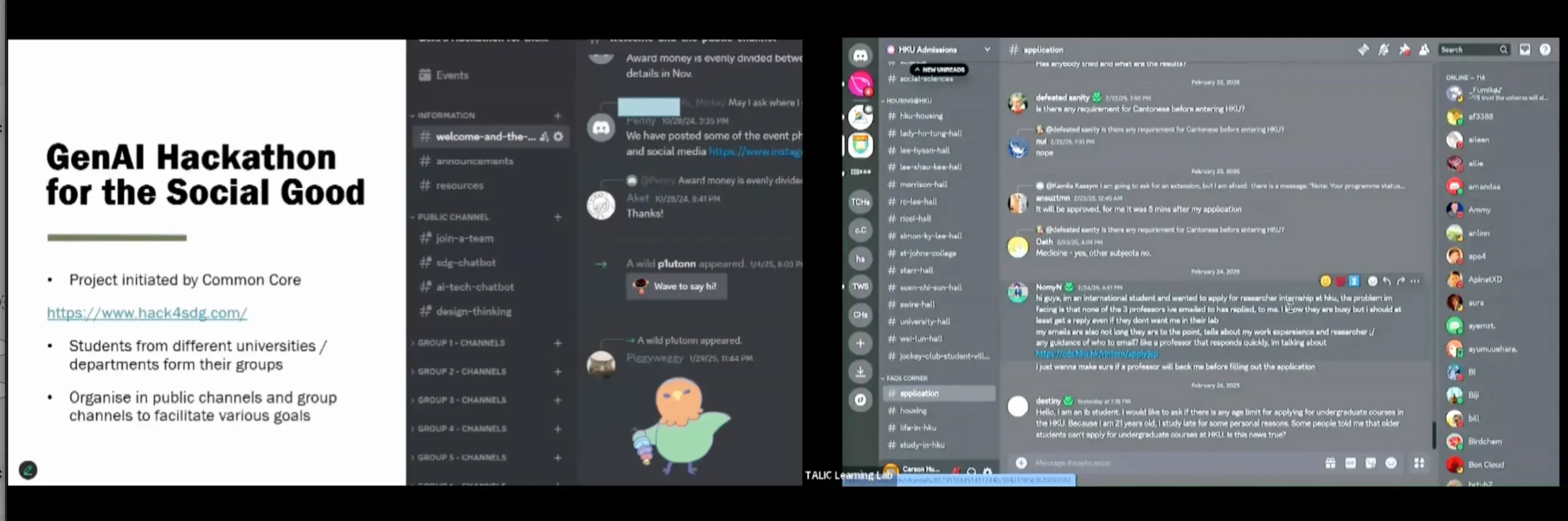
Furthermore, Discord’s versatile communication channels and easily managed role-based permissions system provide robust support for large-scale university projects such as the GenAI Hackathon for the Social Good, which utilizes Discord to engage students across different universities in a cross-institutional collaboration project. 

Moreover, the integration of artificial intelligent apps and chatbots significantly expands Discord’s capabilities. For instance, Discord integrates the popular text-to-image generative AI bot, Midjourney, to generate images. Other chatbots, such as ChatGPT, writing, and summary assistants, can potentially provide a comprehensive learning experience in their communicative group projects.

Facilitating Collaborative Learning Activities

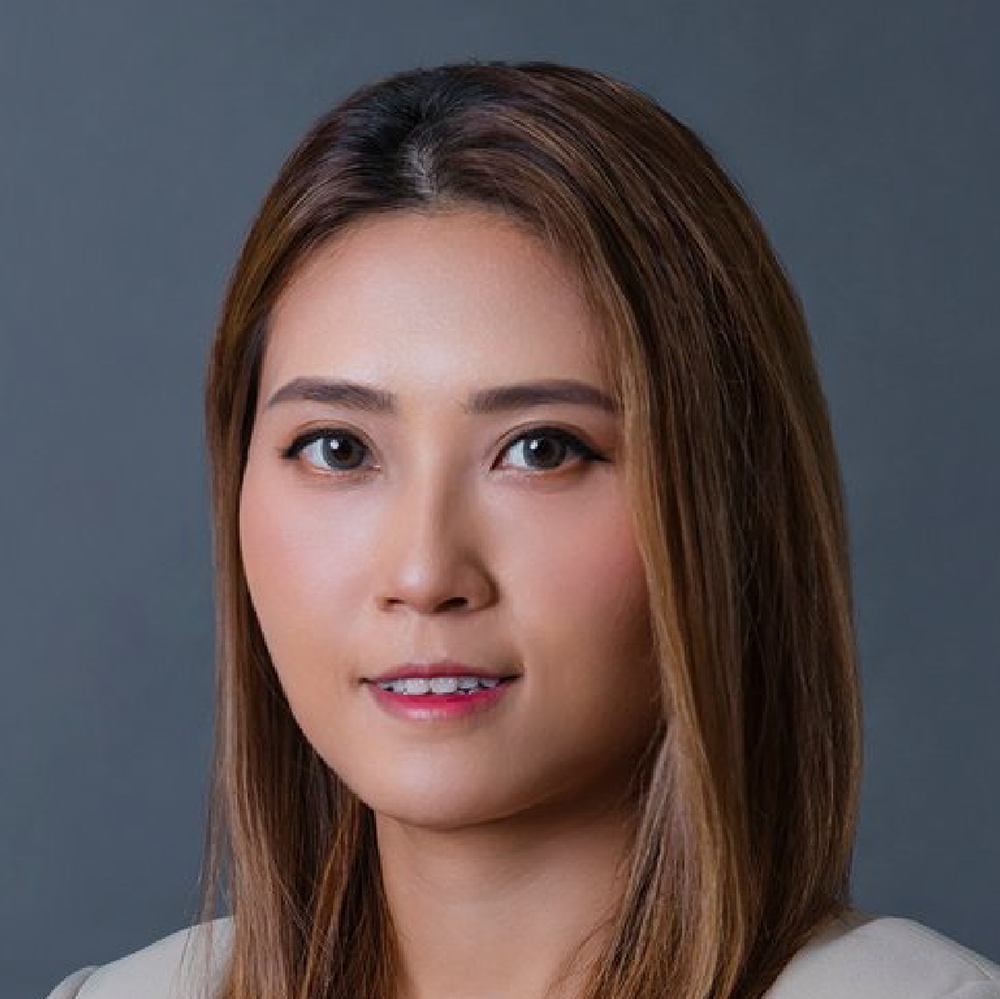
In the Discord Workshop, Ellen Seto of TALIC leverages the diverse functionalities of the Discord platform to engage teachers and participants to role-play two group activities. These include a synchronous small group debate and an asynchronous class discussion. Teachers quite often engage students in similar types of group activities in face-to-face format in a classroom.
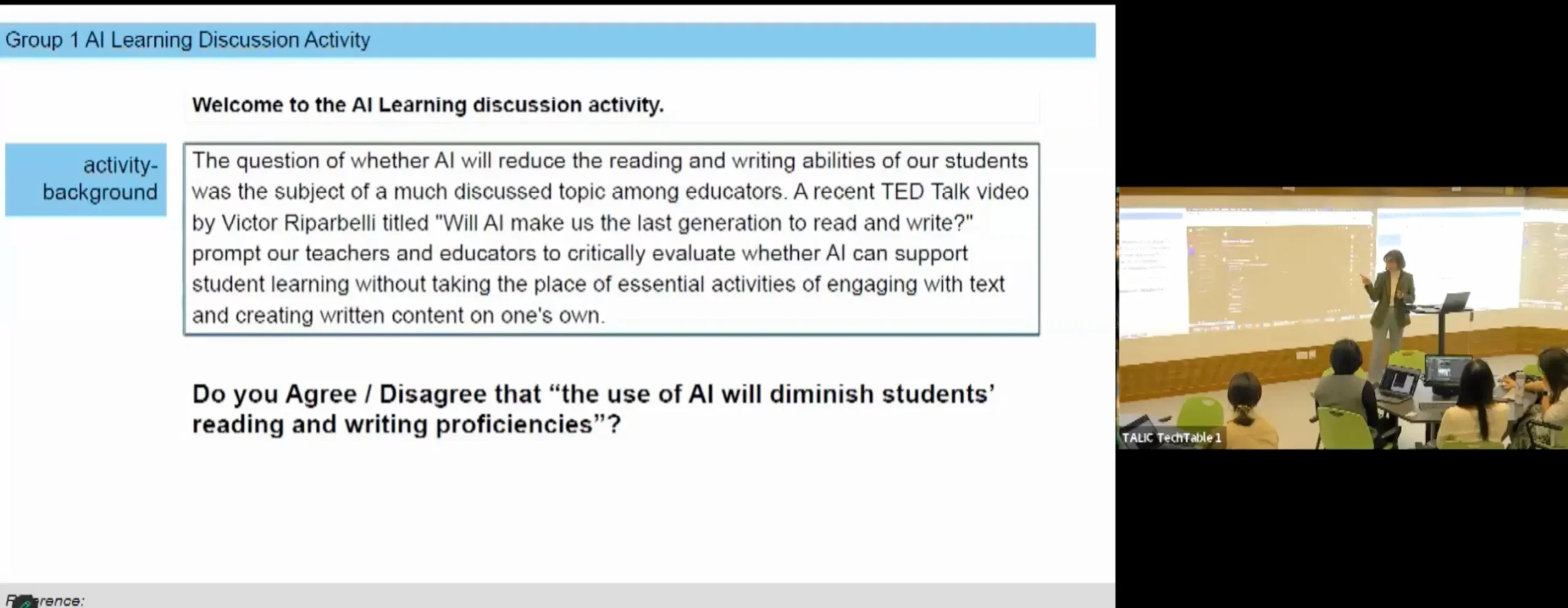
Conducting synchronous group activity on the Discord server requires online platform management. Discord’s role-based permissions system enables teachers to manage and facilitate student participation through setting and assigning multiple functional roles and access specifications for students’ group work. Teachers can monitor synchronous and asynchronous activities when students post, moderate, or delete messages on Discord channels and discussion threads, encouraging a safe and inclusive learning environment.

In a synchronous group debate activity in the workshop, the participants first take a stance on whether they agree or disagree that the use of AI will diminish students’ reading and writing proficiencies and join the discussion channel on Discord that supports their stance. Customized text channels in Discord facilitate the participants engagements and interactions with their peers in a synchronous discussion, allowing them to present and share text, audio, and graphic files, and give instant feedback to peers in their designated text and voice channels. In the process, students also engage in information search, sorting, organizing, critically evaluating evidence, and correctly citing references; these are all important aspects of evidence-based learning in collaborative argumentation (Mayweg-Paus et al., 2021). A GPT chatbot is integrated into the Discord server to support real-time collaborative discourse.
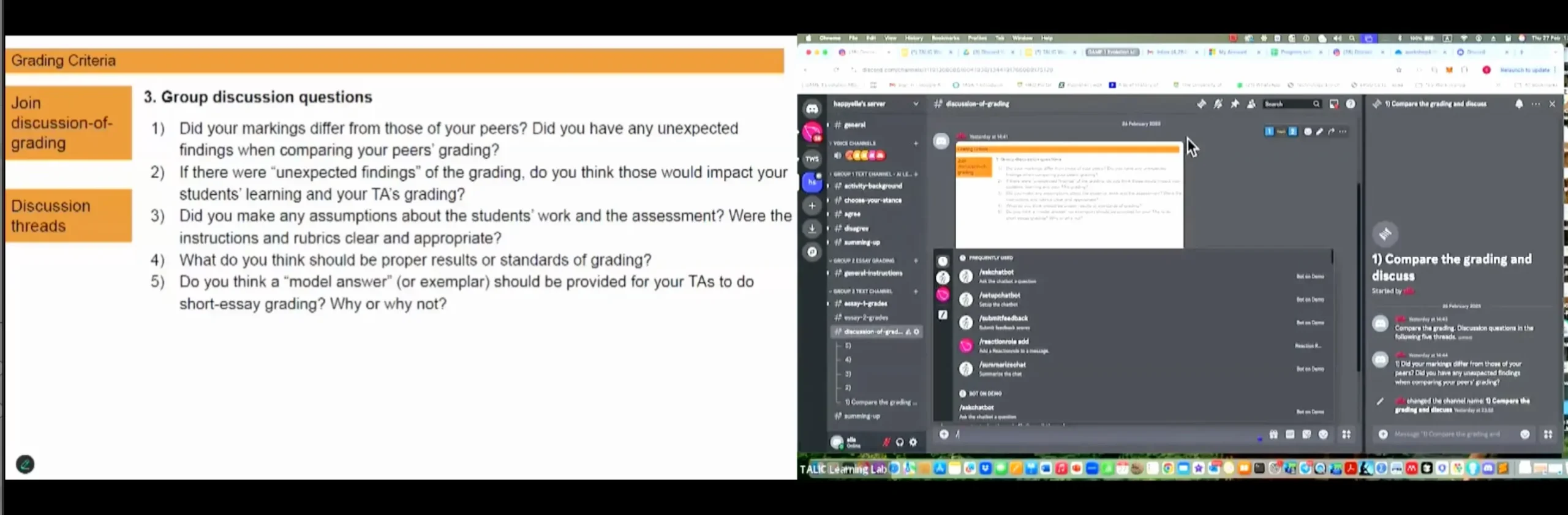
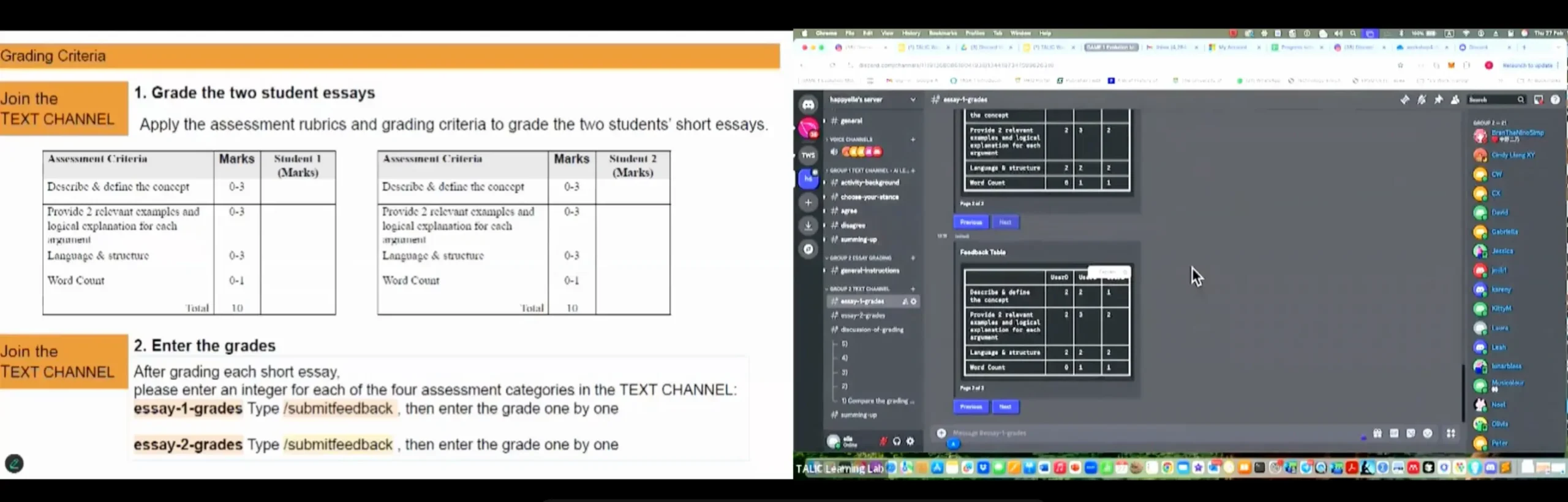
Asynchronous multi-channel discussion of an essay-grading activity for peer review and feedback provides a structured environment for constructive criticism. Furthermore, the integration of a ‘Summarize’ chatbot enabled participants to recount key ideas and findings of the group and class discussions in a logical and organized manner. This can facilitate further learning and help to identify future areas of interest or exploration.

Future Potential

Discord offers a powerful and flexible environment for collaborative learning and discussion. While first-time users of a multi-channel Discord server may find it overwhelming, with proper planning and moderation, these challenges can be overcome, revealing its potential to transform the future academic experience.

Reference

  • Park, E.L., Choi, B.K. Transformation of classroom spaces: traditional versus active learning classroom in colleges. High Educ 68, 749–771 (2014). https://doi.org/10.1007/s10734-014-9742-0
  • Uong, T. G. T., Nguyen, D. K., & Nguyen, H. N. (2022). Teachers’ feedback on using Discord as an online learning platform. International Journal of TESOL & Education, 2(4), 84-104.

Ellen SETO

Senior Lecturer / Senior Instructional Designer
Teaching and Learning Innovation Centre

Unlock the Potential of AI in Feedback Designs

The emergence of GenAI has brought a paradigm shift to various industries, in particular education. Educators and researchers are working hard to harness the power of this transformative technology and actively exploring the potential of GenAI in various aspects of teaching and learning. Dr Jessica To is one of the pioneers examining the role of GenAI in developing student feedback literacy. She investigates how GenAI could be better applied to increase students’ capability to interpret and enact feedback. Her extensive research experience in assessment feedback, peer and self-assessment, dialogic use of exemplars, and educational innovations has laid a strong foundation for exploring the role of GenAI in feedback designs. Her research works have been published in various high-impact academic journals, for instance, Assessment and Evaluation in Higher Education, Higher Education Research and Development, Teaching and Teacher Education, etc.

Practical Advice in the Age of AI

GenAI, in particular, ChatGPT is a useful tool to support student learning. It offers personalised feedback, recommends learning resources according to individual students’ progress, and encourages their seeking of academic assistance in a psychologically safe environment. It could also promote critical thinking and self-assessment skills when they are guided to compare their drafts with AI-generated materials and reflect on their own performance. Personalised feedback caters for individuals’ learning needs and empowers them to actively engage in their own learning journey. Despite the immense benefits of GenAI, Dr To emphasises that the considerable potential of GenAI may not be realised unless teachers possess the knowledge and capacity to incorporate GenAI in the curriculum. In the age of AI, it is advisable for teachers to:

  1. understand the constraints on one’s existing pedagogical context and selecting suitable GenAI tools to circumvent the limitations;
  2. learn the pedagogical use of GenAI through trial and error;
  3. participate in GenAI-related forums, workshops or seminars to exchange experience; and
  4. realise and address the ethical concerns about using GenAI.

Dr. To is committed to support HKU’s teaching fraternity in designing innovative and effective pedagogical, assessment and feedback practices, and promoting evidence-based initiatives to improve teaching and learning. She is eager to share her expertise and collaborate with academic staff in the University to strive for excellence in teaching learning and feedback practices.    

Dr. Jessica Kar Yan TO

Lecturer
Teaching and Learning Innovation Centre 

Conducting Teaching Observations and Providing Constructive Feedback for Summative Peer Review of Teaching: A Workshop for Peer Reviewers

Event Details

PLEASE CHOOSE 1 SESSION:
DateTime
Session 129 September 2025 (Monday)12:00pm - 1:30pm
Session 217 November 2025 (Monday)12:00pm - 1:30pm

Venue : Learning Lab (RRS 321, 3/F, Run Run Shaw Building, Main Campus, HKU)

Facilitator : Dr. Jannie Roed, Director, TALIC

Abstract

This peer reviewer workshop is compulsory for all University of Hong Kong staff members who will act as peer reviewers. We have scheduled two sessions in Semester 1, academic year 2025-26. Please choose one session to attend, as the content will be the same for all sessions. If none of these sessions work for you, please contact Dr. Jannie Roed to arrange a one-to-one consultation.

If you have attended the previous reviewer workshop with the same title, or have completed the online course “Introduction to Summative Peer Review of Teaching” available at HKU Online Learning until 31 December 2024, you do not need to attend any of these sessions or schedule a one-to-one consultation.

This workshop will help participants understand the role of a summative peer reviewer. Participants will have the opportunity to gain hands-on experience in applying standards and qualities of good teaching. To make the most of the workshop, all participants must bring along a copy of the Summative Peer Review of Teaching Form used in their own faculty.

For information, please contact:

Ms. Canice MOK

Teaching and Learning Innovation Centre

Teaching Portfolio Workshop Series

Event Details

Date : 6 Jun (Fri) & 25 Sep (Thu) 2025

Time :

  • [Workshop 1] 12:30pm – 2:00pm (HKT)
  • [Workshop 2] 12:00pm – 1:45pm (HKT)

Venue : Learning Lab (RRS321, 3/F, Run Run Shaw Building, Main Campus, HKU)

Abstract

Two teaching portfolio workshops will be offered. The workshops are open to all teaching staff who are interested in finding out more about compiling teaching portfolios, which are often required for promotion, tenure application, and job applications. How to compile a portfolio for applying for the University’s Teaching Excellence Award (TEA) will be covered in the second workshop scheduled in September. You can choose to attend the workshop(s) depending on your needs. For instance, it is not necessary to attend Workshop 1 before Workshop 2.

The maximum quota for each workshop is 25 participants. Once the maximum quota is reached, you may join the waiting list via the same registration link. Rest assured, you will be contacted immediately if spots become available.

Date : 6 Jun 2025 (Fri)

Time : 12:30pm – 2:00pm (HKT)

Venue : Learning Lab (RRS 321 Run Run Shaw Building, Main Campus, HKU)

Facilitator : Dr. Jannie Roed, Director, TALIC, HKU

Abstract

All academics have a curriculum vitae (CV), but few have a teaching portfolio. This workshop focuses on how to structure a teaching portfolio, what to include (e.g., reflections on professional development and leadership initiatives you have undertaken), and how to collect evidence of teaching effectiveness.

Date : 25 Sep 2025 (Thu)

Time : 12:00pm – 1:45pm (HKT)

Venue : Learning Lab (RRS 321 Run Run Shaw Building, Main Campus, HKU)

Guest Speaker : Ms. Tanya Kempston, PGDE Programme Director and Senior Lecturer, Academic Unit of Language and Literacy Education, Faculty of Education, HKU

Consultants :

  • Dr. Law Ka Ho, Associate Head (Teaching & Learning) and Lecturer, Department of Mathematics, Faculty of Science, HKU
  • Dr. Mei Li Khong, Lecturer and Digital Education Consultant, School of Biomedical Sciences and School of Clinical Medicine, Li Ka Shing Faculty of Medicine, HKU
  • Ms. Stephanie Biedermann, Senior Lecturer, Faculty of Law, HKU

Facilitator :

  • Dr. Jannie Roed, Director, TALIC, HKU
  • Prof. Lillian Luk, Assistant Professor, TALIC, HKU

Abstract

The first hour of the workshop focuses on the specific teaching portfolio needed to apply for one of the University’s teaching excellence awards. You will be guided through the criteria and advised on how to present your case in the most effective manner. The workshop will also cover the next steps for unsuccessful candidates.

In the following 45 minutes, three Teaching Excellence Award (TEA) winners – Dr. Law Ka Ho, Dr. Mei Li Khong and Ms. Stephanie Biedermann will share with us their experiences in applying for the award. After the sharing session, they will be available for small-group consultations. To help us distribute participants evenly, please indicate your preferred consultant in the registration form. We will do our best to accommodate to your preference.

About the Guest Speaker

Ms. Tanya Kempston is a Senior Lecturer in the Faculty of Education and Programme Director of the Postgraduate Diploma in Education (PGDE) programme in her Faculty. She has been teaching at HKU since 2008 and was awarded the University Teaching Innovation Award in 2021 and University Outstanding Teaching Award in 2018.

About the Consultants

Dr. Law Ka Ho is the Associate Head (Teaching & Learning) and a Lecturer in the Department of Mathematics in the Faculty of Science. He is the winner of the 2024 Outstanding Teaching Award.
Dr. Mei Li Khong (SFHEA) is the Lecturer / Digital Education Consultant at the School of Clinical Medicine and School of Biomedical Sciences at The University of Hong Kong (HKU). Her involvement at HKU has broadened to medical education more generally, ranging from transdisciplinary projects to incorporating blended learning into the medical curriculum through modified flipped classrooms, redesigned online learning environments, and optimised educational technology. Dr. Khong is involved in multiple teaching development projects. In these projects, she is especially passionate about exploring the possibilities of student-educator partnership in teaching and learning, where students and faculty collaborate to co-design curriculum and pedagogy. She advocates using the transformative potential of student-educator partnership in shifting learning perspectives and bringing about student-centred improvements to a curriculum. She is currently spearheading the student-educator partnership initiative in curriculum development and pedagogical innovations, across the LKS Faculty of Medicine. Her team’s overarching initiative on student-educator partnerships and interdisciplinarity was awarded Global Bronze and Global Silver in QS Reimagine Education Awards 2023 and 2024, respectively. She is also the recipient of the Early Career Teaching Award 2022, Teaching Innovation Award 2023, and Faculty Teaching Medal 2024.

Ms. Stephanie Biedermann is a Senior Lecturer in the Faculty of Law and is a US-licensed lawyer. She was awarded the Early Career Teaching Award at the University’s Teaching Excellence Awards 2024.

She specializes in international law, immigration, forced migration, and discrimination issues, particularly for refugees, asylum-seekers, and migrant workers. Her legal experience includes work in the US, the Middle East, and Hong Kong, with a focus on public interest law and access to justice issues as they relate to individual client services, policy decisions, and the development of clinical opportunities for law students.

At HKU, Stephanie teaches across a variety of subject areas. She has helped build the Law, Innovation, Technology and Entrepreneurship (LITE) program, which creates opportunities for students to gain practical and transactional experience in Hong Kong, research relevant legal issues, and assist local companies and NGOs. She also teaches courses in human rights, refugee law, and legal writing and research.

Stephanie holds a J.D. from Yale Law School, a B.A. in English from Princeton University, and is admitted to the State Bar of California, USA.

Dr. Law Ka Ho is the Associate Head (Teaching & Learning) and a Lecturer in the Department of Mathematics in the Faculty of Science. He is the winner of the 2024 Outstanding Teaching Award.
Dr. Mei Li Khong (SFHEA) is the Lecturer / Digital Education Consultant at the School of Clinical Medicine and School of Biomedical Sciences at The University of Hong Kong (HKU).
Her involvement at HKU has broadened to medical education more generally, ranging from transdisciplinary projects to incorporating blended learning into the medical curriculum through modified flipped classrooms, redesigned online learning environments, and optimised educational technology. Dr. Khong is involved in multiple teaching development projects. In these projects, she is especially passionate about exploring the possibilities of student-educator partnership in teaching and learning, where students and faculty collaborate to co-design curriculum and pedagogy. She advocates using the transformative potential of student-educator partnership in shifting learning perspectives and bringing about student-centred improvements to a curriculum. She is currently spearheading the student-educator partnership initiative in curriculum development and pedagogical innovations, across the LKS Faculty of Medicine. Her team’s overarching initiative on student-educator partnerships and interdisciplinarity was awarded Global Bronze and Global Silver in QS Reimagine Education Awards 2023 and 2024, respectively. She is also the recipient of the Early Career Teaching Award 2022, Teaching Innovation Award 2023, and Faculty Teaching Medal 2024.
Ms. Stephanie Biedermann is a Senior Lecturer in the Faculty of Law and is a US-licensed lawyer. She was awarded the Early Career Teaching Award at the University’s Teaching Excellence Awards 2024.

She specializes in international law, immigration, forced migration, and discrimination issues, particularly for refugees, asylum-seekers, and migrant workers. Her legal experience includes work in the US, the Middle East, and Hong Kong, with a focus on public interest law and access to justice issues as they relate to individual client services, policy decisions, and the development of clinical opportunities for law students.

At HKU, Stephanie teaches across a variety of subject areas. She has helped build the Law, Innovation, Technology and Entrepreneurship (LITE) program, which creates opportunities for students to gain practical and transactional experience in Hong Kong, research relevant legal issues, and assist local companies and NGOs. She also teaches courses in human rights, refugee law, and legal writing and research.

Stephanie holds a J.D. from Yale Law School, a B.A. in English from Princeton University, and is admitted to the State Bar of California, USA.

For information, please contact:

Ms. Miffy Leung

Teaching and Learning Innovation Centre

A Collaborative Online Platform for Student Portfolios and Knowledge Building

Event Details

Date : 22 Sep 2025 (Monday)

Time : 12:30pm – 1:30pm

Venue: Learning Lab (RRS 321, 3/F, Run Run Shaw Building, Main Campus, HKU)

Speakers :

  • Professor Mihai Tarce, Clinical Assistant Professor, Division of Periodontology and Implant Dentistry, Faculty of Dentistry, HKU
  • Professor Joshua Jing Xi Li, Clinical Assistant Professor, Department of Pathology, School of Clinical Medicine, Li Ka Shing Faculty of Medicine, HKU
  • Professor Andrew Nalley, Clinical Assistant Professor in Oral and Maxillofacial Radiology, Division of Applied Oral Sciences & Community Dental Care, Faculty of Dentistry, HKU
  • Professor Carol Chan, Honorary Professor, Faculty of Education, HKU

Facilitator: Dr. Jessica To, Lecturer, TALIC, HKU

Abstract

Case discussion, student progress tracking and multi-disciplinary collaboration are cornerstones of undergraduate dentistry. Portfolio, a recently introduced internally developed online platform, is helping students at the Faculty of Dentistry develop and manage their case portfolios using the latest digital tools, by integrating many media formats (images, videos, 3D models, 3D radiographs, histology images and more). Furthermore, it allows for interactive case discussion, peer learning, multi-disciplinary collaboration and feedback. Yearly assessments are also being integrated into the platform, enabling tutors to have a better overview of their students’ progress. Colleagues from the Faculty of Medicine and the Faculty of Education have now also started using the platform with their students, suggesting potential use cases beyond dentistry. It currently contains over two thousand cases and 29 thousand uploaded images.

We will be introducing the platform and briefly discussing our experience so far, the core principles behind it as well as our future plans. Participants will learn about how the project has transformed discussions at our faculty and determine whether the platform may also be suited for their needs. As access to the platform is now available to all staff and students at HKU, we hope the Q&A session will allow us to better understand the needs of other colleagues who may benefit from using this project.

About the Speakers

Professor Mihai Tarce is a periodontist and software engineer. He is currently a clinical assistant professor of Periodontology & Implant Dentistry at The Faculty of Dentistry. As the lead developer of the online platform, his focus is on improving the quality of case discussions by integrating the latest digital technologies and allowing students to collaborate and receive feedback from both peers and tutors.

Professor Joshua Jing Xi Li is an anatomical pathologist with research interests in digital pathology and image analysis. He is an avid writer of Pathology Outlines, a web-based textbook, with a contribution of more than 10 chapters and updating, among other online textbooks. He is also a social media editor of the journal Cytopathology. He hopes to further develop his teaching with online and multimedia interactive tools, leveraging the rich image resources the domain of pathology and human diseases.

Professor Andrew Nalley is a Clinical Assistant Professor in Oral and Maxillofacial Radiology, Division of Applied Oral Sciences & Community Dental Care, Faculty of Dentistry. He is originally from Houston, Texas. He earned his Doctor of Dental Surgery degree from The University of Texas School of Dentistry at Houston in 2012. In 2017 he joined a residency training program in Oral and Maxillofacial Radiology at University of Washington, and after graduating stayed on as a Clinical Assistant Professor. He is currently working in the same role at HKU since June 2024, teaching both undergraduate and postgraduate students, with research interests in AI applications in Oral Radiology.

Professor Carol Chan is an Honorary Professor at the Faculty of Education and served as a Co-Convenor of the University Strategic Theme on the Science of Learning. Her research examines how people learn, focusing on facilitating students’ collaborative inquiry in technology-enhanced environments. Research-practice integration is a key theme and her work spans K-12 and higher education across disciplines and domains. She is a Fellow of the International Society of the Learning Sciences (ISLS) and recognized among the top 2% most-cited scientists by Stanford University. Additionally, she has received the University Teaching Award and the Faculty Outstanding Research Student Supervision Award.

Co-host

Faculty of Dentistry, HKU
For information, please contact:

Ms. Miffy LEUNG

Teaching and Learning Innovation Centre

AI Assessment

Event Details

Date : 18 Sep (Thu) (Updated), 6 Oct (Mon) & 3 Nov (Mon) 2025

Time : 12:30pm – 1:30pm

Venue : Learning Lab (RRS321, Run Run Shaw Building, Main Campus, HKU)

Speakers:

  • Prof. Cecilia Chan, Professor, TALIC, HKU
  • Dr. Wei Dai, Post-doctoral Fellow, TALIC, HKU

Date : 18 Sep 2025 (Thu) (Updated)

Time : 12:30pm – 1:30pm

Venue : Learning Lab (RRS 321 Run Run Shaw Building, Main Campus, HKU)

Speaker: Prof. Cecilia Chan, Professor, TALIC, HKU

Abstract

This highly interactive workshop explores the ethical challenges of AI use in assessment. Participants will work through realistic scenarios that highlight the grey areas between acceptable and unacceptable AI use—encouraging critical reflection on what counts as support versus misconduct in their own teaching contexts. We will discuss strategies for guiding students toward ethical AI practices by building their AI literacy, helping them understand not just how to use AI tools but when and why. Participants will also be supported to map out clear guidelines for their own disciplines, clarifying what is permitted, what is not, and how to communicate this effectively to students.

Date : 6 Oct 2025 (Mon)

Time : 12:30pm – 1:30pm

Venue : Learning Lab (RRS 321 Run Run Shaw Building, Main Campus, HKU)

Speaker: Dr. Wei Dai, Post-doctoral Fellow, TALIC, HKU

Abstract

This interactive workshop explores how AI can enhance assessment and feedback in higher education. Drawing on our research, participants will examine real-life examples of feedback, practical strategies for enhancing feedback and integrating AI into everyday feedback design. The session features live demonstrations of cutting-edge AI-powered feedback tools, showcasing how they can promote students’ uptake of feedback and support meaningful learning. Through hands-on activities, educators will experiment with integrating AI into their own teaching contexts. We will also critically examine the opportunities and limitations of AI in assessment and feedback provision, alongside the ethical considerations it raises, encouraging participants to reflect on how to harness AI while preserving responsible, effective, and dialogic teacher–student communication.

Date : 3 Nov 2025 (Mon)

Time : 12:30pm – 1:30pm (HKT)

Venue : Learning Lab (RRS 321 Run Run Shaw Building, Main Campus, HKU)

Speaker: Prof. Cecilia Chan, Professor, TALIC, HKU

Abstract

This hands-on, interactive workshop equips educators to design effective, AI-resilient assessments tailored to their own disciplines. Participants will explore practical strategies from the AI Assessment Integration Framework, including performance-based tasks, portfolios, and discipline-specific adaptations that promote authentic learning while managing AI-related risks. The session will also feature an introduction and guided practice with the AI Resilience App—a tool to help educators evaluate and strengthen their assessment designs. Through collaborative activities, participants will apply what they learn immediately, leaving with concrete plans and resources to build assessments that support learning goals and foster responsible AI literacy among students.

Speakers

Prof. Cecilia K. Y. Chan is a Professor in the Faculty of Education and the Teaching and Learning Innovation Centre (TALIC). She has been playing a key role in enhancing engineering and science education, as well as teaching and learning in higher education. Her combined expertise in these fields and multi-cultural experience enabled her to lead and conduct research on topics such as assessment and feedback, experiential learning, technology enhanced learning, artificial intelligence in education and the development and assessment of 21st century skills spanning in education from east to west.

Dr. Wei Dai is a Post-doctoral Fellow at the AI in Education Lab. With a background in software engineering and computer science, she earned her PhD from Monash University. Her research focuses on educational feedback, learning analytics, and the application of artificial intelligence in education, aiming to enhance teaching and learning practices through innovative computational methods.

For information, please contact:

Ms. Miffy LEUNG

Teaching and Learning Innovation Centre
Preparing for Summative Peer Review of Teaching as a Reviewee

Book a confidential 1:1 consultation to prepare for summative peer review of teaching

This individual session supports reviewees preparing for summative peer review of teaching. You will be asked to bring the updated version of the Summative Peer Review of Teaching Form from your faculty. In a 45–60 minute confidential meeting, we will engage in discussion about the standards and qualities of good teaching, discuss any concerns, and co-create an action plan to strengthen your teaching portfolio.

Event Details

Date : 17 Sep 2025 (Wednesday)

Time : 1:00pm – 2:00pm

Venue : Learning Lab (RRS 321, 3/F, Run Run Shaw Building, Main Campus, HKU)

Speaker : Prof. Lillian Luk, Assistant Professor, TALIC, HKU

Abstract

As a key component in the continuous improvement of teaching practices, formative peer review allows educators to provide and receive constructive feedback, share insights, and collaborate on refining their teaching strategies, which will help prepare them for summative peer review of teaching. The purpose of this workshop is to equip teachers with the skills and strategies necessary to engage in productive peer dialogue for formative peer review of teaching. Participants will learn how to structure and facilitate informal peer conversations by establishing a safe and supportive environment, and creating actionable plans for improvement. They will also have the opportunity to engage in a discussion about the standards and qualities of good teaching within their own faculties. Therefore, to make the most of the workshop, all participants are encouraged to obtain and bring a copy of the Summative Peer Review of Teaching Form from their own faculty.

Option 1
It is a repeat of the reviewee workshop held since 2024 as listed here.
It is a repeat of the reviewee workshop held since 2024 as follows:
It is a repeat of the reviewee workshops held before as follows:
2025 2024
20 May 2025 (Tue) 4 Oct 2024 (Fri)
25 Feb 2025 (Tue) 17 May 2024 (Fri)
26 Feb 2024 (Mon)
For information, please contact:

Ms. Miffy LEUNG

Teaching and Learning Innovation Centre

Teaching Exchange Fellowship Scheme Seminar – Grants for overseas reciprocal visits through ‘Teaching Exchange Fellowship Scheme’

Event Details

Date : 10 September 2025 (Wednesday)

Time : 1:00pm – 2:00pm

Venue : Learning Lab (RRS 321, 3/F, Run Run Shaw Building, Main Campus, HKU)

Chairman : Prof. Olivia Leung, Associate Dean (Teaching and Learning), HKU Business School

Facilitator : Prof. Lily Zeng, Assistant Professor, TALIC, HKU

Abstract

Grants for overseas reciprocal visits through ‘Teaching Exchange Fellowship Scheme’

To encourage HKU staff to introduce new ideas and innovative teaching methods by engaging with teachers from overseas universities, HKU has established the “Teaching Exchange Fellowship Scheme”. Under this scheme, HKU will provide funding up to $50,000 for reciprocal staff visits and a teaching relief grant of up to $60,000 may also be awarded to successful applicant’s department.

A seminar will be organized, open to all teaching staff, to offer a comprehensive overview of this funding scheme. The seminar aims to provide information on key objective, funding amounts, eligibility and application process. Additionally, it will offer valuable advice on preparing a successful application and guide participants on planning exchange visits to enhance the scholarship of teaching at HKU, which is the aim of the scheme. The seminar will also showcase examples, on how this funding opportunity can be used by HKU teaching staff to share experience and to collaborate on teaching and curriculum development initiatives with overseas reputable universities through reciprocal visits.

We highly recommend that staff who are considering applying for the scheme to attend the seminar. It will be beneficial for staff who attended the last seminar but didn’t have sufficient time to establish overseas connections, as well as those who are planning ahead for next application cycle (having a Wednesday, October 22, 2025 closing date), would also find the seminar useful. If you are unsure whether the scheme align with your teaching innovations, or if you simply want to learn more about it, you are welcome to attend. For further information, please refer to the Circular on this scheme available at https://tl.hku.hk/staff/tefs/.

For information, please contact:

Ms. Canice MOK

Teaching and Learning Innovation Centre

Encouraging Self-Feedback Practices and Engagement with Feedback at the Program Level Using E-Portfolio

Event Details

Date : 9 Sep 2025 (Tuesday)

Time : 3:00pm – 4:30 pm (HK Time) / 8:00am – 9:30am (UK Time)

Online : Zoom

Speaker : Dr. Mathilde Roger, Associate Professor, Department of Biosciences, Durham University (UK)

Facilitator : Dr. Jessica To, Lecturer, TALIC, HKU

Abstract

Despite ongoing efforts to improve feedback practices in higher education, student engagement with feedback remains low, as reflected in the UK’s National Student Survey. This workshop introduces a digital Student Feedback Journal—an e-portfolio tool designed to help students become active receivers of feedback by recording and reflecting on feedback across their degree programs.

Participants will explore how the journal supports the Assessment for Learning (AfL) framework by promoting feedback as a continuous, program-level learning tool rather than a one-off response to individual assessments. The workshop will include hands-on activities demonstrating how students can use the journal to engage with instructor, peer, and self-generated feedback, including comparisons with AI-generated exemplars to develop internal feedback capabilities.

We will share insights from our pilot phase and discuss the full rollout now underway. Attendees will be invited to reflect on their own practices and consider how similar tools might be adapted for their contexts.

About the Speaker

Dr. Mathilde Roger is an Associate Professor at Durham University in the Department of Biosciences. Over the last few years, she has developed a special interest in students’ self-regulated learning and inclusive and accessible Teaching, Learning and Assessment. She explores strategies for authentic assessment, including the value of formative coursework, peer- and self-feedback. Mathilde is also investigating how digital tools can enhance accessibility and promote student learning. She is currently developing a student-led feedback e-journal to encourage students to engage with and reflect on feedback at the programme level.

Co-host

Centre for Academic Development
Durham University (UK)

For information, please contact:

Ms. Miffy LEUNG

Teaching and Learning Innovation Centre
Teaching Development Grant (TDG) Writing Workshop with a Walk-In Clinic

Event Details

Date : 03 Sep 2025 (Wednesday)

Time : 12:30pm – 2:30pm

Venue : Learning Lab (RRS321, 3/F, Run Run Shaw Building, Main Campus, HKU)

Presenter : Prof. Lillian Luk, Assistant Professor, TALIC, HKU

Guest Speaker: Prof. Jay Siegel, Vice-President and Pro-Vice-Chancellor (Teaching and Learning), HKU

Technology Consultant : Dr. Carson Hung, Lecturer / E-learning Technologist, TALIC, HKU

Abstract

This workshop will begin with an opening introduction by Professor Jay Siegel, Vice-President and Pro-Vice-Chancellor (Teaching and Learning). Professor Siegel will provide an overview of the Teaching Development Grant (TDG) scheme and the philosophical direction he hopes all Teaching Development Grant applicants will pursue. Following the introduction, there will be a short Q&A session with Professor Siegel.

During the first hour of the workshop, participants will be guided through the application form and engage in brainstorming activities. The second hour will operate as a walk-in clinic, where colleagues working on their applications can drop by for personalized advice and feedback.

The TDG application deadline for the October 2025 round is Friday, October 3, 2025. If you have questions about eligibility, expectations for successful proposals, etc. or if you’re seeking collaborators, this workshop is an ideal opportunity to clarify your ideas, refine your application, and connect with fellow educators passionate about advancing teaching and learning innovation.

For information, please contact:

Ms. Miffy LEUNG

Teaching and Learning Innovation Centre

AI Clinic

Event Details

Date : 25 Aug – 19 Sep 2025 (Monday – Friday)

Time :

  • Lunch Session
    [25 Aug – 12 Sep 2025] 12:45pm – 1:45pm
  • Evening Session
    [15 Sep – 19 Sep 2025] 5:00pm – 6:00pm

Venue : MB241, Main Building, Main Campus, HKU

Abstract

This is an open consultation session for both teachers and students. Simply drop in during the posted clinic hours—no registration required—to ask questions or discuss any concerns you have about using generative AI in teaching and learning. If you are new to GenAI, we will be happy to demonstrate the tools for you. We recommend bringing a laptop, as most GenAI applications work better on a laptop than mobile devices.

During these sessions, you can receive one-on-one support with a variety of text-based and multimodal Generative AI applications for teaching, learning, and assessment. You are encouraged to bring your laptop so that we can demonstrate tools directly on your device. We have also assembled a list of subject-specific AI tools for demonstration, and you may discuss any GenAI-related challenges you face in your teaching or studies. These drop-in clinics are open to both faculty and students during the posted clinic hours, and no prior registration is required.

In addition, our WhatsApp Hotline (+852 6437 8034) is available for text messages, images, videos, and voice clips related to inquiries or digital-learning troubleshooting. For further details, please visit https://talic.hku.hk/innovation/edtech-consultation.

We are committed to supporting all your teaching and learning needs. If you have any questions or require additional assistance, please contact us at talic@hku.hk or reach out to the TALIC Faculty Liaison at https://talic.hku.hk/faculty-liaison/.

For information, please contact:

Ms. Wing Lin

Teaching and Learning Innovation Centre

Teaching Exchange with the University of Toronto – Shaping the Future of Pharmacy Education

Event Details

Date : 27 May 2025 (Tuesday)

Time : 12:30pm – 1:30pm

Venue : Learning Lab (RRS 321, 3/F, Run Run Shaw Building, Main Campus, HKU)

Speaker : Dr. Ann Leung, Lecturer, Department of Pharmacology and Pharmacy, HKU

Facilitator : Prof. Lily Zeng, Assistant Professor, TALIC, HKU

Abstract

In this seminar, Dr. Ann Leung will share her experience from a recent teaching exchange between HKU and the University of Toronto’s Leslie Dan Faculty of Pharmacy. This exchange successfully established the student exchange programme and opened the potential for joint postgraduate pharmacy education. Dr. Leung will reflect on differences in pharmacy practice and education between the two countries, and the resulting insights on how to prepare students for the future of healthcare.

About the Speaker

Dr. Ann Leung is a lecturer in the Department of Pharmacology and Pharmacy at HKUMED, where she teaches clinical pharmacy. She is the programme coordinator of the Master of Advanced Pharmacy degree. Dr. Leung was awarded the Early Career Teaching Award 2024. She is passionate about leveraging technologies to simulate real-world practice in the classroom and creating authentic learning experiences to develop students’ holistic competencies.

For information, please contact:

Ms. Canice MOK

Teaching and Learning Innovation Centre
Preparing for Summative Peer Review of Teaching: How to Conduct Formative Peer Review of Teaching via Peer Dialogue?

Event Details

Date : 20 May 2025 (Tuesday)

Time : 1pm – 2pm

Venue : Learning Lab (RRS 321, 3/F, Run Run Shaw Building, Main Campus, HKU)

Speaker : Prof. Lillian Luk, Assistant Professor, TALIC, HKU

Abstract

As a key component in the continuous improvement of teaching practices, formative peer review allows educators to provide and receive constructive feedback, share insights, and collaborate on refining their teaching strategies, which will help prepare them for summative peer review of teaching. The purpose of this workshop is to equip teachers with the skills and strategies necessary to engage in productive peer dialogue for formative peer review of teaching. Participants will learn how to structure and facilitate informal peer conversations by establishing a safe and supportive environment, and creating actionable plans for improvement.

They will also have the opportunity to engage in a discussion about the standards and qualities of good teaching within their own faculties. Therefore, to make the most of the workshop, all participants are encouraged to obtain and bring a copy of the Summative Peer Review of Teaching Form from their own faculty.

This workshop aims to help reviewees prepare for the summative peer review of teaching process, and is NOT the reviewer training workshop. It is a repeat of the reviewee workshop held on the 26 February 2024 (Monday), 17 May 2024 (Friday), 4 October 2024 (Friday), and 25 February 2025 (Tuesday).

For information, please contact:

Ms. Miffy LEUNG

Teaching and Learning Innovation Centre

Communication-intensive Courses (CiC) Symposium 2025

Organized by Communication Intensive Courses (CiC), Teaching and Learning Innovation Centre (TALIC), Common Core and Centre for Applied English Studies (CAES)

Event Details

Date : 20 May 2025 (Tue)

Time : 9:30am – 3:30pm

Venue : Arts Tech Lab (RM4.35, 4/F Run Run Shaw Tower, Centennial Campus, HKU)

Objectives

At the end of the Symposium, participants will be able to:
  1. Understand digital communication across the curriculum
  2. Embed digital communication in courses

Symposium Abstract

This symposium explores the imperative of intentionally embedding digital capability development within the curriculum to ensure students are equipped not only for academic success but also for the dynamic demands of the digital workplace. The keynote address will examine the misconceptions surrounding student digital literacy, the risks of assuming passive acquisition, and the strategic role of higher education institutions in cultivating discipline-specific digital employability and lifelong learning skills. The event will also feature contributions from faculty and students who will share innovative practices, challenges, and successes in integrating digital skills across diverse academic programs. Together, these perspectives will provide a roadmap for embedding purposeful digital capability development into higher education, ensuring graduates are prepared to thrive in an increasingly complex and digitally-driven world.

Rundown

Professor Elle Gregory is the Associate Dean Learning and Teaching (Faculty of Health) at the Queensland University of Technology, Brisbane Australia. She currently leads the Clinical Anatomy and Paediatric Imaging research laboratory with a focus on improving anatomical knowledge through contemporary imaging techniques and advancing our understanding of the anatomy of children and subadults. Her teaching experience spans over 20 years with a focus on anatomy education, and innovative approaches to teaching that maximise student success through collaborative student-centred learning design that leverages contemporary and future-focused technologies such as virtual reality and 360 degree videos to prepare students for the real world of employment. She leads the internationally awarded Digital Health Futures team, which embeds student digital capability development across the curriculum in all Health courses using whole of course design principles in partnership with the QUT Library, Student Success Group and Curriculum Design Studio.

9:30 – 9:35
(5 mins)
Opening
Professor Ian Holliday
Vice-President and Pro-Vice-Chancellor (Teaching and Learning)
9:35 – 10:20
(45 mins)

Keynote: Driving student digital capabilities for a digital future

The recent explosion in artificial intelligence and unprecedented acceleration in the rate of digitalisation, has disrupted all industries. Whilst many academics assume current higher education students are digital natives, research suggests that students have significant gaps in their digital proficiency on entry to University. Much effort has focused on digital transformation of the curriculum post-COVID, with a common misconception that this digitally enriched learning environment will have an osmosis effect on student’s digital capabilities. As higher education providers, it is critical that we secure our student’s digital capabilities through intentional embedding of digital capability development in the curriculum. Only then can we be confident of our graduates’ attainment of the discipline-specific digital employability and lifelong learning skills needed to thrive in the rapidly changing digital workplace of the future.

Professor Elle Gregory is the Associate Dean Learning and Teaching (Faculty of Health) at the Queensland University of Technology, Brisbane Australia. She currently leads the Clinical Anatomy and Paediatric Imaging research laboratory with a focus on improving anatomical knowledge through contemporary imaging techniques and advancing our understanding of the anatomy of children and subadults. Her teaching experience spans over 20 years with a focus on anatomy education, and innovative approaches to teaching that maximise student success through collaborative student-centred learning design that leverages contemporary and future-focused technologies such as virtual reality and 360 degree videos to prepare students for the real world of employment. She leads the internationally awarded Digital Health Futures team, which embeds student digital capability development across the curriculum in all Health courses using whole of course design principles in partnership with the QUT Library, Student Success Group and Curriculum Design Studio.

Professor Elle Gregory
Associate Dean (Learning and Teaching), Faculty of Health, Queensland University of Technology, Australia

Professor Elle Gregory is the Associate Dean Learning and Teaching (Faculty of Health) at the Queensland University of Technology, Brisbane Australia. She currently leads the Clinical Anatomy and Paediatric Imaging research laboratory with a focus on improving anatomical knowledge through contemporary imaging techniques and advancing our understanding of the anatomy of children and subadults. Her teaching experience spans over 20 years with a focus on anatomy education, and innovative approaches to teaching that maximise student success through collaborative student-centred learning design that leverages contemporary and future-focused technologies such as virtual reality and 360 degree videos to prepare students for the real world of employment. She leads the internationally awarded Digital Health Futures team, which embeds student digital capability development across the curriculum in all Health courses using whole of course design principles in partnership with the QUT Library, Student Success Group and Curriculum Design Studio.

10:20 – 10:25

5 min break

10:25 – 11:10
(45 mins)

Teacher and Student Voices (Part 1)

CCGL9067 Companies and People: Friends or Foes?

Mr. Beau Lefler
Principal Lecturer, Faculty of Business & Economics
Beau has experience in corporate and transactional legal matters across the U.S. and Asia. At HKU, Beau teaches law-related courses for undergraduate and graduate business programs, including a unique experiential learning course where students work with small businesses in developing countries. In his teaching, Beau emphasizes practical, real-world learning to help students creatively address legal and business challenges.

Students Sharing

Mr. Ignatius de Loyola Dominique Japar
Year 2, BEng(ElecE), HKU
Miss Wong Lok Hei, Kennedy
Year 2, BASc, HKU

LLAW3275/LALS3016 Legal Language in Hong Kong: Issues and Directions

Mr. Edmund Cham obtained his LLB degree from The University of Hong Kong (HKU) in 1990. After practising as a litigation solicitor for five years, he joined the legal publishing sector and started a career in legal translation. He is a freelancer Chinese editor for legal publisher Sweet & Maxwell and an authorized vetter of translations of court judgments for the Judiciary of the HKSAR, and has been providing translation services to The Law Society of Hong Kong for more than 20 years.

Mr. Cham joined the HKU Faculty of Law in 2015 as Adjunct Associate Professor, coordinating legal Chinese courses for LLB and PCLL programmes.

Mr. Cham has also been conducting talks and short-term training courses on legal Chinese and legal translation for the Judiciary, the Judicial Institute, the Department of Justice and the Hong Kong Bar Association.

Wilson is part-time Lecturer at the Faculty of Law of the University of Hong Kong. He designs and teaches courses for undergraduates and postgraduates on private international law (conflict of laws), use of language in law, and legal Chinese, including the CI-badged course LLAW3275 Legal Language in Hong Kong: Issues and Directions. He also publishes and speaks widely on law, linguistics, higher education, and their connections and interactions.
Mr. Edmund Cham
Lecturer, Faculty of Arts

Mr. Edmund Cham obtained his LLB degree from The University of Hong Kong (HKU) in 1990. After practising as a litigation solicitor for five years, he joined the legal publishing sector and started a career in legal translation. He is a freelancer Chinese editor for legal publisher Sweet & Maxwell and an authorized vetter of translations of court judgments for the Judiciary of the HKSAR, and has been providing translation services to The Law Society of Hong Kong for more than 20 years.

Mr. Cham joined the HKU Faculty of Law in 2015 as Adjunct Associate Professor, coordinating legal Chinese courses for LLB and PCLL programmes.

Mr. Cham has also been conducting talks and short-term training courses on legal Chinese and legal translation for the Judiciary, the Judicial Institute, the Department of Justice and the Hong Kong Bar Association.

Mr. Wilson Lui
part-time Lecturer, Faculty of Law
Wilson is part-time Lecturer at the Faculty of Law of the University of Hong Kong. He designs and teaches courses for undergraduates and postgraduates on private international law (conflict of laws), use of language in law, and legal Chinese, including the CI-badged course LLAW3275 Legal Language in Hong Kong: Issues and Directions. He also publishes and speaks widely on law, linguistics, higher education, and their connections and interactions.
Beau has experience in corporate and transactional legal matters across the U.S. and Asia. At HKU, Beau teaches law-related courses for undergraduate and graduate business programs, including a unique experiential learning course where students work with small businesses in developing countries. In his teaching, Beau emphasizes practical, real-world learning to help students creatively address legal and business challenges.

11:10 – 11:15

5 min break

11:15 – 12:00
(45 mins)

Teacher and Student Voices (Part 2)

BASC3200 Vulnerability Reframed: Unlocking Disability’s Potential

Dr. Estela Ibáñez-García
Lecturer, Faculty of Social Sciences

Estela Ibáñez-García is a Lecturer in the BASc in Interdisciplinary Studies in the Faculty of Social Sciences. She is an interdisciplinary scholar interested in understanding how human experience is articulated through complex and mediated cultural expressions.

She completed her PhD in The University of Hong Kong in 2016 with a dissertation that examined the role of music in the audience’s experience of dramatic performances in and through films, by focussing on issues of world-making, (inter)mediality, adaptation, recordings, meta-theatricality, performance, and ritual. She holds degrees in Art History and Musicology (University of Salamanca, Spain), a Higher Diploma in Guitar (Madrid Royal Conservatory, Spain), and Master’s Degrees in History and Aesthetics of the Cinema (University of Valladolid, Spain) and Advanced Studies in Philosophy (Complutense University of Madrid, Spain). In 2010–2011, she was a Research Fellow in the Film Studies Department of the University of Stockholm with a scholarship offered by “la Caixa” Foundation.

Before joining the BASc program, she worked as a Visiting Assistant Professor in African Studies at The University of Hong Kong (2018–2020), and as a Lecturer in Complementary Studies at The Hong Kong Academy for Performing Arts (2021-2023).

Estela Ibáñez-García is a Lecturer in the BASc in Interdisciplinary Studies in the Faculty of Social Sciences. She is an interdisciplinary scholar interested in understanding how human experience is articulated through complex and mediated cultural expressions.

She completed her PhD in The University of Hong Kong in 2016 with a dissertation that examined the role of music in the audience’s experience of dramatic performances in and through films, by focussing on issues of world-making, (inter)mediality, adaptation, recordings, meta-theatricality, performance, and ritual. She holds degrees in Art History and Musicology (University of Salamanca, Spain), a Higher Diploma in Guitar (Madrid Royal Conservatory, Spain), and Master’s Degrees in History and Aesthetics of the Cinema (University of Valladolid, Spain) and Advanced Studies in Philosophy (Complutense University of Madrid, Spain). In 2010–2011, she was a Research Fellow in the Film Studies Department of the University of Stockholm with a scholarship offered by “la Caixa” Foundation.

Before joining the BASc program, she worked as a Visiting Assistant Professor in African Studies at The University of Hong Kong (2018–2020), and as a Lecturer in Complementary Studies at The Hong Kong Academy for Performing Arts (2021-2023).

SWED1001-3003 Swedish

Lars Svensson has a Master of Arts from Stockholms University where he focused on history and the use of drama in education but is currently teaching Swedish at HKU Arts and Modern Languages (the Swedish program is part of the newly initiated Global Area Studies) as well as electable courses in Scandinavian politics and cultural history. He has previously worked with theater for various ages and, in his spare time, is an amateur film maker. His courses received CiC-badges for less than a year ago and he has been eager to try out his many ideas to integrate various means of communication ever since, with various successes, of which he hopes some may inspire.
Mr. Lars Eskil Gustav Svensson
Assistant Lecturer, Faculty of Arts
Lars Svensson has a Master of Arts from Stockholms University where he focused on history and the use of drama in education but is currently teaching Swedish at HKU Arts and Modern Languages (the Swedish program is part of the newly initiated Global Area Studies) as well as electable courses in Scandinavian politics and cultural history. He has previously worked with theater for various ages and, in his spare time, is an amateur film maker. His courses received CiC-badges for less than a year ago and he has been eager to try out his many ideas to integrate various means of communication ever since, with various successes, of which he hopes some may inspire.

Student Sharing

Miss Kumar Aditi
Year 2, BBA, HKU
Mr. Leung Tsz Lok Cody
Year 3, BA, HKU

12:00 – 13:00

1 hr lunch

13:00 – 14:30
(90 mins)

Workshop: Designing authentic assessment to assure digital capability success

This interactive workshop will explore the benefits of authentic assessment approaches to support student development of industry-relevant digital capabilities by showcasing examples in practice. Create new assessment items and/or strengthen existing assessment approaches considering the principles of authenticity, manageability, integrity, connectedness, purposefulness, fairness and validity; and consider how Generative AI may benefit and/or disrupt our assessment design.
Professor Elle Gregory
Associate Dean (Learning and Teaching), Faculty of Health, Queensland University of Technology, Australia

Professor Elle Gregory is the Associate Dean Learning and Teaching (Faculty of Health) at the Queensland University of Technology, Brisbane Australia. She currently leads the Clinical Anatomy and Paediatric Imaging research laboratory with a focus on improving anatomical knowledge through contemporary imaging techniques and advancing our understanding of the anatomy of children and subadults. Her teaching experience spans over 20 years with a focus on anatomy education, and innovative approaches to teaching that maximise student success through collaborative student-centred learning design that leverages contemporary and future-focused technologies such as virtual reality and 360 degree videos to prepare students for the real world of employment. She leads the internationally awarded Digital Health Futures team, which embeds student digital capability development across the curriculum in all Health courses using whole of course design principles in partnership with the QUT Library, Student Success Group and Curriculum Design Studio.

14:30 – 14:35

5 min break

14:35 – 15:20
(45 mins)

Podcast Hands-on Workshop
Mr. Nicholas Mo
Assistant Lecturer, CAES, Faculty of Arts

15:20

Closing
Professor Julian Tanner
Director, Common Core
Panellist

Dr. Wilson Kwok is an Associate Director at The University of Hong Kong. Prior to joining the University, he looked after the eLearning development and teacher training for five years in a public organization which had over 2,000 staff teaching in 30 member institutions. Under the co-branding strategy of the University Libraries and Information Technology Services, he currently holds key responsibilities in the development and support of hybrid learning, platforms, teaching spaces as well as e-assessment at institutional level.

For information, please contact:

CiC Team

For information, please contact:

Ms. Canice MOK

Teaching and Learning Innovation Centre

Transdisciplinary Learning in Action: Environment, Imagination, and Community

Event Details

Date : 19 May 2025 (Mon)

Time : 2:30pm – 4:00pm

Venue : Learning Lab (RRS321, 3/F, Run Run Shaw Building, Main Campus, HKU)

Speakers :

  • Dr. Marie McEntee, Senior Lecturer, School of Environment, The University of Auckland | Waipapa Taumata Rau
  • Prof. Gray Kochhar-Lindgren, Honorary Professor, School of Humanities (Comparative Literature), HKU; Founding Co-Director, Wild Studios Consulting and Creative Productions LLC
  • Dr. Jack Tsao, Associate Director and Senior Lecturer, Common Core, HKU

Session 1: Transdisciplinary Futures – Our Environmental Futures: Te Taiao Tāngata

The University of Auckland | Waipapa Taumata Rau, in New Zealand has emphasised the importance of complementing students’ deep engagement in the discipline with enriched and expanded knowledge and skills to enable transdisciplinary learning. To meet this strategic priority, the University introduced the Transdisciplinary Futures curriculum to develop critical transdisciplinary skills and mindsets. In this talk, Marie will share her experience and insights co-leading the development and implementation of this flagship initiative, as well as teaching and coordinating a team of 12 academics from four faculties on the University’s first foundational transdisciplinary courses, Our Environmental Futures: Te Taiao Tāngata. She will discuss how the course uses relational and cohort-based learning to enable students to engage with complex environmental issues from diverse and novel perspectives.

About the Speaker

Dr. Marie McEntee is a social scientist at the University of Auckland, New Zealand. Her research focuses on how to work in transdisciplinary partnerships involving multiple stakeholders who hold diverse and often divergent views on how to address socio-environmental issues. In 2024, she received a Research Impact Award for her work co-leading an international transdisciplinary team investigating the human dimensions of forest sustainability. Her research bridges the technical and social dimensions of conservation, aiming for more inclusive solutions. Marie is the coordinator of the Faculty of Science’s Science and Society module, which she has taught for 30 years. Between 2021-2023, Marie co-led the flagship initiative to introduce transdisciplinary learning as part of the undergraduate programme and coordinated one of the first courses for Transdisciplinary Futures. Marie is a recipient of a national teaching excellence award for sustained teaching excellence and a strong advocate for tertiary learning that is transformative, engaging and interactive.

Session 2: Activating Eco-Imaginations: The Arts, Humanities & Speculative Sustain-Abilities

The talk will explore the imaginative movements of speculation, considering how transdisciplinary learning can integrate the Arts and Humanities as dynamic forces of change to foster greater flourishing for both human and non-human worlds. Gray will examine how creative practices—such as short fiction, painting, poetry, and philosophy—can intersect with teaching and learning to generate new ways of thinking and being. Grounding our discussion in the concept of “GeoLyrics,” he will reflect on how these practices attune us to the rhythms of minor inflections, inspiring richer, interconnected approaches to knowledge and action.

About the Speaker

Prof. Gray Kochhar-Lindgren is the co-founding Director of Wild Studios Consulting and Creative Productions LLC, where he is directing projects on Future Readiness, Eco-Imaginations, and ReNewing Learning. He was Director of the Common Core from June 2014 until December 2022 and continues to serve as an Honorary Professor of the Humanities and Affiliate Faculty in Comparative Literature. Prior to HKU, he was the inaugural Associate Vice-Chancellor for Undergraduate Learning and Professor of Interdisciplinary Arts & Sciences at the University of Washington-Bothell. A Fulbright Scholar, a Principal Fellow of Advance HE, and the recipient of the Outstanding Teaching Award (Team) from the UGC and HKU, Gray is currently the lead editor of Transdisciplinary Experiments (UCL, forthcoming) and in the thickets of The Event of Noir, Becoming Elemental, and After Magritte. He lives on a dirt road in the woods on Whidbey Island, WA.

Session 3: Learning Through Place: Community-Led Revitalisation in Hong Kong and Taiwan

The talk will share the experiences from two transdisciplinary student research-based projects conducted in 2025, centred around the theme of place-based community-led revitalisation. The first project focuses on a fieldtrip to the Mui Wo community in Hong Kong, combining futures thinking, collective art, public dialogue, camping, and local food and practices to understand ways to regenerate and build resilience for long-term sustainability. The second project examines a field trip to the indigenous Atayal community in DongAo, Yilan County in Taiwan, learning about ecological practices and visiting an experimental elementary school that interweaves traditional knowledge into modern education. Jack will share how both community partnerships impress upon students an understanding of the interdependence of economic, ecological, and social health and wellbeing, asking them to produce outputs in dialogue with the locals that can be delivered back to the community.

About the Speaker

Dr. Jack Tsao is the Associate Director and Senior Lecturer at the Common Core. He is passionate about promoting transdisciplinarity and preparing students for the future of work and citizenship through social impact, experiential learning, and project-based initiatives. As a Senior Fellow of Advance HE, Jack supports the professional growth of teachers by incorporating innovative teaching methods such as gaming, storytelling, and digital and artificial intelligence technologies. He earned his PhD in Education from the University of Queensland. Jack’s research specialises in educational futures, focusing on curriculum and pedagogies, comparative and international education, digital technologies (especially artificial intelligence), and the sociology of education.
For information, please contact:

Ms. Canice Mok

Teaching and Learning Innovation Centre

Unlock the Full Potential of Generative AI Tools

Event Details

Date : 9 May 2025 (Fri)

Time : 4:00pm – 6:30pm

Venue : Learning Lab (RRS321, 3/F, Run Run Shaw Building, Main Campus, HKU)

Speaker : Mr. Kevin Pereira, Blu Artificial Intelligence

Abstract

The workshop will be facilitated by Kevin Pereira, Managing Director at Blu Artificial Intelligence, a consulting firm that specializes in Artificial Intelligence. Kevin is also a part-time lecturer at the University of Hong Kong (HKU) where he teaches an MBA course titled, “Artificial Intelligence for Business Leaders” and at the Hong Kong University of Science and Technology (HKUST) where he teaches “Big Data in Finance” and “AI in Marketing” to MBAs and other Masters’ students.

By the end of this workshop, you’ll be equipped not only to design AI-enhanced workflows that can save hours of work while producing higher quality outputs, but also to navigate and lead in the changing landscape of your profession.

About the Speaker

For information, please contact:

Ms. Miffy LEUNG

Teaching and Learning Innovation Centre

Enhancing Social Learning and Engagement through Peer-Supported Activities and a Novel Online Platform

Event Details

Date : 8 May 2025 (Thu)

Time : 12:30pm – 1:30pm

Venue : Learning Lab (RRS321, 3/F, Run Run Shaw Building, Main Campus, HKU)

Speakers (in presenting order):

  • Prof. Phoebe Lam, Clinical Assistant Professor in Paediatric Dentistry, Faculty of Dentistry, HKU
  • Dr. David Villena, Assistant Lecturer, Department of Philosophy, Faculty of Arts, HKU
  • Prof. Michael Botelho, Assistant Dean of Student Wellness, Clinical Professor, Vox Project Leader, Faculty of Dentistry, HKU

Facilitators:

  • Prof. Michael Botelho, Assistant Dean of Student Wellness, Clinical Professor, Vox Project Leader, Faculty of Dentistry, HKU
  • Dr. Carson Hung, Lecturer / E-learning Technologist, TALIC, HKU

Abstract

Discover how asynchronous learning, peer supported pedagogies, social learning, and collaboration can transform active learning. Three case studies showcase social learning facilitated by an innovative platform to empower educators and learners in enhancing teaching and learning.

Transforming Dental Education: From Virtual Simulations to Clinical Excellence with Vox 2

This presentation will showcase Vox 2 using a flipped class pedagogy that empowers students’ learning and autonomy. This presentation will demonstrate how the platform supports before-class and in-class learning for psychomotor skills using vicarious learning dialogue videos and supports students’ transition to clinical practice.
Speaker
Prof. Phoebe Lam is a Clinical Assistant Professor in Paediatric Dentistry at the University of Hong Kong, specializing in undergraduate and postgraduate education. A recipient of three Teaching Development Grants, she pioneers innovative pedagogies such as flipped classrooms, virtual reality simulation, and gamification. Committed to student collaboration, she co-designs experiential dental projects, earning her team multiple awards for initiatives in Hong Kong, Mainland China, Uganda, Togo, and other developing regions. Her excellence in teaching was recognized with HKU’s 2024 Faculty Outstanding Teaching Award and Early Career Teaching Award.

AI, Ethics, and Peer Learning: Revolutionizing Assessment in Humanities Through Asynchronous Engagement

Showcasing Dr. David Villena’s innovative use of peer review and AI integration to foster critical thinking and student-driven evaluation in philosophy and digital ethics courses.
Speaker

Dr. David Villena teaches “The Philosophy of AI” in the current academic term and taught “The Ethics and Philosophy of Digital Technologies” in 2023/24. He works for the Master’s in AI, Ethics and Society at HKU and has extensive experience designing and facilitating courses on public sector ethics for civil service officials. More information about Dr. Villena is available on his website.

Scaling Innovation: Vox2’s Four-Pillar Framework for Sustainable, Data-Driven Education

Exploring Prof. Michael Botelho’s holistic approach to collaborative ecosystems, AI-powered change management, competency tracking, and institutional scalability for future-ready learning environments.

Speaker and Facilitator

Prof. Michael Botelho is a Clinical Professor of Prosthodontics at the University of Hong Kong and serves as Assistant Dean of Student Wellness. A pioneer in educational technology, he led the development of Vox, an award-winning digital tool that merges evidence-based pedagogy with clinical precision. His innovative work has secured multiple Teaching Innovation Grants, focusing on student engagement, assessment strategies (for and of learning), and evidence-based educational approaches.
For information, please contact:

Ms. Wing LIN

Teaching and Learning Innovation Centre
Leading Programmes for Student Success and Building Evidence for Leadership Impact

Event Details

Date : 6 May 2025 (Tuesday)

Time : 12:30pm – 2:00pm

Venue : Learning Lab (RRS 321, 3/F, Run Run Shaw Building, Main Campus, HKU)

Facilitator : Prof. Lily Zeng, Assistant Professor, TALIC, HKU

Abstract

How can we harness student experiences to enhance their achievement? What opportunities lie within our programmes to elevate learning, engagement, and graduate outcomes? How can we accumulate evidence for our initiatives to gain international recognition for our leadership in teaching and learning? Drawing on evidence from five Hong Kong universities, this workshop is designed specifically for current and aspiring programme directors.
Together, we’ll:
  • Unpack the student journey – What truly shapes their learning, skills, and success?
  • Spotlight what works – Through real scenarios, uncover high-impact practices from across institutions.
  • Design for impact – Rethink programme elements—from curriculum to students’ wider university experience—to boost student attainment of educational aims.
  • Build your leadership profile – Develop strategies to champion the changes you initiate and build cases for leadership in teaching and learning in higher education.
You will leave with a review of your programme, peer-tested ideas to lead your programme, and a plan to evidence your leadership for international recognition.

About the Speaker

Prof. Lily Zeng is an Assistant Professor at the Teaching and Learning Innovation Centre and Faculty of Education. She had taken on leadership roles in coordinating and delivering the key professional development programmes at HKU and spearheaded the creation of a well-received MOOC on university teaching. At TALIC, her current roles majorly include teaching in the Postgraduate Certificate programme for HKU teachers and overseeing the Senior Fellowship category within HKU AHE Fellowship Scheme. She also provides consultations on student engagement, assessment, peer review of teaching, and teaching portfolios.

For information, please contact:

Ms. Canice MOK

Teaching and Learning Innovation Centre

AI Ethics in Teaching and Learning Symposium

Event Details

Date : 29 Apr 2025 (Tue)

Time : 2:00pm – 5:00pm

Venue : Learning Lab (RRS321, 3/F, Run Run Shaw Building, Main Campus, HKU)

Speakers & Panellists:

  • Prof. Herman Cappelen, Chair Professor, Department of Philosophy, School of Humanities, HKU
  • Prof. Cecilia Chan, Professor, TALIC, HKU
  • Dr. John Fung, Senior Lecturer, School of Nursing, Li Ka Shing Faculty of Medicine, HKU
  • Dr. Wilson Kwok, Associate Director (CIO and Librarian Office), Information Technology Services, HKU
  • Mr. Brian Tang, Principal Professional Practitioner, Faculty of Law, HKU
  • Ms. Stephanie Biedermann, Senior Lecturer, Faculty of Law, HKU
  • Ms. Nicole Lau, Assistant Lecturer, Department of Psychiatry, School of Clinical Medicine, HKU

MC : Dr. Jessica To , Lecturer, TALIC, HKU

Symposium Abstract

As Generative AI (GenAI) continues to evolve and integrate into the educational landscape, academics are facing a higher risk of plagiarism and students’ improper use. It is imperative for us to understand the ethical implications of GenAI use in education. This symposium aims to elevate higher education professionals’ awareness about the ethical implications of GenAI and to explore strategies for fostering academic integrity. The symposium will feature talks by distinguished speakers offering insights into the ethical use of GenAI in educational settings. Following the enlightening talks, there will be a panel discussion delving into the complexities of maintaining academic integrity in higher education. Panellists will share their experiences and discuss strategies for promoting academic integrity. This interactive session will provide participants with practical approaches to safeguarding academic honesty and fostering a culture of integrity within HKU.

AI in Teaching and Learning: An Ethical Framework

This talk presents a unified framework for evaluating the ethical use of Artificial Intelligence in teaching and learning. It begins with a goal-relativistic characterization of ethics and then shows how this approach can both articulate and resolve pressing ethical questions regarding the role of AI in education.
Speaker
Professor Herman Cappelen is a philosopher. He currently works as a Chair Professor of philosophy at the University of Hong Kong. Before moving to Hong Kong, he worked at the Universities of Oslo, St Andrews, and Oxford. Since 2008, he has been an elected fellow of the Norwegian Academy of Science and Letters. And since the same year, he has been an elected member of the Academia Europaea. Professor Cappelen is also the Director of AI&Humanity-Lab@HKU, and co-director ConceptLab Hong Kong. He is serving as the Editor-in-Chief of Inquiry: An Interdisciplinary Journal of Philosophy. His current research focus is on the philosophy of AI, Conceptual Engineering, and the connections between those two. However, his philosophical interests are broad – they cover more or less all areas of systematic philosophy. His ten monographs provide a good overview of the kinds of issues he has been, and is still interested in, including:
  • Making AI Intelligible (w. Josh Dever, OUP 2021, Open Access) is a book about how to use externalist theories in metasemantics to interpret and communicate with AI.
  • Fixing Language: An Essay on Conceptual Engineering (OUP 2018, Open Access) develops an account of how externalists should think of conceptual engineering, argues that all of philosophy involves conceptual engineering, and also shows that conceptual engineering is almost impossibly difficult.
  • Josh Dever and himself have written a series of three introductory books to philosophy of language. The series is called Contemporary Introductions to Philosophy of Language. The three books are called: Context and Communication (OUP 2016), Puzzles of Reference, (OUP 2018), and Bad Language, (OUP 2019).
  • The Inessential Indexical (w. J. Dever, OUP 2014) is an exploration and defence of the view that perspectivality is a philosophically shallow aspect of the world. The authors argue that there are no such things as essential indexicality, irreducibly de se attitudes, or self-locating attitudes.
  • Philosophy without Intuitions (OUP 2012) is about the nature of philosophy and philosophical methodology.
  • Relativism and Monadic Truth (w J. Hawthorne, OUP 2009) is an argument against relativism about truth and in favor of the view that truth is a monadic property.
  • Language Turned on Itself (w. E. Lepore, OUP 2007) is about meta-linguistic discourse and various form of quotation: how language can be used to talk about language.
  • Insensitive Semantics (w. E. Lepore, Blackwell 2004) is about the ways in and extent to which meaning and interpretation is context sensitive. It is also about what contexts are and what it is to be in on. The book develops and defends two now influential theories: semantic minimalism and speech act pluralism.

AI-giarism in Education: Rethinking Assessment in the Age of Generative AI

As generative AI tools become increasingly accessible to students, educators face new challenges in maintaining academic integrity and designing meaningful assessments. This seminar explores the concept of AI-giarism—the misuse of AI to produce academic work—and its implications for current assessment practices. Drawing on real-world student experiences and emerging research, we will examine the blurred boundaries between support and dishonesty, and how institutions can respond with thoughtful, future-ready assessment designs. Join us to discuss practical strategies for mitigating AI misuse while embracing its potential to enhance learning and creativity.
Speaker and Panellist
Professor Cecilia K. Y. Chan is a Professor in the Faculty of Education and the Teaching and Learning Innovation Centre (TALIC). She has been playing a key role in enhancing engineering and science education, as well as teaching and learning in higher education. Her combined expertise in these fields and multi-cultural experience enabled her to lead and conduct research on topics such as assessment and feedback, experiential learning, technology enhanced learning, artificial intelligence in education and the development and assessment of 21st century skills spanning in education from east to west.

Transforming Healthcare Education and Practice with Generative AI: Insights from Simulation and Real-World Applications

The integration of Generative Artificial Intelligence (GenAI) into healthcare education and practice is transforming the landscape of medical training and patient care delivery. This keynote will delve into the transformative potential of GenAI, focusing on its applications in patient simulation and the ethical considerations associated with its use.

Dr. John Tai Chun Fung, a Senior Lecturer at the University of Hong Kong’s School of Nursing, will share insights from his extensive research on GenAI’s role in enhancing graduate medical education. He will highlight how GenAI facilitates personalized learning experiences, simulates real-world scenarios, and enhances communication skills. Dr. Fung will discuss how GenAI patient simulation improves clinical competence and confidence among healthcare professionals, citing his recent trial that demonstrated significant improvements in clinical competence and cultural awareness among participants.

The presentation will also explore examples from Dr. Fung’s work on GenAI patient simulation, illustrating both the opportunities for improving patient outcomes and the ethical challenges that must be addressed. Join us for a thought-provoking discussion on how GenAI can be ethically leveraged to advance healthcare education and patient care, while navigating potential pitfalls and ensuring the development of equitable and safe AI applications in medicine.

Speaker and Panellist
Dr. John Tai Chun Fung is a Senior Lecturer at the School of Nursing, Li Ka Shing Faculty of Medicine. He is the Associate Program Director of Bachelor of Nursing Programme (Part-Time) for Registered Nurses and the Chair of Quality and Safety Education Subcommittee. He is also the first accredited simulation educator in Hong Kong within the Association for Simulation Practice in Healthcare. He has received multiple teaching awards, for example 2024 UGC Teaching Award (General Faculty Member) Finalist, 2023 Outstanding Teaching Award (Individual), and 2023 Teaching Innovation Award (Team Leader).
Panellist

Dr. Wilson Kwok is an Associate Director at The University of Hong Kong. Prior to joining the University, he looked after the eLearning development and teacher training for five years in a public organization which had over 2,000 staff teaching in 30 member institutions. Under the co-branding strategy of the University Libraries and Information Technology Services, he currently holds key responsibilities in the development and support of hybrid learning, platforms, teaching spaces as well as e-assessment at institutional level.

Panellist
Mr. Brian Tang is a Principal Professional Practitioner in the Faculty of Law. He is the Executive Director of LITE Lab@HKU, the new interdisciplinary and experiential programme to foster law, innovation, technology and entrepreneurship (LITE) led by HKU’s Faculty of Law in conjunction with the Department of Computer Science. Brian is a frequently invited international speaker on his practice and research areas of law and innovation, capital marketplaces, regtech, lawtech, AI governance, virtual assets and future skills. He and his work were featured on CNBC’s Learning Curve Series and in Diana Wu’s book Future Proof: Reinventing Work In the Age of Acceleration (2019).
Panellist
Ms. Stephanie Biedermann is a Senior Lecturer in the Faculty of Law. She specializes in international law, immigration, forced migration, and discrimination issues, particularly for refugees, asylum-seekers, and migrant workers. Her legal experience includes work in the US, the Middle East, and Hong Kong, with a focus on public interest law and access to justice issues.
Panellist
Miss Nicole Lau is an Assistant Lecturer in the Department of Psychiatry, dedicated to creating innovative and interactive teaching and learning experiences in higher education. Her passion for integrating artificial intelligence (AI) into academic settings drives her exploration of its diverse applications, including AI-powered student enquiry management systems, databases, and the effective incorporation of AI into Common Core Courses.
Recently, she initiated a Teaching Development Grant (TDG) program focused on utilizing AI to assist students in writing eBooks. This initiative supports students in various aspects of the writing process, including brainstorming ideas, conducting research, and enhancing their digital literacy. Furthermore, Miss Lau is at the forefront of integrating AI to help students comprehend and engage with emotional topics in a newly established Common Core AI course.
For information, please contact:

Ms. Miffy LEUNG

Teaching and Learning Innovation Centre

Here is the Evidence

Event Details

Date : 19 Feb, 19 Mar, 2 Apr & 17 Apr 2025
Time : 1:00pm – 2:00pm
Venue: Zoom
Speaker: Prof. Luke Fryer, Assistant Director / Associate Professor, TALIC, HKU

Abstract

This Seminar Series will present the current evidence for both popular and lesser known (but important) areas of teaching and learning in higher education. Each seminar will have three components:

  1. A short overview of the topic
  2. Evidence for/against its implementation in university courses – drawing chiefly on current reviews and meta/meta-meta-analyses
  3. Straight forward suggestions for instruction
The seminars will conclude with a brief discussion focusing on attendee’s experiences and questions.

Date : 19 Feb 2025 (Wed)
Time : 1:00pm – 2:00pm
Venue : Zoom

Abstract

Cognitive Load Theory describes how our cognitive architecture mediates learning. Based on a considerable body of experimental research, several straight-forward implications for instruction are well established and stand ready for integration into HKU courses. This seminar will introduce the theory, its essential instructional implications, and practical suggestions for application.
Date : 19 Mar 2025 (Wed)
Time : 1:00pm – 2:00pm
Venue : Zoom

Abstract

Flipped learning is a popular but poorly understood instructional strategy pervading higher education internationally. Recorded lectures are a contentious addition to almost any course. Videos are a powerful learning resource in specific learning situations. This seminar will introduce evidence for and against each of these strategies/tools and invite discussion regarding current uses here at HKU going forward.
Date : 2 Apr 2025 (Wed)
Time : 1:00pm – 2:00pm
Venue : Zoom

Abstract

Despite decades of repudiation from international experts, learning styles (and the match hypothesis: e.g., matching learners to a supposed disposition or preference such as auditory, visual and kinesthetic styles of learning) are still popular across levels of education and national borders. This seminar will start by clarifying the difference between the commonly conflated styles, preferences, and strategies. Then, reflecting recent reviews in this area, the longstanding evidence demonstrating why teaching to this perceived individual difference is not a good investment will be reviewed. Other high impact aspects of the student learning experience will be highlighted for interested instructors.

Date : 17 Apr 2025 (Thu)

Time : 1:00pm – 2:00pm

Venue : Zoom

Speakers :

  • Dr. Weijiao Huang, Postdoctoral Fellow, TALIC, HKU
  • Prof. Luke Fryer, Assistant Director / Associate Professor, TALIC, HKU

Abstract

Chatbots are increasingly being used in higher education and potentially change the way students access and engage with learning materials. These tools fulfill important pedagogical roles by providing students with personalised content and real-time feedback. Recognising the growing presence of chatbots, including generative AI, and their natural influence on student learning, there is an urgent need to understand their impact on student motivation, which influences how and why students engage with learning materials.

This seminar will start by distinguishing between student (short-term) engagement and (long-term developmental) motivation in the context of chatbot-supported learning. It will then review current evidence, focusing on the underlying theoretical frameworks, the impact on student learning outcomes and motivational dimensions, and the characteristics of chatbot design. Practical suggestions for the reflective use of chatbots will be discussed.

For information, please contact:

Ms. Miffy LEUNG

Teaching and Learning Innovation Centre

GenAI / EdTech for All – A Toolkit Series (Spring 2025)

Event Details

Date : 6 Feb (Thu), 13 Feb (Thu), 17 Feb (Mon), 27 Feb (Thu), 27 Mar (Thu) & 15 Apr (Tue) 2025

Time : Varies

Venue : Varies

Speakers:

  • Dr. Carson Hung, Lecturer / E-learning Technologist, TALIC, HKU
  • Ms. Ellen Seto, Senior Lecturer / Senior Instructional Designer, TALIC, HKU

Abstract

Many tools offer exciting possibilities in the ever-evolving fields of GenAI and educational technology (EdTech). To help educators harness the power of these tools, we offer a series of workshops focused on the most commonly used GenAI and EdTech tools. Participants will better understand and integrate these tools into their teaching practices through these workshops. They will be provided with practical examples of their application in real-world scenarios. This is a unique opportunity to explore and leverage these tools to enhance the educational experience for both teachers and students.
Date : 6 Feb 2025 (Thu)

Time : 12:30pm – 1:45pm (HKT)

Venue : Learning Lab (RRS 321 Run Run Shaw Building, Main Campus, HKU)

Workshop coverage

  • HKU ChatGPT services features and updates
  • Prompt engineering basics
  • Usage examples in teaching and learning

Date : 13 Feb 2025 (Thu)

Time : 12:30pm – 1:30pm (HKT)

Venue : Learning Lab (RRS 321 Run Run Shaw Building, Main Campus, HKU)

Workshop coverage

This workshop aims to help participants who do not have professional knowledge create impressive videos.
  • All-in-one video editing tool with numerous features.
  • Hands-on session covering basic and intermediate video editing techniques.

Date : 17 Feb 2025 (Mon)

Time : 12:30pm – 1:30pm (HKT)

Venue : Learning Lab (RRS 321 Run Run Shaw Building, Main Campus, HKU)

Workshop coverage

This workshop is designed to assist participants in creating a talking head video featuring a customized AI Avatar using HeyGen, applicable in various scenarios.
  • Generating your AI Avatar and important considerations.
  • Producing a talking head video with your avatar.
  • Exploring the potential of the HeyGen API.

Date : 27 Feb 2025 (Thu)

Time : 12:30pm – 1:30pm (HKT)

Venue : Learning Lab (RRS 321 Run Run Shaw Building, Main Campus, HKU)

Date : 27 Mar 2025 (Thu)

Time : 12:30pm – 1:30pm (HKT)

Venue : Learning Lab (RRS 321 Run Run Shaw Building, Main Campus, HKU)

Workshop coverage

Explore the fascinating world of text-to-image generation at our workshop. Discuss the DALL·E service offered by HKU and gain insights into the fundamentals of prompt writing for creating stunning images from text.”

This workshop covers:

  1. Introduction on the DALL·E service provided by HKU
  2. Sharing on basic prompt writing on text-to-image generation

Date : 15 Apr 2025 (Tue)

Time : 12:30pm – 2:00pm (HKT)

Venue : Multi-purpose Area (MPA), 2/F, Main Library, HKU

This workshop is co-organized by HKU Libraries and TALIC.

Abstract

This workshop explores the potential of developing simple online games for educational purposes using Cursor AI (https://www.cursor.com/), an advanced code generation tool. By integrating Cursor AI into the game development process, educators and developers can create interactive and engaging learning experiences more efficiently. Cursor AI’s intelligence algorithms facilitate the generation of accurate code snippets, automate repetitive tasks, and offer real-time feedback, reducing development time and minimizing errors. These capabilities allow developers to concentrate on designing educational content and gameplay mechanics. The result is an innovative approach to teaching and learning, where students can benefit from immersive, interactive, and enjoyable educational games. No coding experience is needed! However, having the foundation of basic web development familiarity (HTML, CSS, or Javascript) will help understand and implement the concepts covered.
For information, please contact:

Ms. Miffy LEUNG

Teaching and Learning Innovation Centre