



Methods
- Active learning
- Teaching for understanding
- Feedback to assist learning
- Assessment
- Relationship with teachers
- Workload
- Relationship with other students
- Cooperative learning
- Coherence of curriculum
The UEAs:
(1) Cognitive skills- Critical thinking
- Creative thinking
- Self-managed learning
- Adaptability
- Problem-solving
- Communication skills
- Interpersonal skills and groupwork
Summary of Key Findings and Recommendations for Practices
Active Learning
Active Learning was found to be the important predictor of students’ cognitive and social skills of University Educational Aims (UAEs).
Assessment
Assessment, was found to be the important predictor of students’ cognitive skills of UEAs.
Teaching for Understanding
- Teaching for Understanding was found to be the important predictor of students’ cognitive skills of UEAs, particularly for self-managed learning, problem-solving, and critical thinking, emphasizing its role in fostering deep learning and intellectual development.
- Also, Teaching for Understanding emerged as the most central factor in the network analysis, suggesting that it plays a crucial role in shaping other teaching and learning elements. Enhancing students’ comprehension and deep learning processes may lead to strong downstream effects on their overall academic success.
Experiential learning and other enriching experiences beyond the classroom
- The qualitative findings from interviews with program leaders and teaching staff underscored the significance of experiential learning and other enriching experiences beyond the classroom in fostering students’ holistic development.
- Activities such as internships, community-based projects, and extracurricular engagements were frequently cited as instrumental in enhancing students’ practical competencies, professional preparedness, and personal growth.
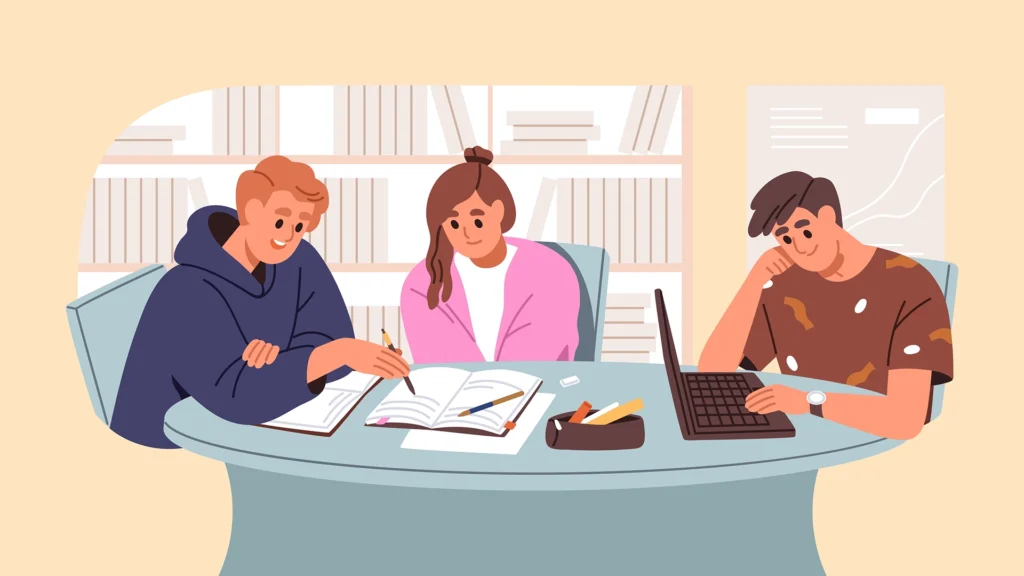
Relationships with other students
Relationships with other students was found to be important predictors of students’ social skills of UEAs, specifically communication skills and groupwork, indicating that peer interactions and collaborative learning experiences are critical for interpersonal skill development.

Workload for Students
In contrast, workload was the least significant predictor of students’ attainment of UEAs, indicating that other pedagogical and relational aspects of learning have a greater impact on student outcomes than the sheer amount of work assigned.
Student well-being
- Student well-being emerged as a fundamental aspect of the university experience, with participants emphasizing the necessity of cultivating a supportive and inclusive academic environment.
- Psychological well-being was identified as key factors that contribute to students’ overall success and engagement.
Student Quotes from the Qualitative Analysis
"In the beginning, the expectation is to simply learn how business and law can be applied together. However, in the past four years, I have learned that there are different ways to fill an expectation, not only through classes, but also through." (M2_Y4)
"I find it less exhausting and less difficult to study since we are supporting each other and there are things that we are all unsure of. After we got more familiar with each other, we would also chat about other topics, such as travelling and nice places for playing and having meals. …… I did not want to go to university in year one as I felt like going to university was only about studying and having lessons. However, I want to go to university now since I can see my university friends, which makes me happy." (M10a_Y2)
"If we are familiar with that teacher, they would also care about our all-round development, the situations we are in, how we are. It feels humanitarian. The teachers focus more on how we are doing rather than on our performances in tasks." (M7a_Y2)
"And at the same time, when we are organizing activity we might also need to think rationally or in a structural way. And I think critical thinking is used in these cases. For , I think the first thing would be problem solving. While . Unlike secondary school where there would be teachers guiding you, it requires us to solve the problems ourselves." (M14a_Y3)