

Detail
Abstract
With recent technological advancements, COIL has become an increasingly popular approach for international exchange in higher education. This approach encourages virtual international collaboration, supports the learning of foreign languages and content, and enhances intercultural awareness through pedagogical principles such as co-developed teaching practices, shared learning outcomes, and deep collaboration. This paper demonstrates how COIL can be utilised to internationalise teacher education through a postgraduate course jointly organised by two universities: The University of Hong Kong (HKU) and Newcastle University (NU) in the UK. It documents the experiences of two cohorts of MA(TESOL) students (2023-24: n=85; 2024-25: n=70) in a core module, English Language Teaching Methodology, offered by both institutions. The COIL initiative aimed to connect university teaching with their future workplaces, broaden the multilingual student-teachers’ range of TESOL practices, strengthen their multicultural competencies, and advance their collaboration skills, ultimately preparing them to be graduates ready for new challenges worldwide. With micro-teaching as the shared focus, HKU and NU student-teachers participated in collaborative lesson planning, material design, peer feedback, video annotation, and joint reflections on real classroom practices through various synchronous and asynchronous activities.
Adopting an action research approach, the teacher-educators sought ways to leverage the student-teachers’ COIL experiences over 12 weeks through a collaborative online annotation platform, Perusall, and six webinars. Data were collected through web-based interactions in spoken and written forms, artefacts (lesson plans and teaching materials) co-created by the HKU and NU student-teachers, video recordings of teaching practices, questionnaires, semi-structured interviews, reflective (video) essays, and observational notes. The findings showed significant pedagogic and personal growth among the student-teachers, despite several challenges. The paper highlights strategies that effectively sharpened their multicultural awareness, promoted professional exchanges and peer learning in the target language, and enhanced their teamwork, communication, and problem-solving skills. Student-teachers also reported increased confidence, improved lesson planning and teaching skills, expanded knowledge of TESOL methodologies, and greater awareness of different teaching styles. Importantly, these gains were reflected in the notable rise in 20 out of 23 2023-24 HKU SLEQ ratings, indicating better achievement of the University Educational Aims. This was further recognised by the 2022/23-2024/25 HKU MA(TESOL) External Examiner as beneficial for their future careers and employability. The paper concludes by exploring how COIL activities can be strategically integrated into the curriculum, combining synchronous and asynchronous methods, to foster learner autonomy and prepare students as more future-ready and globally competent graduates.
About the Speaker(s)

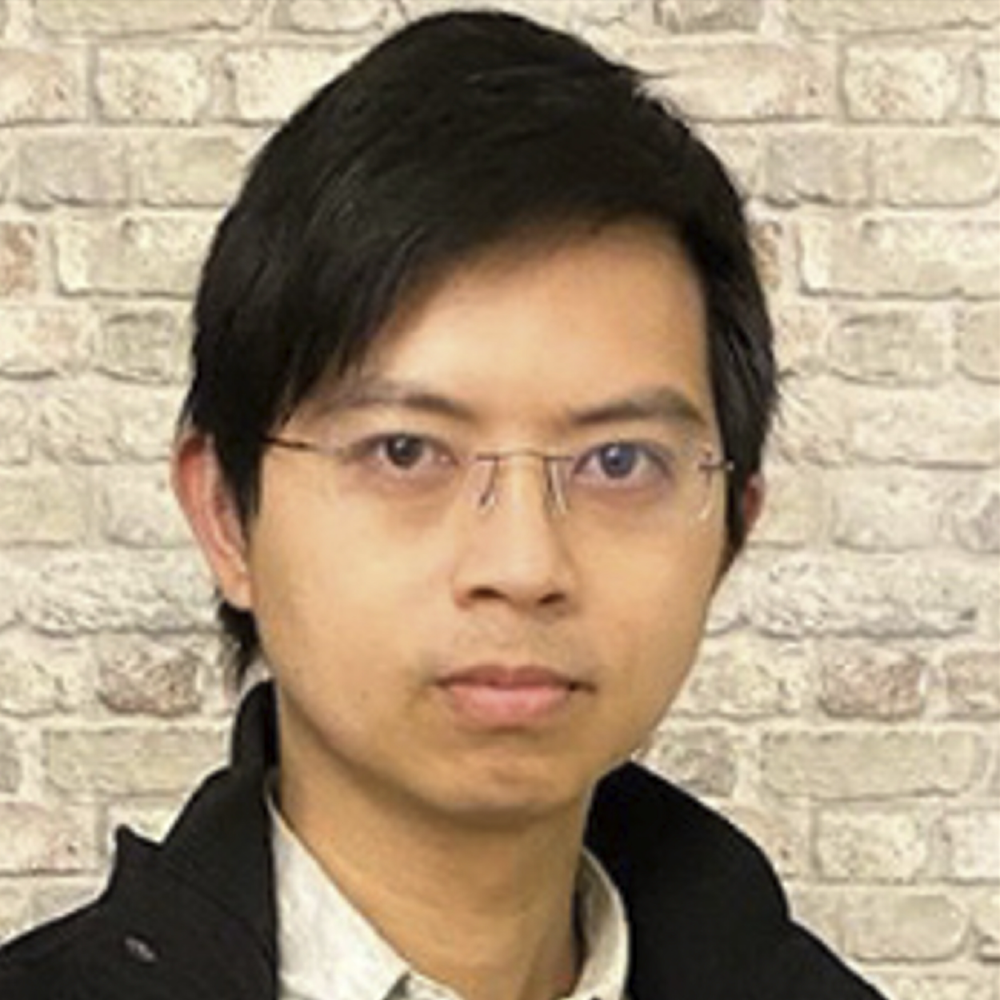
Nicole Judith Tavares (FHEA) is a Senior Lecturer at the Faculty of Education, The University of Hong Kong (HKU). Her expertise is in English language teaching (ELT) methodology, Content and Language Integrated Learning (CLIL), and teacher professional development (TPD). She has received multiple teaching awards, both at Faculty and University levels. Her research interests range from ELT and CLIL to online teaching and learning, technology-enhanced ELT good practices, 21st Century Skills, Collaborative Online International Learning (COIL), and e-learning tools for promoting TPD. Her work has been published in Computers & Education, Australasian Journal of Educational Technology, The Language Learning Journal, International Journal of Bilingual Education and Bilingualism, and RELC Journal, among others.