


Detail
Abstract
Today, most people use large language models like ChatGPT to get answers to questions or get work done for them. While this may increase productivity, it may also prevent younger users from developing crucial intellectual abilities.
In this presentation, we introduce a software product, Motisse, which aims to depart from such practices. Through tailored feedback and support, it ambitions to develop one’s writing skills, so that they can write with pleasure and confidence, whether short stories, a personal diary, letters etc.
Motisse clearly differs from existing software – which addresses either one’s grammar like Grammarly or the structure of long documents like novels, like Scrivener. Although Motisse can help with one’s writing style and ability to organize text content, its innovativeness lies in tackling other more creative aspects of writing: it offers a range of instruments to detect and address clichés, fine-tune conveyed emotions, ‘show rather than tell’, or yet to better anchor a text in a time and place. Further, it can provide suggestions to start stories, letters, poems etc. In all cases, it adapts to who the user is or wishes to be, and to their intended audience.
Importantly, Motisse never rewrites in place of the user but highlights issues and provides (generic enough) suggestions by leveraging the power of the latest large language models. The underlying prompts have been extensively crafted: they integrate relevant linguistic and literary knowledge, as well as precise directions to analyze a wide variety of texts in an in-depth and tailored manner.
Through our presentation, we aim to provide a clear and concrete illustration of how generative AI – more specifically here large language models – can be leveraged to provide long-term learning opportunities and design products which may be of interest both to secondary/university students and to a wider range of people interested in writing.
Note 1: Motisse was developed with a ‘Teaching Development Grant’ from the University of Hong Kong. Note 2: Following this presentation, a hands-on workshop to experiment with the tool will be offered at an upcoming TALIC event.
About the Speaker(s)
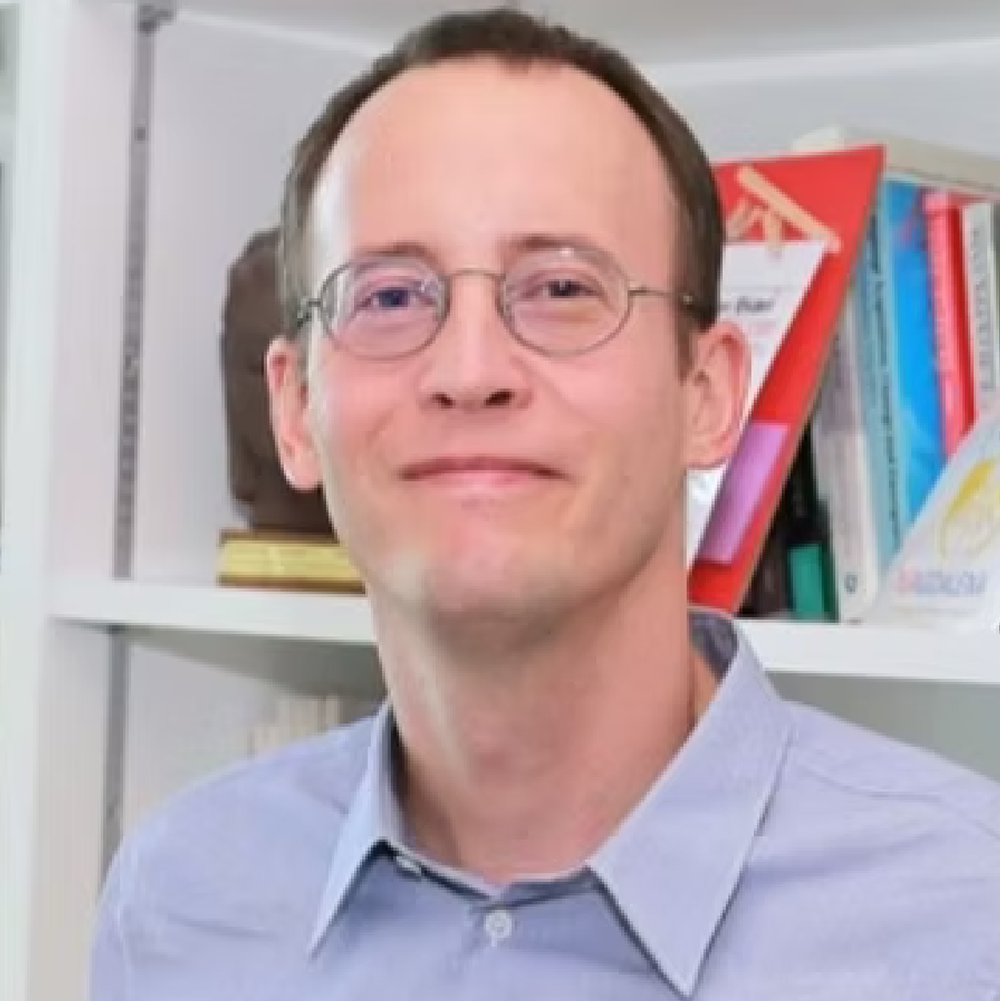
Christophe Coupé is an associate professor in the Department of Linguistics at the University of Hong Kong and was previously a CNRS researcher in France. With an educational background in computer science and cognitive science, he conducts research on language and communication across linguistics, bioacoustics, psychology, and phenomenology, primarily with a combination of data science, machine learning techniques and generative AI. Christophe is committed to passing his enthusiasm for cross-disciplinary work on to students, and was awarded an Outstanding Teacher Award by the University of Hong Kong in 2021. He is involved in designing innovative educative practices and currently works with a small team on developing Motisse, a software designed to nurture one’s confidence and pleasure in writing. Christophe is currently director of the Bachelor of Arts in Humanities and Digital Technologies at HKU.

Ali is a third-year Muslim student from Pakistan in the BA(HDT) programme, focusing in the Linguistics discipline and taking a second major in Computer Science. He has too many passions and too little time to give to them all. You might find him taking pictures, editing reels, crafting up user interfaces, typing away lines upon lines of code, messing around with Notion workspaces, learning a new language, and occasionally cooking some lovely Pakistani food. And when he isn't caught up in one of these things or the other, he'll do some Urdu calligraphy in his notebook to blow off some steam. At Motisse, he is helping to design and develop the platform's interface and has also contributed to the initial product identity and vision. He is excited to see how Motisse takes off and how people use the platform to up their creative writing abilities. Ali is always happy to talk about the project and bounce ideas off anyone who is up for it. He can be reached at syedali@connect.hku.hk.