Harnessing AI for Teaching and Learning Excellence at HKU



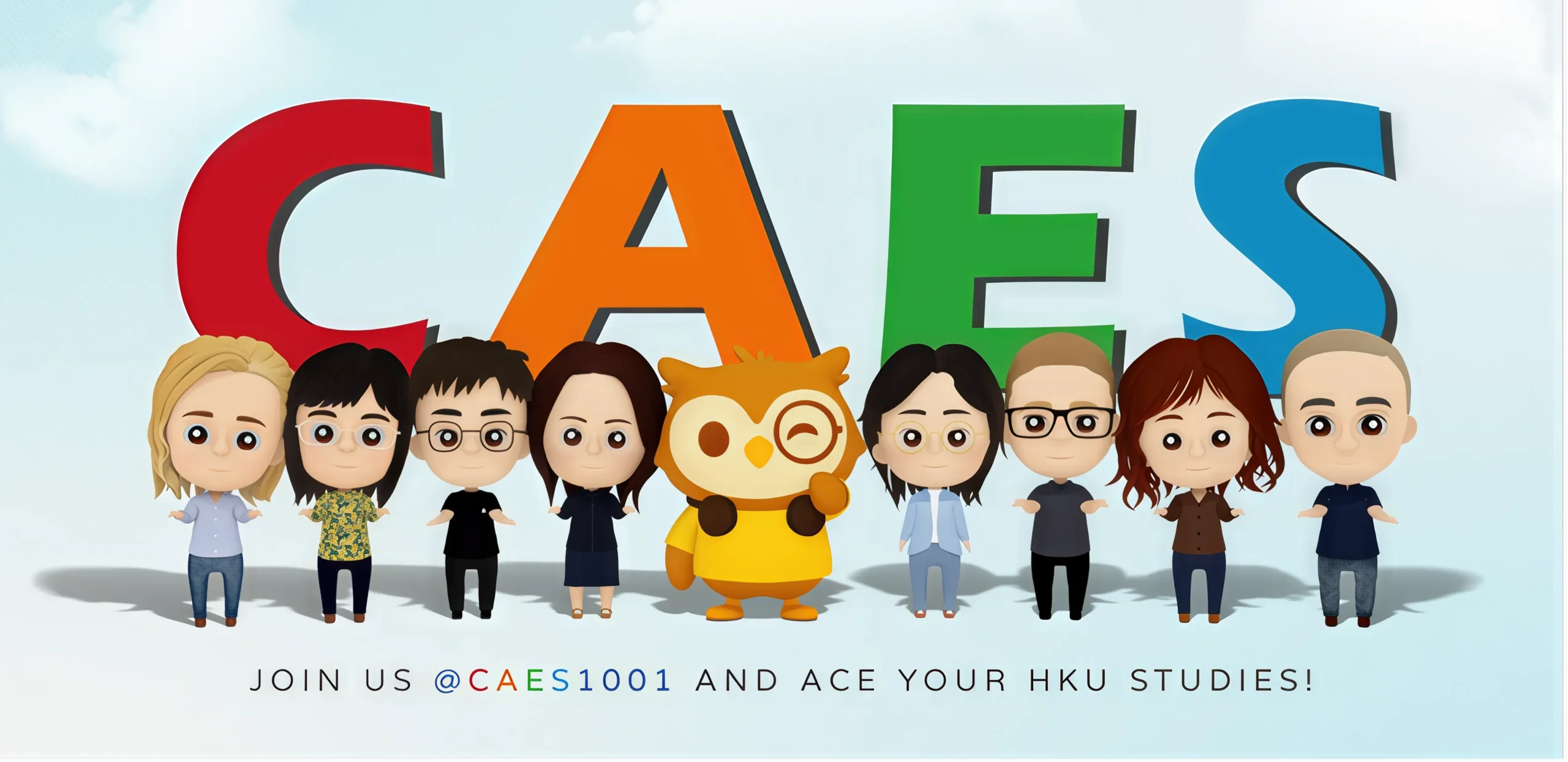
CAES1001, a first-year Academic English course, is working with the University of HongKong Libraries (HKUL) and the Teaching and Learning Innovation Centre (TALIC) to launch a virtual reality (VR) self-learning platform. This innovative project aims to enhance learning for first-year undergraduates by offering engaging and interactive experiences. Through the platform, students can develop essential skills such as writing, speaking, digital, visual, and AI literacy, with resources tailored to HKU’s diverse student community.
The VR platform guides students through six iconic HKU landmarks, each featuring a vital literacy area. At the CAES Office, students explore CAES1001 as a toolkit for developing academic literacy, including needs analysis activities to identify personal learning goals. In the Classroom, they discover AI-powered visual content tools and visit the VR Lab, developed with CLEP, to rehearse presentations and receive instant feedback. The Chi Wah Learning Commons emphasizes responsible AI use through reflective activities on ethical applications. The Examination Hall supports writing literacy with guidance on academic writing and citations. HKU Libraries (HKUL) serve as a virtual resource hub, helping students navigate library facilities and upcoming workshops. Finally, University Street connects core academic skills with interdisciplinary learning, encouraging students to reflect on and integrate their literacies across contexts.
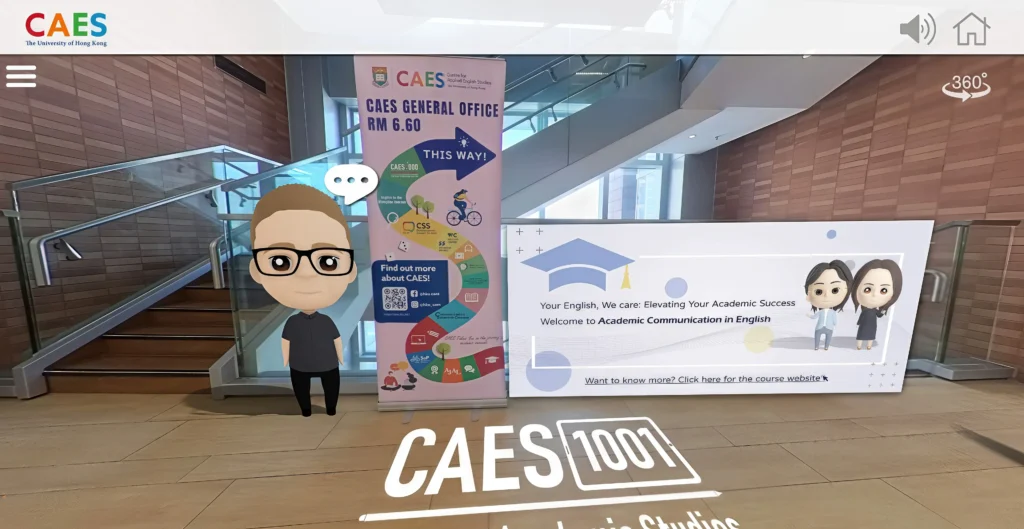
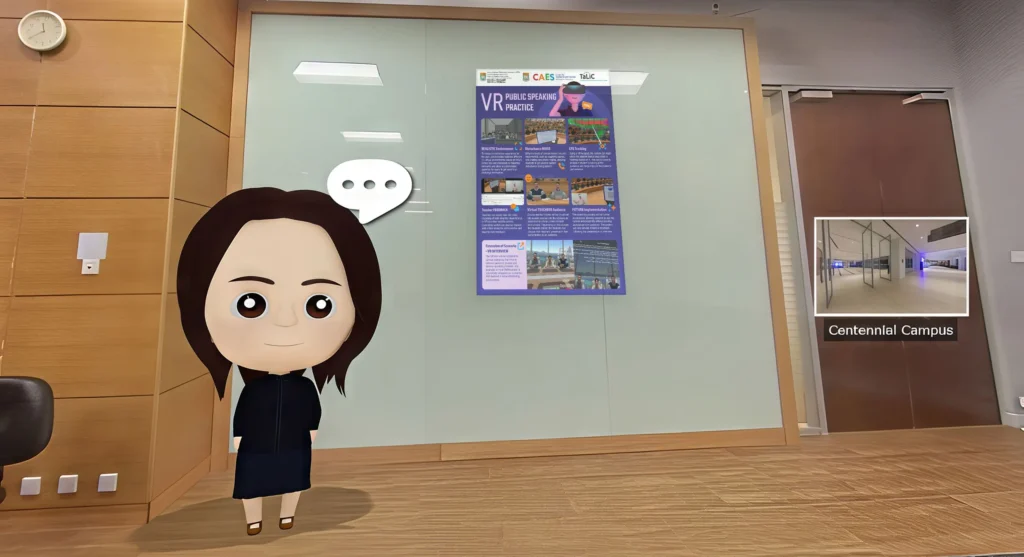
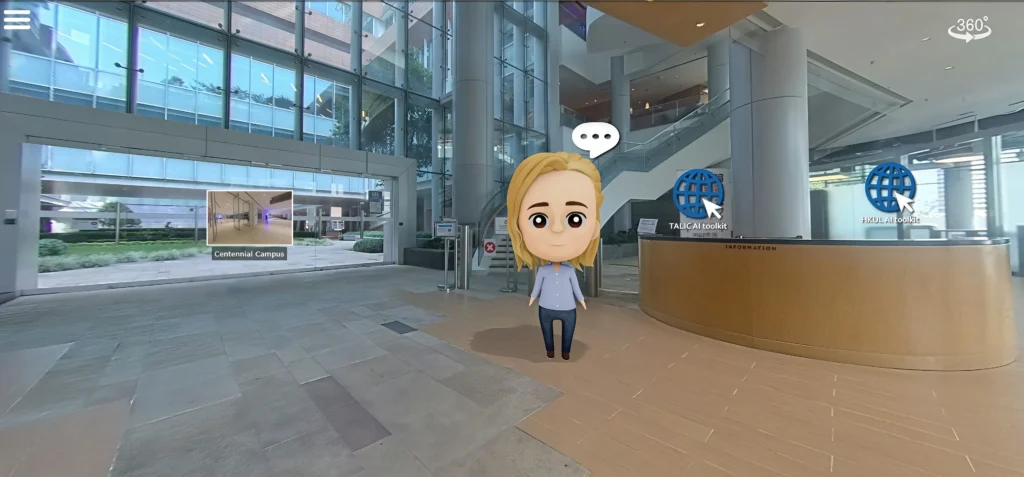
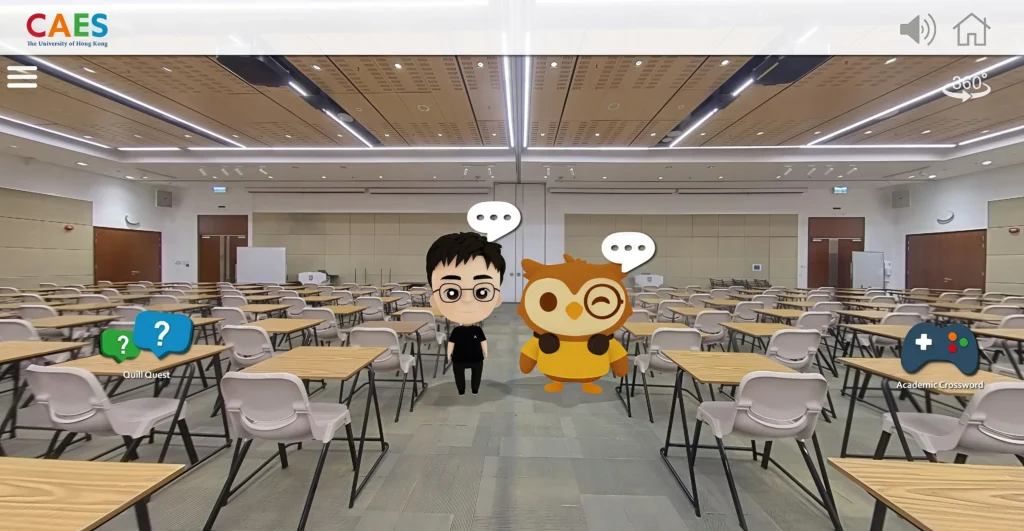
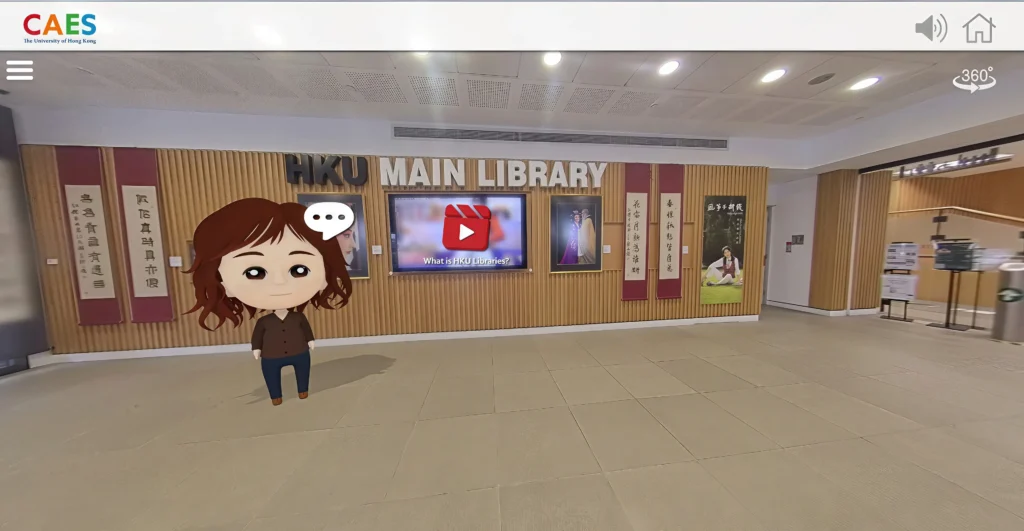
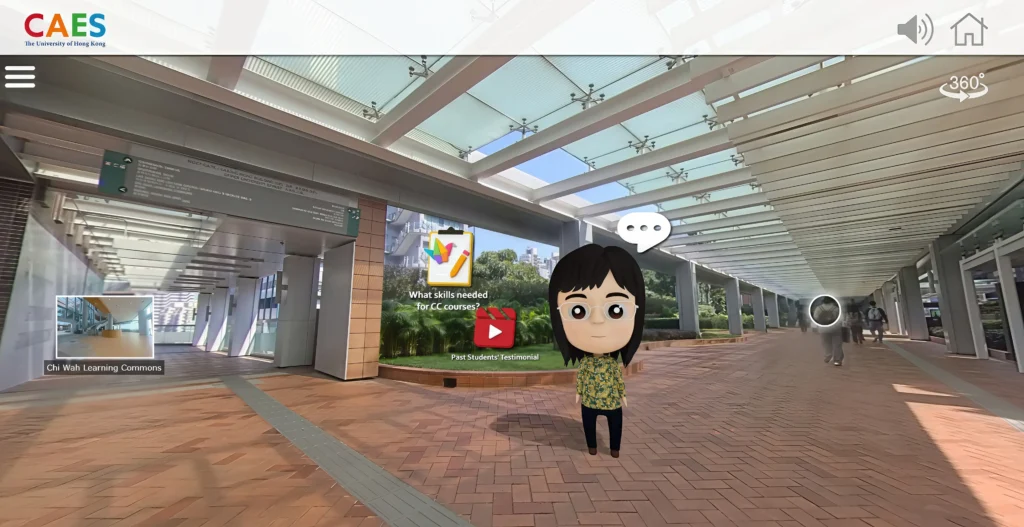
The CAES1001 VR platform is an engaging learning environment featuring interactive quizzes, reflective activities, and impactful learning videos. It seamlessly integrates comprehensive resources from CAES, HKUL and TALIC, giving students access to the latest materials and support. This platform exemplifies HKU’s commitment to preparing students for academic excellence in a rapidly changing world. By merging digital innovation with foundational literacy, this collaborative initiative ushers in a new era in higher education, empowering first-year students to thrive from the start.
Programme Coordinator of
CAES1001 Academic Communication in English (ACE)
Centre for Applied English Studies (CAES)

Date : 1 Dec 2025 (Mon)
Time : 1:00pm – 2:00pm
Venue : Learning Lab (RRS 321, 3/F, Run Run Shaw Building, Main Campus, HKU)
Speaker : Ms. Susanne Elisabeth Trumpf, Senior Lecturer, Division of Landscape Architecture, HKU
Facilitator : Professor Luke Fryer, Assistant Director, TALIC, HKU

Ms. Susanne Elisabeth Trumpf is a Senior Lecturer in the Division of Landscape Architecture at the University of Hong Kong, where she teaches design studios, landscape media and research seminars. Susanne’s teaching and research have adopted an interdisciplinary approach to address urban-environmental concerns, with courses reflecting a commitment to landscape and materials through an emphasis on experiential, hands-on learning. She has co-founded TAL-L, a database that focuses on landscape materials and material ecologies.
Before joining HKU, Susanne has taught at Hong Kong Polytechnic University, the AA Visiting School (Hong Kong) and Hong Kong Design Institute. She has practiced in Berlin and Hong Kong and is founder of indialogue, a consultancy focused on conversations and experimentations in architectural design and practice. Susanne graduated from TU Berlin, Germany (BArch) and TU Delft, Netherlands (MArch) in Architecture, Urbanism and Building Sciences.

Date : 28 Nov 2025 (Fri)
Time : 2:00pm – 3:30pm
Venue : Learning Lab (RRS321, 3/F, Run Run Shaw Building, Main Campus, HKU)
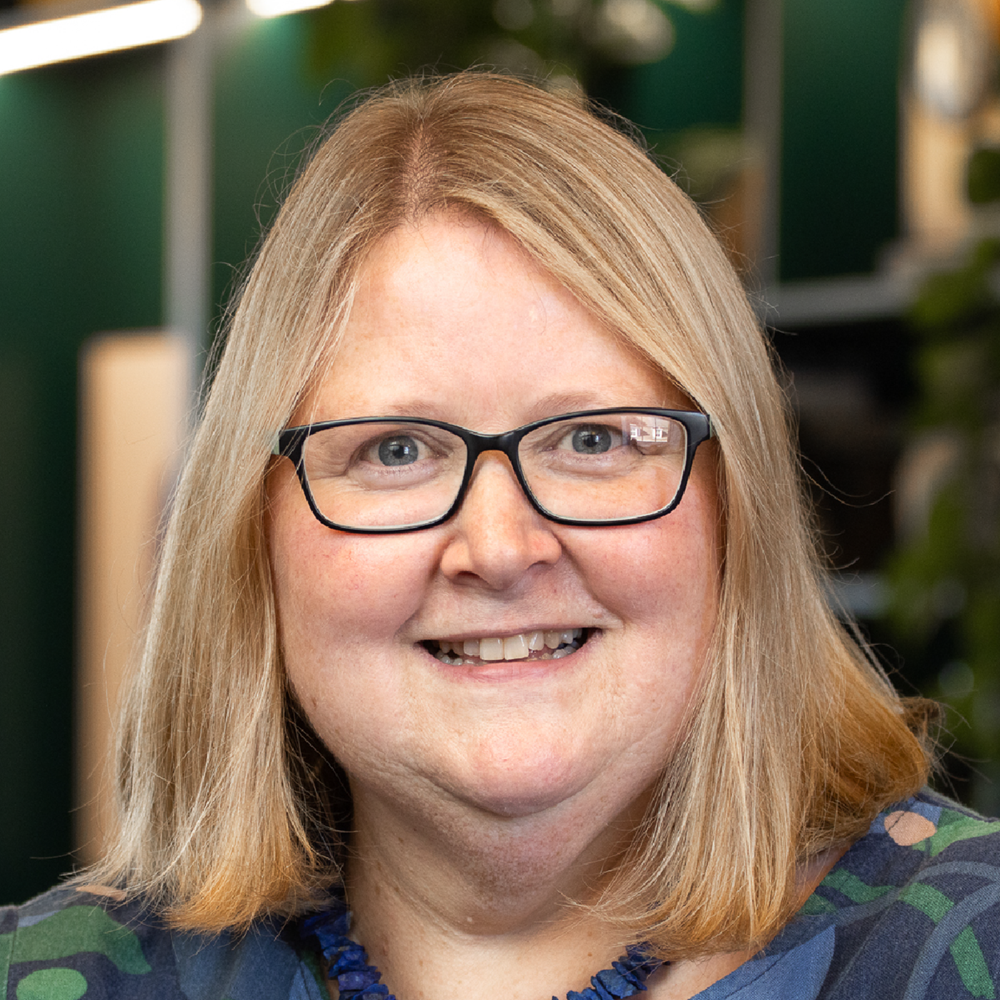
Speaker : Prof. Catherine Bovill, Professor of Student Engagement in Higher Education, Institute for Academic Development, University of Edinburgh
Facilitator : Dr. Jannie Roed, Director, TALIC, HKU
Across the higher education sector, there is increasing recognition of the importance of involving students in curriculum design. There are many different examples of how students and staff are co-creating curriculum, and in this talk I will present a range of these examples and the benefits that can result from co-creation, and the ways in which these examples might be adapted in different settings. I will explore how we define curriculum and the influence this has on what we are inviting students to co-create. I will also question how much agency students really have in the curriculum, as well as looking at the key role of teachers in enacting curriculum through the relationships they build with students in the classroom.
You will have the opportunity to learn more about the different forms of co-creation colleagues are adopting in different universities, and to discuss the appropriateness of different approaches in your context. There will also be the opportunity to share any existing examples from your practice, to consider and discuss ideas for co-creation in your own practice, and to ask questions to help you take the next steps in enacting co-creation.
Teaching and Learning Innovation Centre

Date : 20 Nov 2025 (Thu)
Time : 11:45am – 1:45pm
Venue : Learning Lab (RRS321, 3/F, Run Run Shaw Building, Main Campus, HKU)
Presenter : Prof. Lillian Luk, Assistant Professor, TALIC, HKU
Technology Consultant : Dr. Carson Hung, Lecturer / E-learning Technologist, TALIC, HKU
During the first hour of the workshop, participants will be guided through the application form and engage in brainstorming activities. The second hour will operate as a walk-in clinic, where colleagues working on their applications can drop by for personalized advice and feedback.
The TDG application deadline for the December 2025 round is Tuesday, December 23, 2025. If you have questions about eligibility, expectations for successful proposals, etc. or if you’re seeking collaborators, this workshop is an ideal opportunity to clarify your ideas, refine your application, and connect with fellow educators passionate about advancing teaching and learning innovation.
Teaching and Learning Innovation Centre

Date : 7 Nov (Fri), 12 Nov (Wed), 28 Nov (Fri) 2025
Time :
Venue : Zoom
Collaborative Online International Learning (COIL) is an innovative and cost-effective pedagogical approach that connects teachers and students from varied geographical regions and cultural backgrounds through virtual exchanges. COIL is useful in developing students’ intercultural competence, global citizenship, communication and digital skills. However, many educators face challenges in identifying teaching partners, designing COIL curricula, and managing time differences. In view of the challenges, Teaching and Learning Innovation Centre (TALIC) from The University of Hong Kong, Centre for Teaching and Learning (CTL) from Sungkyunkwan University, and Nanyang Technological University will co-organise a series of COIL events in November 2025, with the aim of supporting teacher professional development.
The seminar series consists of informative talks on COIL pedagogy and AI speech translation, a matchmaking initiative to facilitate the search for collaborators, and two sharing sessions of effective COIL practices in English literature, cultural studies, early childhood education, and nursing. With esteemed speakers from The University of Hong Kong, Sungkyunkwan University, Nanyang Technological University, and The Education University of Hong Kong, the series will enlighten participants about COIL course development and productive use of AI technologies for multilingual interaction.
In view of the challenges of identifying a teaching partner for COIL, TALIC, CTL, and Nanyang Technological University leverage Padlet to facilitate partner search. If you are looking for a collaborator to do COIL, please create a post on the Padlet and share your course-related information and contact details. You could find the details of this initiative from the introductory video.
Date : 7 Nov 2025 (Fri)
Time :
Venue : Zoom
Speakers :
This webinar session explores how cross-border collaboration in higher education can be enhanced through innovative pedagogy and emerging technologies. The first presentation by Dr. Hoo Hui Teng will introduce the value and challenges of COIL rollout in higher education via a scoping review. Dr. Hoo will highlight pedagogical considerations of designing and implementing meaningful collaborative online activities.
The second presentation by Dr. Kyuhong Shim will introduce AI speech translation and its implications for education. He will outline core challenges such as simultaneous translation, low-resource languages, and code-switching, while also showcasing widely used AI-powered tools like Google Live Translate and MS Teams Live Captioning. Despite their potential, these tools still face issues of accuracy, latency, and emotional nuance. Looking ahead, he will discuss how multimodal LLMs may open new possibilities for multilingual interaction in higher education.

Dr. Hoo Hui Teng is a Senior Lecturer at Nanyang Business School, Nanyang Technological University. She leads the Business School’s Assurance of Learning Innovation which looks into pedagogies, assessments and feedback for effectual teaching and learning. As a multiple teaching award educator, Dr. Hoo is a recipient of several education grants, including two NTU COIL grants in 2022 and 2024.
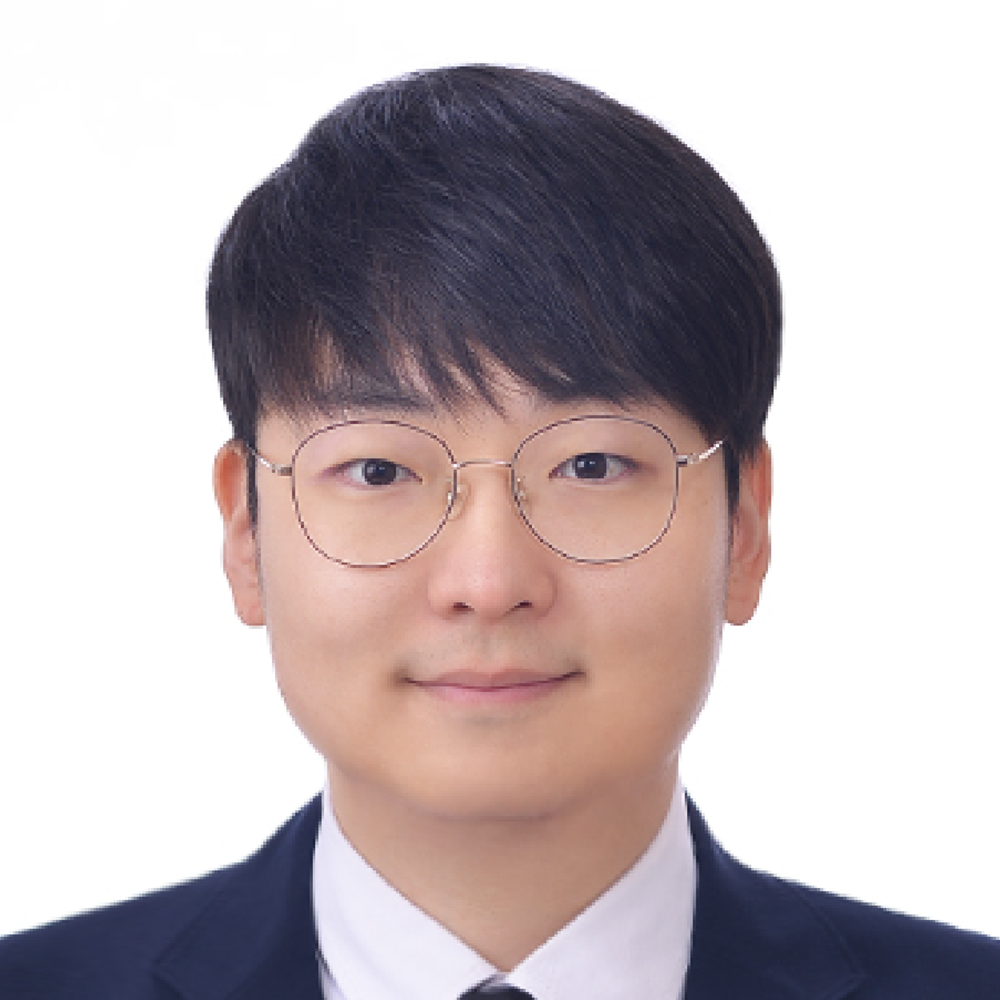
Dr. Kyuhong Shim is an Assistant Professor in the Department of Computer Science and Engineering at Sungkyunkwan University. His research focuses on AI-based speech and language processing, extending his Ph.D. work on efficient speech recognition to broader applications such as translation and multilingual support. Before joining SKKU, he worked at Qualcomm Korea where he developed efficient speech and language models for mobile and multilingual applications. His current work emphasises building more natural and human-like speech interfaces by leveraging LLMs.
Date : 12 Nov 2025 (Wed)
Time :
Venue : Zoom
Speakers :
Following the workshops on November 7, we invite two experienced COIL teachers to share their practices. In the first sharing, Dr. Ann Ang will talk about the teaching and learning approaches explored in the COIL grant-funded module Literatures of Southeast Asia, co-taught with Universiti Brunei Darussalam. The three-part structure (hybrid lecture, breakout room discussions and an in-person session) allowed students to co-construct interpretations of literary texts from the region, while critiquing assumptions and sharing locational knowledge.
In the second sharing, Dr. Winnie Yee will introduce her COIL course with the Faculty of Humanities at Utrecht University (The Netherlands) in the summer of 2023. Designed as a transdisciplinary course, it aims to bring together the Master students from sciences, social sciences, and humanities who share an interest in creatively rethinking the Earth and its inhabitants, particularly urban deltas as critical zones. She will also reflect on the advantages of the COIL initiative for student learning and discuss the challenges involved in coordinating and sustaining the course.
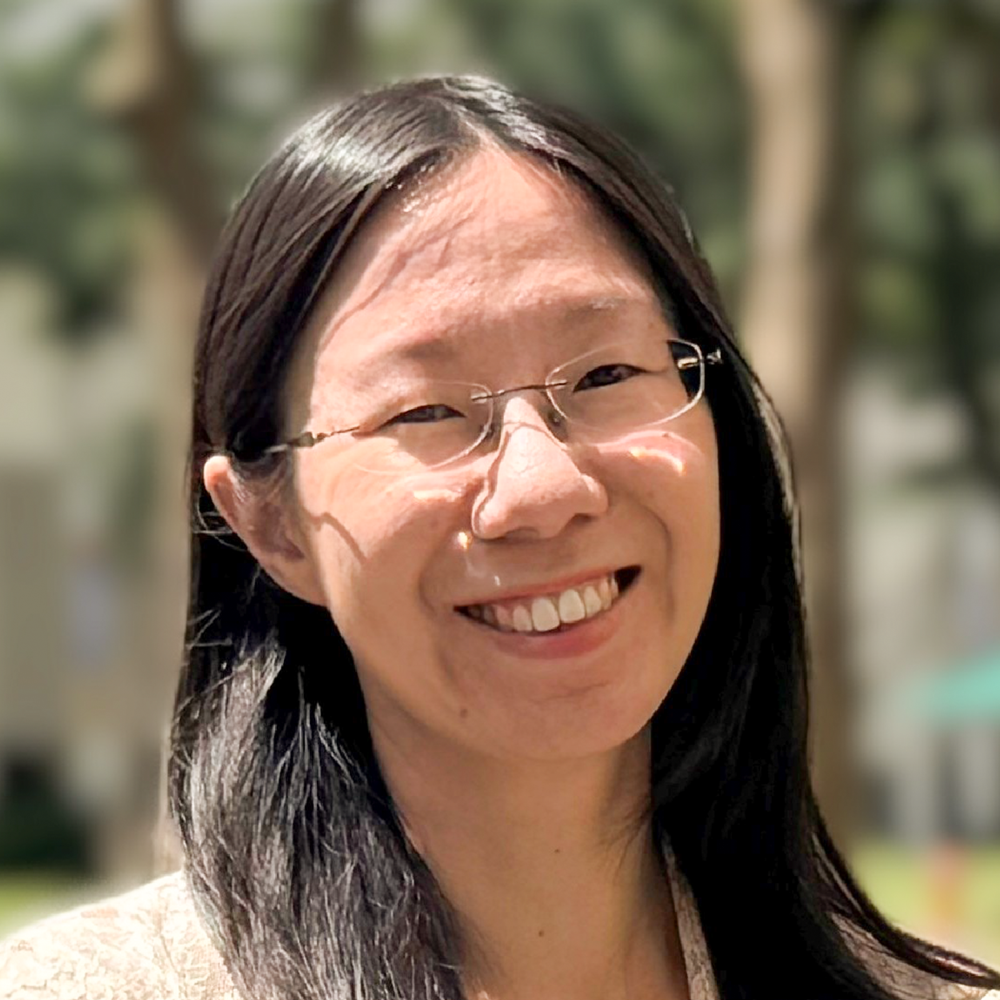
Dr. Ann Ang is an Assistant Professor of English Literature at the National Institute of Education, Nanyang Technological University. Her current research interests include comparative methods for anglophone Southeast Asian literatures, Singapore and Malaysian poetry, and ecocritical approaches to regional writing. Dr. Ang’s work is published in Kritika Kultura, The Journal of Postcolonial Writing, Interventions and Modernism / Modernity. She is also a writer of poetry and fiction, and has edited several literary anthologies.

Dr. Winnie L. M. Yee is a Senior Lecturer in Comparative Literature and the programme coordinator for the MA in Literary and Cultural Studies at the University of Hong Kong. Her research interests include ecocriticism, contemporary Chinese literature and film, Hong Kong culture, and independent cinema. She is currently a visiting research fellow at the Centre for Cross-Cultural Studies, Kyung Hee University (South Korea). She has previously been a fellow at the Rachel Carson Centre for Environment and Society at Ludwig-Maximilian University, Munich. She has published essays in journals such as Interventions, Cultural Studies, CLCWeb, Asian Cinema, PRISM, and other publications.
Date : 28 Nov 2025 (Fri)
Time :
Venue : Zoom
Speakers :
As the final event of this series, we examine COIL cases from early childhood education and nursing. In the first sharing, Dr. Anika Saxena will share her COIL collaboration with a Mexican institution, highlighting effective strategies, best practices for implementing COIL and practical solutions for overcoming common challenges. Participants will gain insights into enhancing global collaboration and fostering meaningful educational experiences.
In the second sharing, Dr. Polly Chan will present a technology-enhanced interprofessional e-learning initiative, designed to foster cross-cultural collaboration and engagement among healthcare students in Hong Kong, Mainland China, South Korea, and Thailand. Through asynchronous gamified modules and synchronous Virtual Reality 360 simulations, the students from different geographical regions worked in diverse teams to explore case-based scenarios and engage in collaborative group work.

Dr. Anika Saxena is a Lecturer in the Department of Early Childhood Education (ECE) at the Education University of Hong Kong. Her teaching areas include early childhood teacher education, leadership, curriculum, technology integration and computational thinking in early childhood education. Trained as a science, computer science, and ECE teacher, Dr. Saxena worked in ECE education in Hong Kong for many years, holding several senior leadership positions in international and local schools. This experience gained a broad understanding of ECE curriculum, teacher training, leadership, and technology integration in education. Dr. Saxena’s research interests include early childhood teacher education, technology integration in education, flipped classrooms, artificial intelligence & computational thinking in education, and the creative aspects of teaching and learning.
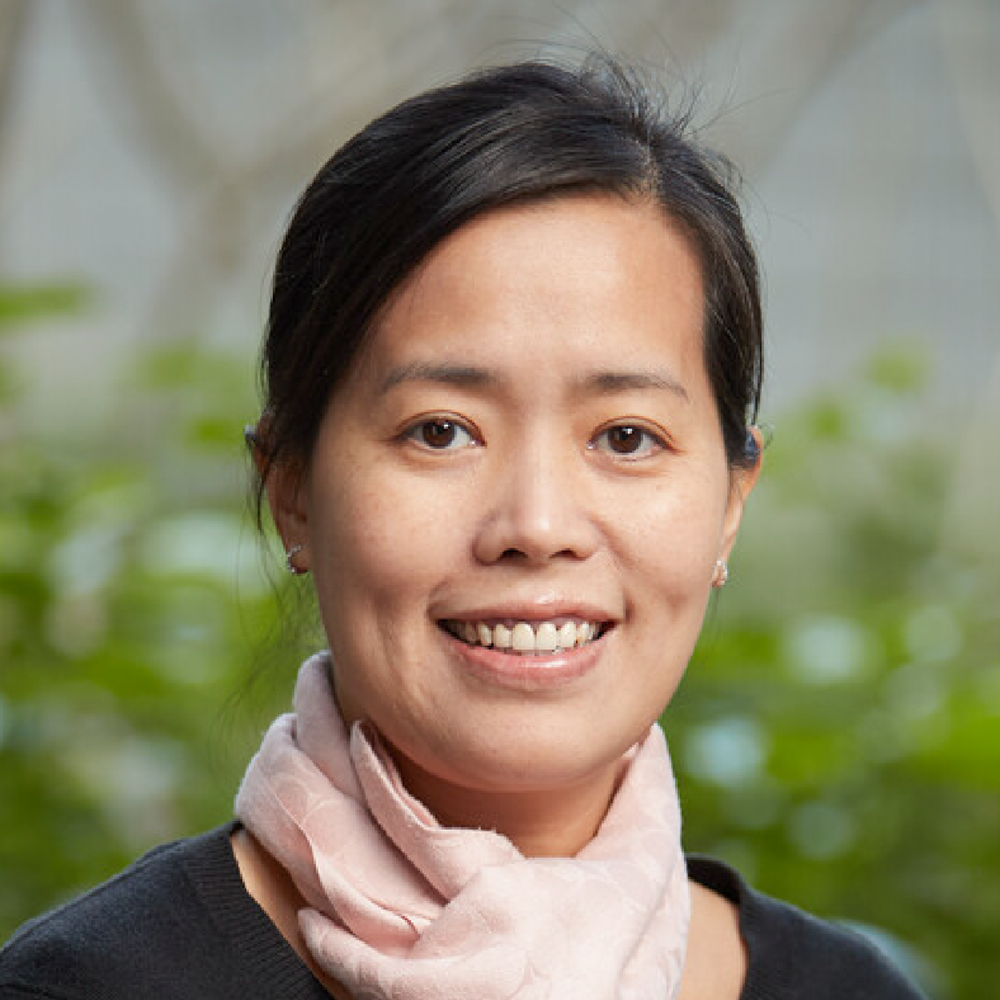
Dr. Polly Siu Ling Chan is a Principal Lecturer in the School of Nursing at The University of Hong Kong. She is experienced in curriculum review, design and development. She is interested in educational research that focuses on internationalization, innovation and interdisciplinarity. She has received numerous related educational grants as the Principal Investigators.
In 2023, Dr. Chan has been awarded the Faculty Teaching Medal by The Faculty of Medicine, and the Teaching Innovation Award (Team Award) under the Teaching Excellence Award Scheme, The University of Hong Kong.
Nanyang Technological University

Date : 7 Nov 2025 (Fri)
Time : 12:00pm – 1:00pm
Venue : Learning Lab (RRS 321, 3/F, Run Run Shaw Building, Main Campus, HKU)
Speakers :
Facilitator : Prof. Lily Zeng, Assistant Professor, TALIC
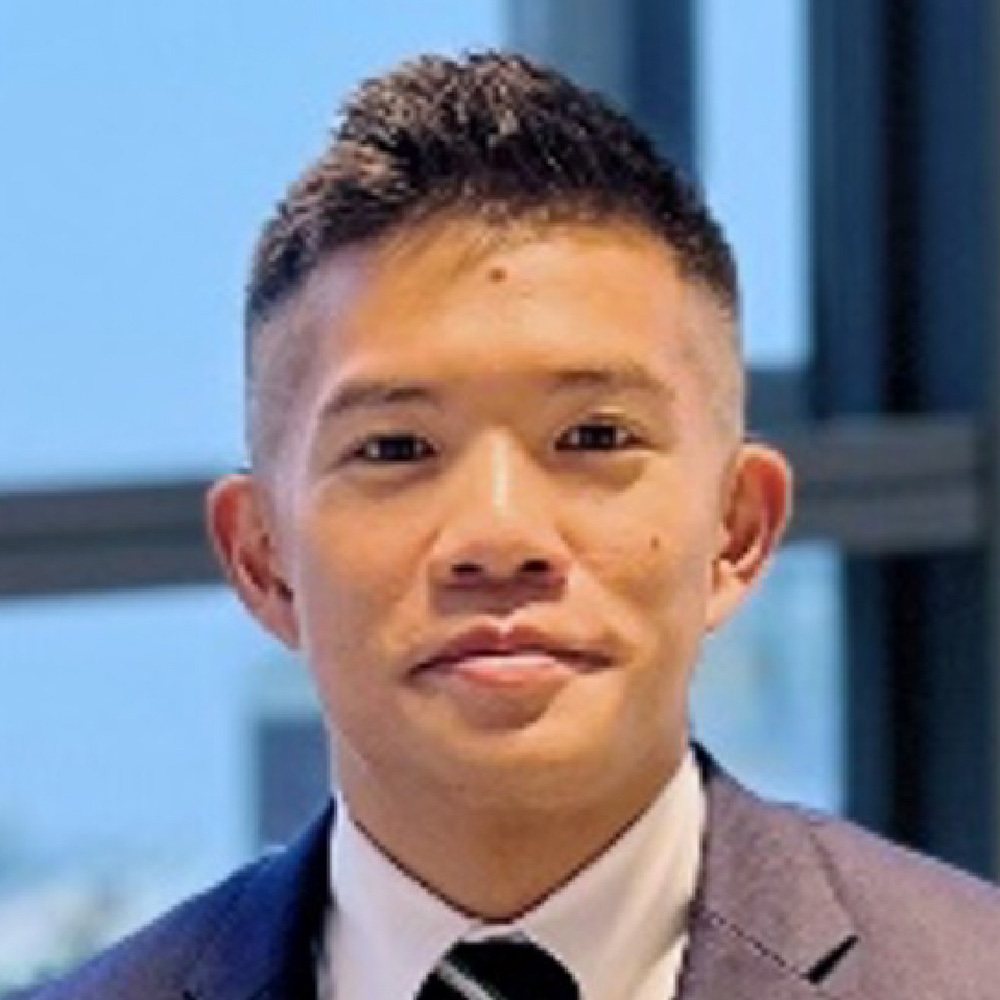
Professor Edmond Choi, PhD, RN, FHEA, FAAN, is a registered nurse and Associated Professor in the School of Nursing at The University of Hong Kong. His research primarily concentrates on sexual health, with an emphasis on sexual minorities, adolescents and young adults. He currently serves as Co‑Chair of the Teaching & Learning Committee (Undergraduate Education) and Co‑Director of the Bachelor of Nursing (Full‑Time) programme and the Advanced Leadership Track. Previously, he directed the Master of Science in Nursing programme (entry‑to‑practice) and the Doctor of Nursing programme. To foster global citizenship among nursing students, he has developed experiential learning initiatives across Africa and Asia. In 2020, he received the HKU Early Career Teaching Award and the Faculty Teaching Medal in recognition of his contributions to teaching and learning.
Professor Choi has a distinguished publication record underpinned by a high field‑weighted citation impact (FWCI). For instance, his first‑author articles published between 2020 and 2025 (articles only; excluding self‑citations) have an FWCI of 3.62 (SciVal, 16 August 2025), indicating that papers he led have been cited 262% more than the global average. He was listed among the top 2% of the world’s most‑cited scientists in 2021, 2022, 2023 and 2024 by Stanford University. He has authored more than 150 articles in leading international, peer‑reviewed journals in nursing, medicine, sexual health, and digital health.
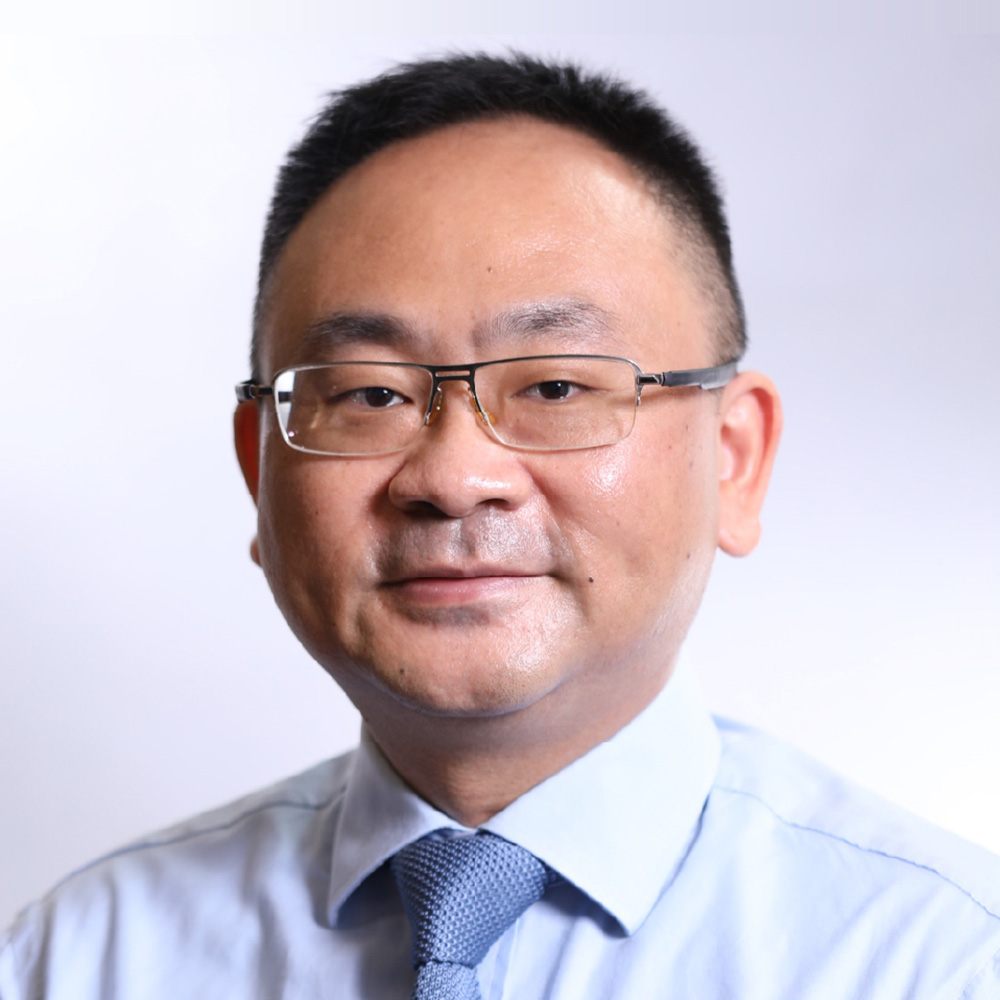
Dr. H.H. Cheung obtained his B.Eng., M.Phil., and Ph.D. degrees at the University of Hong Kong. Prior to joining the University of Hong Kong, he has worked in manufacturing and IT industries as an RFID consultant for a number of years. He has gained substantial experiences in developing and managing RFID-based solutions, and the provision of consultancy services to implement RFID applications to various industries/enterprises. Dr. Cheung has also participated in a number of industrial application projects of RFID and IoT technologies, including RFID-based systems for product anti-counterfeiting, food processing management, manufacturing and logistics management of a global printing enterprise, governmental project for inventory management, and baggage management of a major international airport.
His research interests include CAD/CAM, Layered Manufacturing (3D Printing), Virtual Prototyping and Virtual Manufacturing, Product Development, E-commerce, RFID, NFC and IoT applications.

Professor Fraide Ganotice is currently an Associate Professor and the Program Director of the Interprofessional Education and Collaborative Practice (IPECP) at the Bau Institute of Medical and Health Sciences Education, Li Ka Shing Faculty of Medicine, University of Hong Kong. His training background is in educational psychology, measurement and evaluation, and group processes in a large-scale multi-institutional collaboration in Medical Education.
Professor Ganotice’s research focuses on examining individual- and group- level variables that explain IPE outcomes among students, and the use of technology to facilitate student engagement, collaboration, and achievement. His research aims to tear down educational silos to achieve optimal patient-centered care. He is committed to contributing to science and scholarship of medical education by untangling important instructional, motivational, and psychological constructs that underpin the success of IPE.

Date : 22 Oct 2025 (Wed) and more
Time : 12:30pm – 1:45pm
Venue : Learning Lab (RRS321, 3/F, Run Run Shaw Building, Main Campus, HKU)
Date : 22 Oct 2025 (Wed)
Time : 12:30pm – 1:45pm (HKT)
Venue : Learning Lab (RRS 321 Run Run Shaw Building, Main Campus, HKU)
Speakers :
Date : 5 Nov 2025 (Wed)
Time : 12:30pm – 1:45pm (HKT)
Venue : Learning Lab (RRS 321 Run Run Shaw Building, Main Campus, HKU)
Speakers :
Date : 24 Nov 2025 (Mon)
Time : 12:30pm – 1:30pm (HKT)
Venue : Learning Lab (RRS 321 Run Run Shaw Building, Main Campus, HKU)
Speakers :
Teaching and Learning Innovation Centre

Date & Time :
Venue : LG1 – CYPP2, Chong Yuet Ming Physics Building, Main Campus, HKU
Speaker : Mr. Keith Li, Chairman of the Hong Kong Wireless Technology Industry Association (WTIA)
HKU teachers and staff are invited to an exclusive Reading Week workshop led by Mr. Keith Li—renowned AI expert, acclaimed GenAI instructor, and Chairman of the Hong Kong Wireless Technology Industry Association (WTIA). Drawing on his many invited talks across universities in Hong Kong, Keith will share practical, classroom-ready strategies, tools, and case studies to help you confidently integrate AI into your teaching and tailor it to your specific context.
Step into the world of AI, expand your EdTech toolkit, and explore the latest in educational innovation. Join us to reimagine learning, elevate student engagement, and spark fresh ideas in your classroom.

Teaching and Learning Innovation Centre
Teaching and Learning Innovation Centre (TALIC)
We firmly believe that the internet should be available and accessible to anyone, and are committed to providing a website that is accessible to the widest possible audience, regardless of circumstance and ability.
To fulfill this, we aim to adhere as strictly as possible to the World Wide Web Consortium’s (W3C) Web Content Accessibility Guidelines 2.1 (WCAG 2.1) at the AA level. These guidelines explain how to make web content accessible to people with a wide array of disabilities. Complying with those guidelines helps us ensure that the website is accessible to all people: blind people, people with motor impairments, visual impairment, cognitive disabilities, and more.
This website utilizes various technologies that are meant to make it as accessible as possible at all times. We utilize an accessibility interface that allows persons with specific disabilities to adjust the website’s UI (user interface) and design it to their personal needs.
Additionally, the website utilizes an AI-based application that runs in the background and optimizes its accessibility level constantly. This application remediates the website’s HTML, adapts Its functionality and behavior for screen-readers used by the blind users, and for keyboard functions used by individuals with motor impairments.
If you’ve found a malfunction or have ideas for improvement, we’ll be happy to hear from you. You can reach out to the website’s operators by using the following email
Our website implements the ARIA attributes (Accessible Rich Internet Applications) technique, alongside various different behavioral changes, to ensure blind users visiting with screen-readers are able to read, comprehend, and enjoy the website’s functions. As soon as a user with a screen-reader enters your site, they immediately receive a prompt to enter the Screen-Reader Profile so they can browse and operate your site effectively. Here’s how our website covers some of the most important screen-reader requirements, alongside console screenshots of code examples:
Screen-reader optimization: we run a background process that learns the website’s components from top to bottom, to ensure ongoing compliance even when updating the website. In this process, we provide screen-readers with meaningful data using the ARIA set of attributes. For example, we provide accurate form labels; descriptions for actionable icons (social media icons, search icons, cart icons, etc.); validation guidance for form inputs; element roles such as buttons, menus, modal dialogues (popups), and others. Additionally, the background process scans all the website’s images and provides an accurate and meaningful image-object-recognition-based description as an ALT (alternate text) tag for images that are not described. It will also extract texts that are embedded within the image, using an OCR (optical character recognition) technology. To turn on screen-reader adjustments at any time, users need only to press the Alt+1 keyboard combination. Screen-reader users also get automatic announcements to turn the Screen-reader mode on as soon as they enter the website.
These adjustments are compatible with all popular screen readers, including JAWS and NVDA.
Keyboard navigation optimization: The background process also adjusts the website’s HTML, and adds various behaviors using JavaScript code to make the website operable by the keyboard. This includes the ability to navigate the website using the Tab and Shift+Tab keys, operate dropdowns with the arrow keys, close them with Esc, trigger buttons and links using the Enter key, navigate between radio and checkbox elements using the arrow keys, and fill them in with the Spacebar or Enter key.Additionally, keyboard users will find quick-navigation and content-skip menus, available at any time by clicking Alt+1, or as the first elements of the site while navigating with the keyboard. The background process also handles triggered popups by moving the keyboard focus towards them as soon as they appear, and not allow the focus drift outside it.
Users can also use shortcuts such as “M” (menus), “H” (headings), “F” (forms), “B” (buttons), and “G” (graphics) to jump to specific elements.
We aim to support the widest array of browsers and assistive technologies as possible, so our users can choose the best fitting tools for them, with as few limitations as possible. Therefore, we have worked very hard to be able to support all major systems that comprise over 95% of the user market share including Google Chrome, Mozilla Firefox, Apple Safari, Opera and Microsoft Edge, JAWS and NVDA (screen readers).
Despite our very best efforts to allow anybody to adjust the website to their needs. There may still be pages or sections that are not fully accessible, are in the process of becoming accessible, or are lacking an adequate technological solution to make them accessible. Still, we are continually improving our accessibility, adding, updating and improving its options and features, and developing and adopting new technologies. All this is meant to reach the optimal level of accessibility, following technological advancements. For any assistance, please reach out to